

Gold jewellery worth more than scrap exists, but most pieces don’t qualify. Designer names like Cartier command premiums, while mass-market jewellery sells for melt value only.
Key Takeaways:
• Designer pieces from Cartier, Tiffany & Co., and Van Cleef typically sell for 40-60% above gold melt value
• Antique jewellery over 100 years old often commands 25-150% premiums depending on craftsmanship and provenance
• Gold buyers take 15-35% margins on scrap gold, meaning you lose £150-£350 per £1,000 of gold value
What Actually Determines Above-Scrap Value?
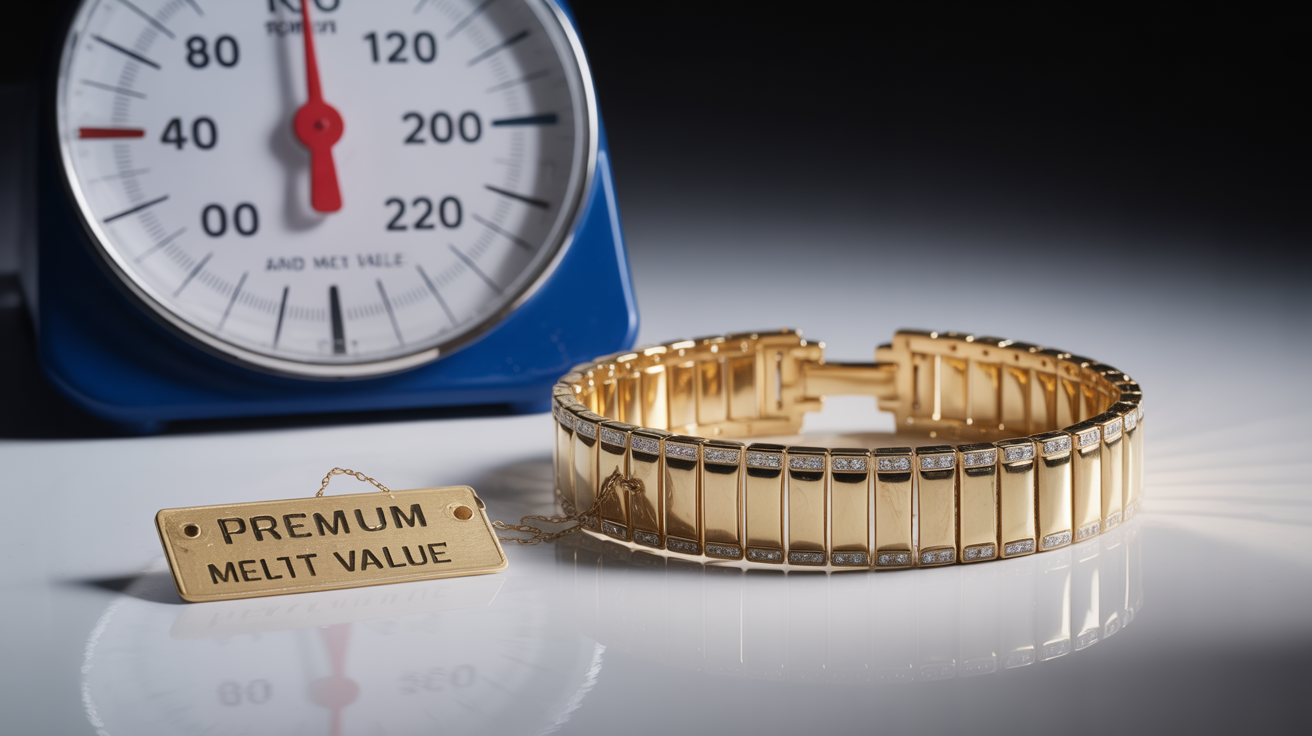
Above-scrap jewellery value is the premium collectors pay beyond a piece’s gold melt worth. This means your 18ct gold bracelet might sell for £800 when its gold content is only worth £500.
The difference between collectible vs commodity gold lies in five factors. Brand recognition tops the list – Cartier, Tiffany & Co., Van Cleef & Arpels, and Bulgari pieces command premiums because collectors trust these names. Age matters for pieces over 100 years old, particularly Victorian and Edwardian items with period-specific design features.
Craftsmanship quality separates hand-finished pieces from machine-made jewellery. Historical significance adds value when pieces connect to important events or periods. Condition affects pricing – damaged designer pieces lose their premium faster than their gold content value.
Items need minimum £500 scrap value to justify specialist appraisal costs. Below this threshold, appraisal fees eat into any potential premium. When you sell scrap gold near me, most high street buyers focus on weight and purity only. They ignore design elements that might add value.
Designer and antique premiums depend on proving authenticity. Without original boxes, certificates, or clear hallmarks, even genuine pieces often sell for scrap value. The burden of proof falls on the seller to demonstrate why their piece deserves above-melt pricing.
How Much Do Gold Buyers Actually Take as Profit?

Typical buyer margins range from 15% to 35% of gold melt value, covering their scrap gold refining costs and profit. Gold buyer verification shows wide variation in how much different buyer types keep.
| Buyer Type | Margin Range | Typical Payout | Processing Time |
|---|---|---|---|
| High Street Pawnshops | 30-35% | 65-70% of melt | Same day |
| Online Gold Specialists | 15-25% | 75-85% of melt | 3-5 days |
| Precious Metal Refineries | 10-20% | 80-90% of melt | 7-14 days |
| Local Jewellers | 25-30% | 70-75% of melt | 1-2 days |
Refineries offer the best payouts because they handle the melting process themselves. Their margins only cover testing, administration, and profit. Pawnshops take the largest cut because they need immediate cash flow and often lack direct refinery relationships.
Online specialists balance competitive rates with convenience. They absorb postal insurance costs and provide detailed testing reports. Local jewellers vary widely – some offer fair rates while others match pawnshop margins.
The scrap gold refining process explains these margins. Buyers must test purity, melt items down, separate alloys, and sell refined gold to wholesalers. Each step costs money and takes time. When you sell my gold through any channel, these processing costs reduce your final payout.
Which Designer Brands Actually Command Premium Pricing?
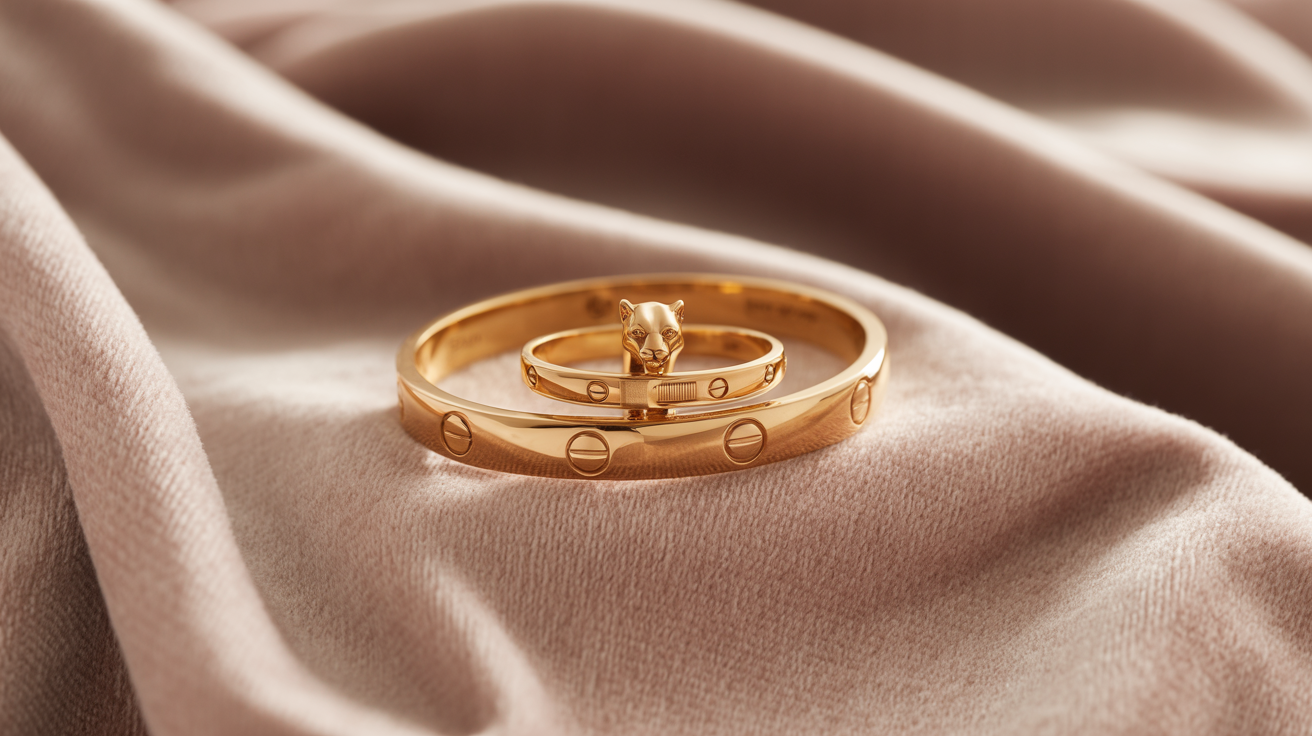
Designer and antique premiums vary by brand recognition and market demand. Some luxury names hold value while others don’t justify the original retail price.
Cartier pieces sell for 40-60% above scrap value because the brand maintains strong collector demand, particularly for Love bracelets, Trinity rings, and vintage Panther designs.
Tiffany & Co. items command 30-50% premiums when they feature recognizable design elements like the Return to Tiffany heart tag or classic Tiffany Setting engagement rings.
Van Cleef & Arpels brings 50-80% above melt for signature pieces like Alhambra motifs or Mystery Set gem arrangements that demonstrate technical mastery.
Bulgari B.zero1 and Serpenti collections earn 25-45% premiums due to distinctive Italian design language that collectors recognize immediately.
Chopard Happy Diamonds and David Yurman Cable classics add 20-40% above gold content when pieces show clear brand markers.
Department store brands like Ernest Jones or H. Samuel rarely exceed 5% premiums because they lack collectible status despite decent craftsmanship.
Collectible vs commodity gold separates these categories. Luxury brands invest in design heritage, limited production runs, and marketing that creates collector markets. Mass-market brands focus on affordability over exclusivity. The secondary market reflects this difference in pricing power.
When Should You Choose Auction Over Scrap Buyers?

When to choose auction over scrap depends on item value and minimum weight threshold calculations. Auction houses charge fees but enable premium pricing for qualified pieces.
| Factor | Scrap Sale | Auction Sale |
|---|---|---|
| Minimum Value | No minimum | £1,000+ recommended |
| Seller Fees | None | 20-25% commission |
| Time to Sale | 1-7 days | 2-4 months |
| Price Certainty | Guaranteed payout | Estimated range |
| Potential Premium | 0% | 50-400% above scrap |
Auction makes sense when pieces can realistically sell for 200%+ above their gold content. The 20-25% seller’s premium becomes worthwhile when items achieve significant collector interest. Georgian, Victorian, and signed designer pieces often reach these multiples.
Minimum weight threshold matters because auction fees are fixed costs. A £500 scrap value item needs to sell for £1,000+ just to break even after commission. Most auctioneers won’t accept consignments under £1,000 because their marketing costs exceed potential revenue.
Items over £2,000 scrap value often justify auction attempts. You can always withdraw before sale if bidding stays low. When you sell my gold bar through auction, precious metal content provides a floor price that protects against total loss.
Does Age Actually Add Value to Your Gold Jewellery?

Antique gold jewellery commands premiums based on historical period and craftsmanship quality, not age alone. Designer and antique premiums follow specific patterns tied to collecting trends.
Georgian period pieces (1714-1830) typically sell for 100-300% above their 18ct gold content value. These items feature hand-crafted details impossible to replicate with modern production methods. Foiled gemstone settings and intricate metalwork create collector appeal.
Victorian jewellery (1837-1901) brings variable premiums depending on sub-period. Early Victorian mourning jewellery with hair work commands strong prices. Late Victorian mass production pieces often sell for scrap only.
Edwardian items (1901-1910) focus on delicate platinum and white gold work. Pieces with original gemstones and clear period markers earn 25-75% above melt value.
Mid-century modern pieces from the 1960s-1980s rarely exceed scrap pricing unless they carry designer signatures. Mass production during this era created supply that exceeds collector demand.
Gold purity helps date pieces. Pre-1932 items often use 15ct or 12ct gold – lower purities that became illegal for hallmarking. These unusual carats can indicate genuine age and add collector interest. Use a sell my gold calculator uk to check base metal value before pursuing antique appraisals.
How Do You Actually Calculate Your Break-Even Point?

Scrap gold valuation determines minimum premium needed to justify specialist sale routes. This step-by-step process shows whether auction or dealer sales beat direct scrap buyers.
Calculate your item’s gold melt value using current LBMA pricing. Weigh your piece, identify carat markings, multiply weight by purity percentage, then by current gold price per gram.
Determine realistic scrap buyer payout at 75-85% of melt value. This represents what specialist online buyers typically offer after their margins and costs.
Add specialist sale costs including auction commission (20-25%), insurance, photography, and listing fees. Total these expenses to find your break-even threshold.
Research comparable sales for similar items using auction databases and dealer websites. Look for pieces with matching makers, periods, and condition levels.
Calculate minimum sale price needed to exceed scrap route. Your specialist sale must generate 30%+ premium over scrap payout to justify the time and fees involved.
Factor in time value and payment delays. Auctions take 2-4 months while scrap buyers pay within days. Consider whether the premium justifies waiting.
Items below £1,000 scrap value rarely justify specialist routes unless they have exceptional provenance or maker signatures. The mathematics favor direct sales for most modern jewellery. Compare options using a pawnshop vs gold dealer analysis to understand margin differences across buyer types.
Frequently Asked Questions
How much do you lose selling gold to a buyer?
You typically lose 15-35% of your gold’s melt value when selling to buyers. High street pawnshops take the largest margins at 30-35%, while specialist online gold buyers usually take 15-25%. This covers their refining costs, testing, and profit margins.
What percentage do gold buyers take?
Most UK gold buyers take between 15-35% as their margin from the gold’s melt value. The percentage depends on the buyer type and volume they handle. Refineries typically take the smallest percentage, while high street shops take the largest cut.
Is antique jewellery always worth more than scrap?
No, antique jewellery only commands premiums when it has recognisable period features, quality craftsmanship, or historical significance. Mass-produced vintage pieces from the 1960s-1980s typically sell for scrap value only. Age alone doesn’t guarantee above-scrap pricing.