

If you want to sell my gold teeth, you’re sitting on more value than you think. Dental gold sits in UK drawers worth millions because people assume it’s worthless or too gross to sell. Wrong on both counts.
Key Takeaways:
- Dental gold typically ranges from 10ct to 16ct purity, worth £15-40 per gram depending on alloy composition
- Most UK buyers accept dental gold after basic cleaning, with minimum weights starting at 1-2 grams
- Crowns weigh 2-5 grams each while bridges can contain 8-15 grams of recoverable gold
What Carat Gold Is Actually in Your Dental Work?
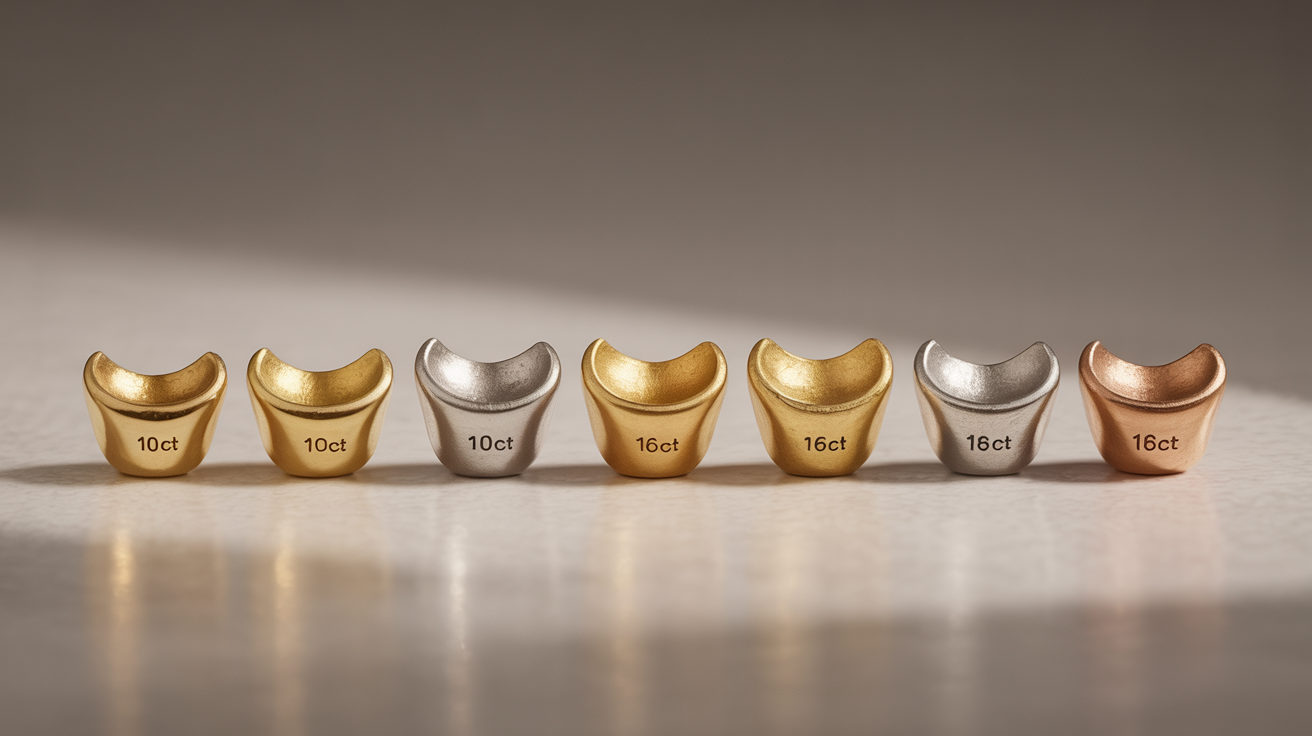
Dental gold alloy is a specific mixture designed for strength and biocompatibility, not purity. This means dental gold contains 10ct to 16ct gold content rather than the higher purities you see in jewellery.
NHS dental work uses 10-12ct alloys because the service prioritises durability over gold content. The alloy includes palladium, platinum, and base metals to prevent wear. Private dental work often uses 14-16ct alloys because patients pay more and expect better materials.
The gold purity matters because it directly affects your payout. A 10ct crown contains 41.7% gold by weight, while a 16ct crown contains 66.7% gold. At current LBMA rates, that difference turns a £30 crown into a £50 crown.
One thing to remember – dental gold trades differently than scrap gold from jewellery. The alloys are harder to refine and buyers often apply higher margins to cover processing costs. This affects how buyers calculate their offers when you want to sell scrap gold near me.
How Much Gold Weight Is in Different Types of Dental Work?

Crown weight averages 2-5 grams per piece depending on the tooth location and crown type. Molars need more material than incisors because they handle more pressure.
| Dental Work Type | Typical Weight | Gold Content Range | Estimated Value |
|---|---|---|---|
| Single Crown | 2-5 grams | 1-3 grams gold | £25-120 |
| Bridge (3 units) | 8-15 grams | 3-10 grams gold | £75-400 |
| Cap/Onlay | 1-3 grams | 0.5-2 grams gold | £15-80 |
| Large Filling | 0.5-2 grams | 0.2-1 gram gold | £8-40 |
Bridges contain the most recoverable gold because they span multiple teeth and need structural support. A three-unit bridge covering molars can contain 8-15 grams of alloy material.
Fillings vary wildly. Modern composite fillings contain no gold. Amalgam fillings contain silver, not gold. Only older gold foil or cast gold fillings have resale value, and many weigh less than the minimum weight threshold most buyers require.
Actually, this depends on when your dental work was done. Pre-1980s dental gold often used higher gold content because materials costs were different. Post-2000 dental work might use more base metals to control costs.
What Hygiene Requirements Do UK Gold Buyers Actually Have?
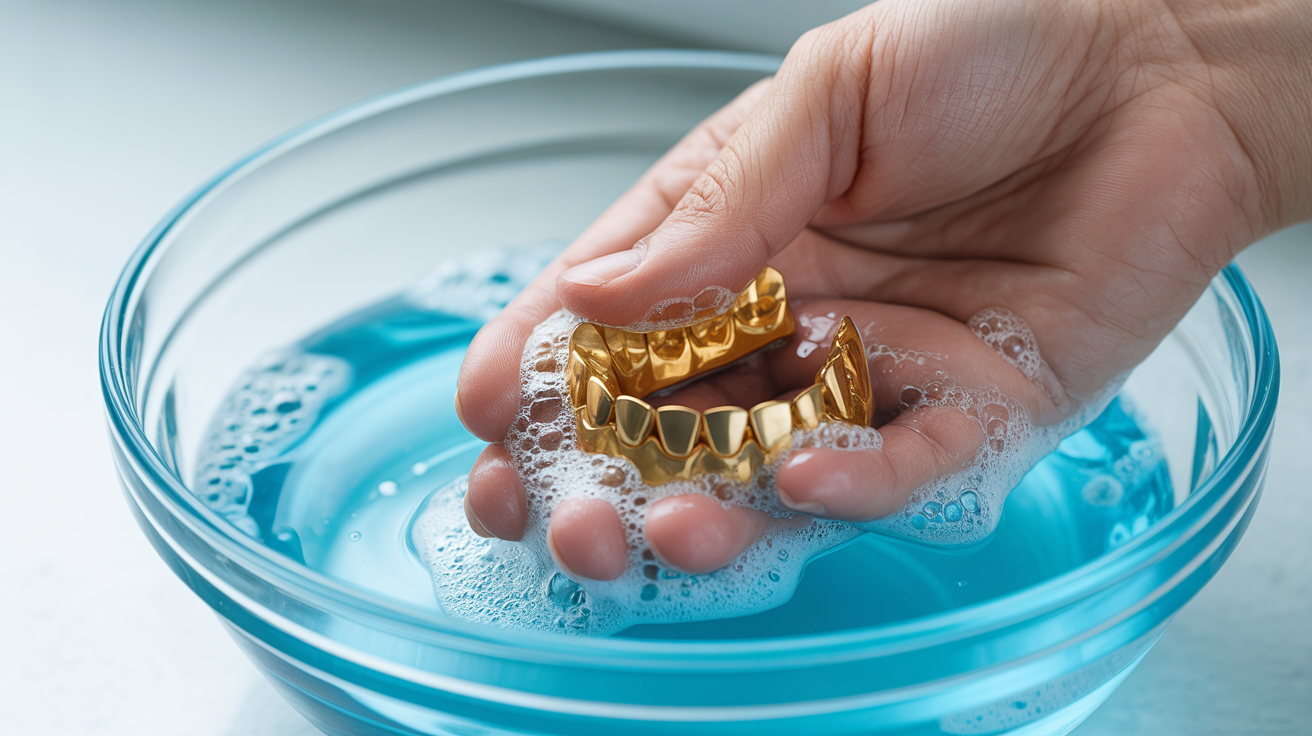
Hygiene requirements include basic cleaning and declaration rather than professional sterilisation. Most buyers treat dental gold as scrap metal, not medical waste.
- Clean items with soap and warm water to remove visible debris and plaque buildup.
- Dry completely and store in a clean container or envelope before shipping.
- Declare that items were professionally removed by a qualified dentist, not self-extracted.
- Include a brief note about the removal date and dental practice if possible.
You don’t need autoclave sterilisation or medical-grade disinfection. Basic household cleaning meets most UK buyers’ standards. The key is removing organic matter that could interfere with XRF testing equipment.
Gold buyer verification processes focus more on proving the items are genuine dental gold rather than sterility. Buyers worry about fake gold-plated items mixed in with dental work more than bacteria.
One warning – never send self-extracted dental work. Most legitimate buyers refuse it due to legal liability concerns. If you pulled your own crown or bridge, you might struggle to find a buyer willing to process it.
Which UK Buyers Actually Accept Dental Gold?
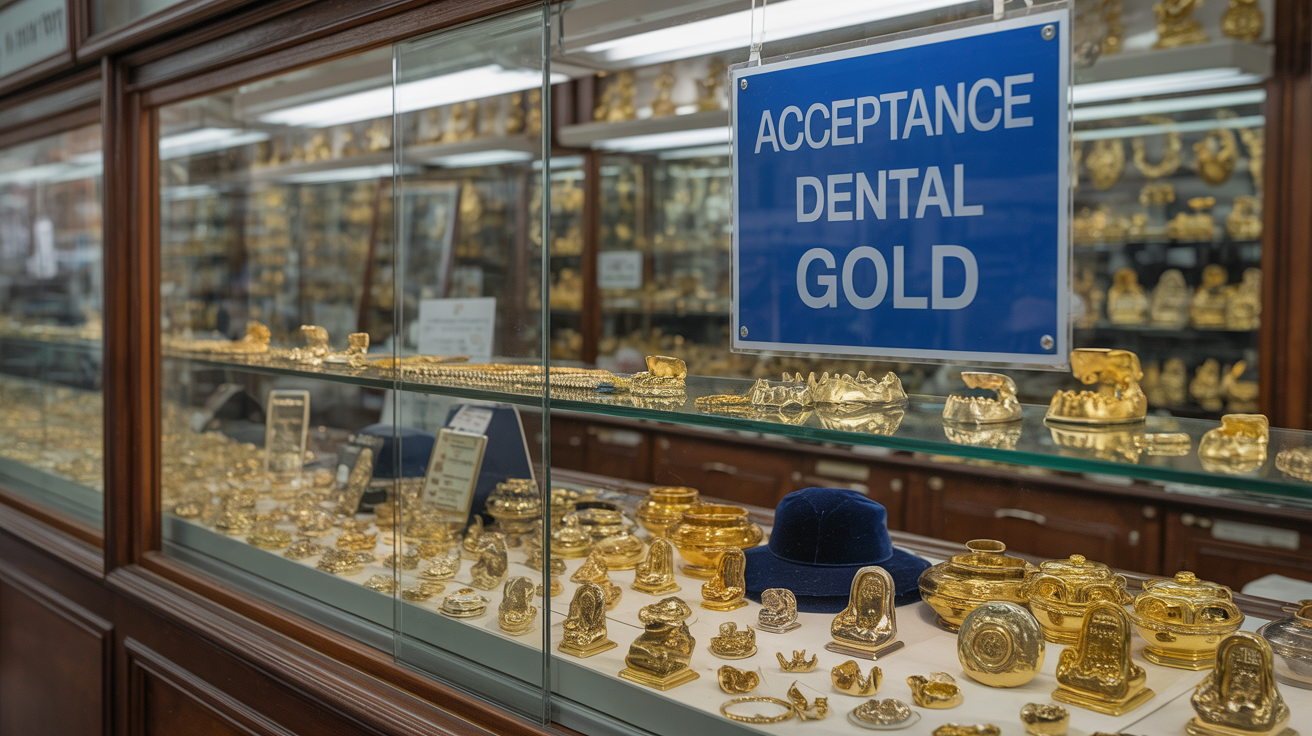
Buyer acceptance policies vary by company risk tolerance and processing capabilities. Not every scrap gold buyer handles dental work.
| Buyer Type | Accepts Dental Gold | Minimum Weight | Additional Requirements |
|---|---|---|---|
| High Street Pawn Shops | Usually Yes | 1-2 grams | Professional removal proof |
| Online Postal Buyers | Mixed Policies | 2-5 grams | Cleaning certificate |
| Specialist Dental Recyclers | Always Yes | 0.5 grams | Detailed documentation |
| Jewellery Shop Buyers | Usually No | N/A | Insurance restrictions |
Approximately 60% of UK scrap gold buyers accept dental gold with proper documentation. The remainder avoid it due to insurance restrictions or processing limitations.
Specialist dental gold recyclers offer the best rates because they understand the alloy compositions and have efficient refining processes. They also accept smaller quantities that general scrap buyers reject.
High street buyers often accept dental gold but apply larger margins to cover their uncertainty about alloy content. Online postal services vary – some refuse all dental work while others specialise in it.
If you read gold hallmarks on jewellery for comparison, dental gold works differently because it carries no assay office marks. Buyers must rely on XRF testing to determine purity.
How Do Buyers Actually Test and Value Your Dental Gold?

Scrap gold refining determines final payout value through XRF spectroscopy and fire assay testing. Dental alloys require different testing protocols than jewellery gold.
XRF machines read the elemental composition through the surface, but dental gold often has ceramic or composite material attached. Buyers need to mechanically clean items before accurate testing. This affects the speed of valuation compared to clean jewellery pieces.
Scrap gold valuation for dental work includes refining losses between 8-15% due to contamination. Ceramic crowns have porcelain fused to gold bases. Bridge work includes solder joints with different alloy compositions. These impurities reduce recoverable gold content.
Refining recovery rates for dental gold average 85-92% due to ceramic and metal contamination. Compare this to 95-98% recovery rates for clean jewellery scrap. The difference comes directly off your payout percentage.
Gold purity testing on dental work often reveals mixed alloys within single pieces. A bridge might have 14ct posts with 12ct connector bars. Buyers typically pay based on the lowest purity found unless they separate components during processing.
If you’re comparing this to what you’d get when you sell my gold bar or bullion, dental gold always pays less per gram due to processing complexity. But considering most people get dental work “free” through NHS treatment, any return represents pure profit.
Actually, one thing to mention – some buyers now use portable XRF units that can test through thin ceramic layers. This speeds up the process but might give less accurate readings than laboratory fire assay methods.
Frequently Asked Questions
Can I sell gold teeth that were removed by my dentist?
Yes, you can sell gold dental work removed by a qualified dentist. Most UK buyers require proof of professional removal and basic cleaning before acceptance. You’ll need to declare that the items were medically extracted.
How much is a gold dental crown actually worth?
A typical gold crown contains 2-5 grams of 10-16ct gold alloy, worth £15-40 per gram depending on purity. Most crowns sell for £30-200 depending on size and gold content after refining costs.
Do I need to clean dental gold before selling it?
Basic soap and water cleaning meets requirements for most UK buyers. You don’t need professional sterilisation, but items should be free of obvious debris and properly dried before sending.
What’s the minimum amount of dental gold I can sell?
Most UK buyers set minimum weights between 1-2 grams for dental gold. A single crown meets this threshold, but individual fillings might need combination with other pieces. Check with your chosen buyer about their specific minimum weight threshold before sending items.