

Gold hallmarks explained UK can mean the difference between £200 and £2000 for the same piece. The tiny symbols stamped inside tell you which, but 73% of UK sellers can’t read them properly.
Key Takeaways:
• UK gold hallmarks contain 4 compulsory marks that confirm authenticity and purity, missing any mark means your piece is either under 1 gram or potentially fake
• The millesimal fineness mark tells you exact gold content: 375 = 9ct (37.5% gold), 750 = 18ct (75% gold), 916 = 22ct (91.6% gold)
• Only 4 UK assay offices can legally hallmark gold: London, Birmingham, Sheffield, and Edinburgh, each uses a unique symbol that proves UK compliance
What Are UK Gold Hallmarks and Why Do They Matter?

UK gold hallmarks are compulsory marks stamped on precious metal items to guarantee their authenticity and purity. This means every piece of gold jewellery sold legally in Britain carries official proof of what it contains and who verified it.
The Hallmarking Act 1973 requires all gold items over 1 gram to be hallmarked to be sold legally as gold in the UK. Without these marks, you can’t legally describe an item as gold when you sell my gold to any buyer.
Each hallmark contains four specific marks. The sponsor’s mark identifies the manufacturer or importer. The millesimal fineness mark shows exact gold content as parts per thousand. The assay office mark proves which testing house verified the gold. The date letter shows when testing occurred.
Gold purity determines value more than weight alone. A 10-gram chain marked 375 contains 3.75 grams of pure gold. The same weight marked 750 contains 7.5 grams of pure gold. That’s double the gold content for identical weight.
Unmarked gold creates problems when selling. Buyers can’t verify purity without expensive testing. They typically offer 5-10% less to cover testing costs and risk. Some buyers won’t purchase unmarked pieces at all.
Assay office marks prove UK compliance. Foreign hallmarks or no hallmarks mean buyers treat your gold as unverified. They’ll demand independent testing before making offers, slowing the process and reducing payments.
The consequences of unmarked gold extend beyond lower prices. Without hallmarks, you can’t prove your gold’s legitimacy to insurance companies or when crossing borders. Professional dealers avoid unmarked pieces entirely.
How Do You Actually Read Gold Hallmark Symbols?
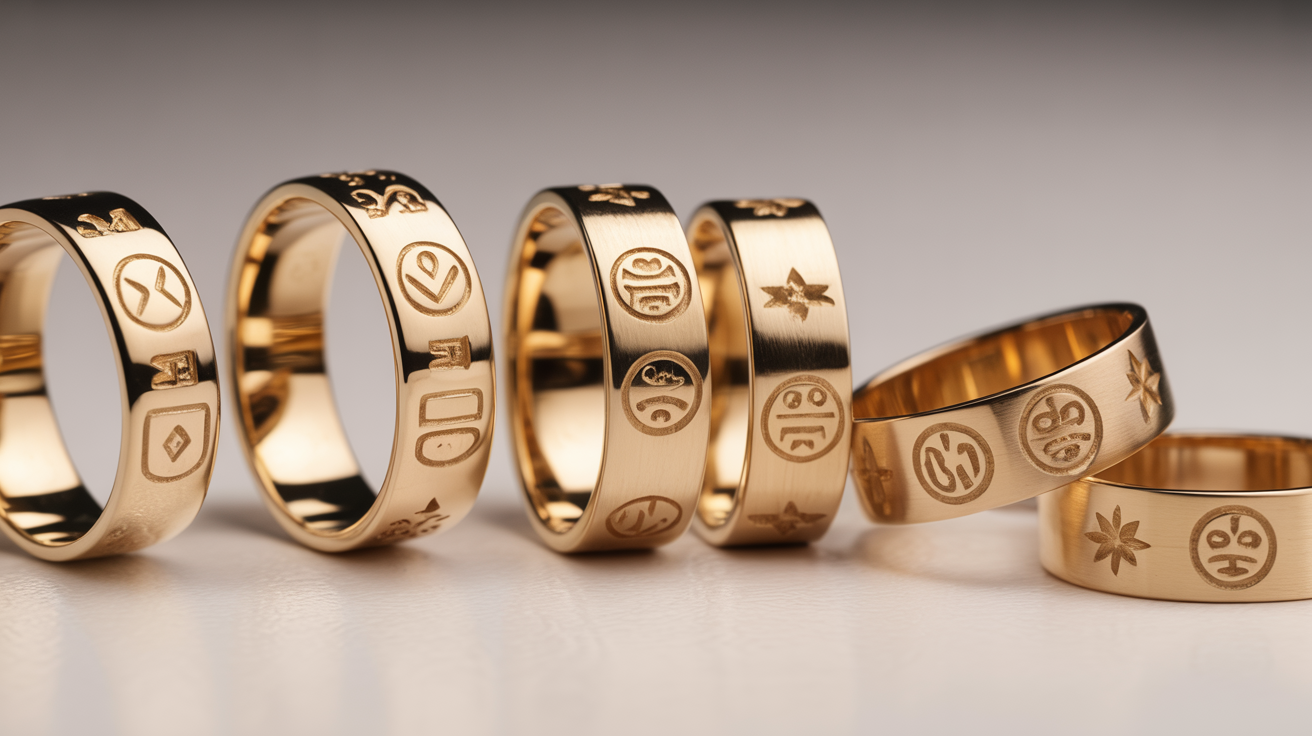
Each hallmark symbol indicates specific information about the gold piece you’re examining. The marks appear in sequence, typically stamped inside rings, on clasps of chains, or on the back of pendants.
The sponsor mark comes first. It’s usually two or three letters in a shield shape identifying the manufacturer or importer who submitted the piece for testing. This mark traces responsibility back to the company that made or imported your gold.
The millesimal fineness mark follows. This three-digit number shows exact gold content as parts per thousand. You’ll see 375 for 9 carat gold, 585 for 14 carat, 750 for 18 carat, or 916 for 22 carat gold.
The assay office mark comes next, showing which testing house verified your gold:
| Assay Office | Symbol | Location | Established |
|---|---|---|---|
| London | Leopard’s Head | Goldsmiths’ Hall | 1300 |
| Birmingham | Anchor | Newhall Street | 1773 |
| Sheffield | Rose (Tudor Rose) | Portobello Street | 1773 |
| Edinburgh | Castle (Three-Turreted) | Canongate | 1681 |
The date letter appears last. This single letter in a specific font and shield shape shows the exact year of hallmarking. Date letters cycle through alphabets and change fonts periodically.
Hallmarks cluster together, usually in a straight line. On rings, look inside the band. On chains, check near the clasp. Earrings show marks on the post or back. Bracelets display them on the clasp or a small tag.
The positioning varies by item type, but the sequence stays consistent. Sponsor, fineness, assay office, date. Learning this order helps you identify each mark quickly.
Some pieces show additional marks. Commemorative marks appear during special years like royal jubilees. Convention marks indicate European compliance. Traditional fineness marks (like crown and number combinations) appear on older pieces alongside modern marks.
What Do Gold Fineness Numbers Actually Mean?
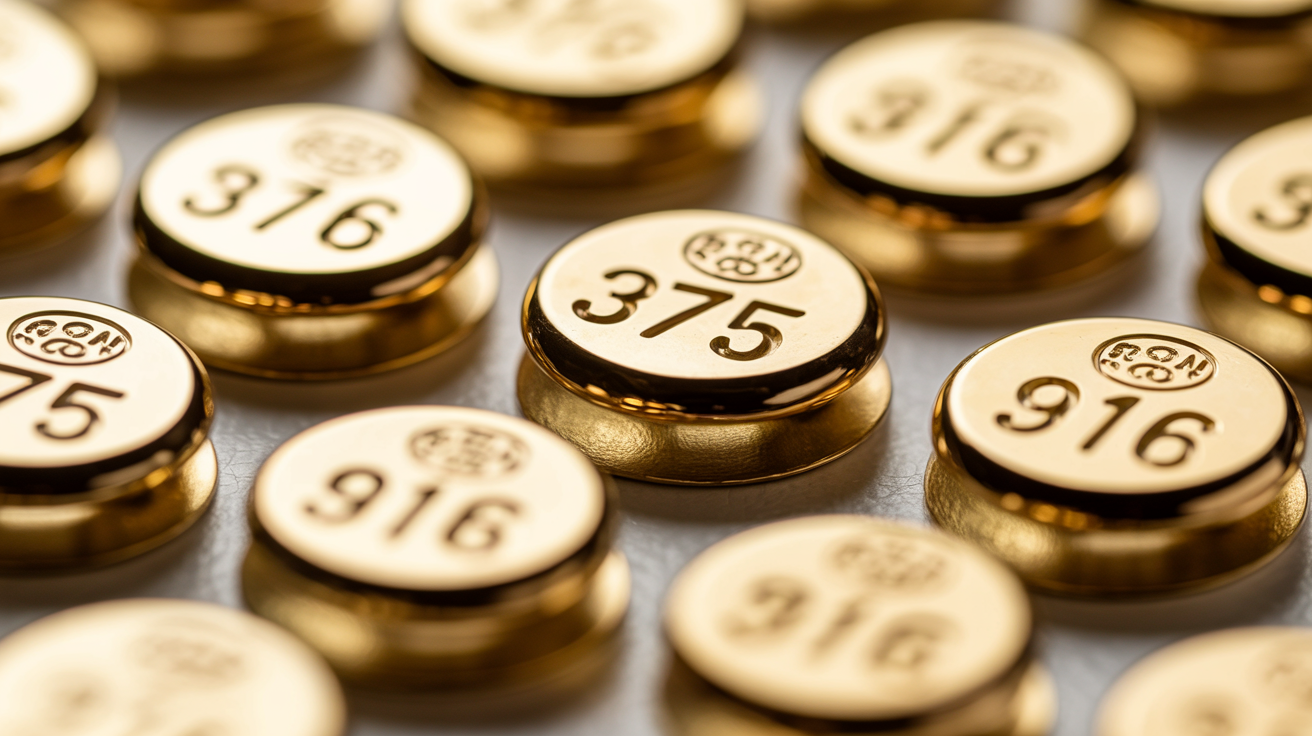
Millesimal fineness numbers show exact gold purity percentage in your jewellery. The carat fineness system converts directly to these numbers, giving you precise gold content.
Here are the common UK fineness marks and their meanings:
• 375 fineness equals 37.5% pure gold (9 carat), the minimum legal standard for gold jewellery in the UK, often used in affordable pieces
• 585 fineness equals 58.5% pure gold (14 carat), popular in European imports and some UK pieces, offers good durability with decent gold content
• 750 fineness equals 75% pure gold (18 carat), the most common standard for quality UK jewellery, balancing purity with strength
• 916 fineness equals 91.6% pure gold (22 carat), the highest purity commonly found in UK jewellery, typically seen in Asian-style pieces and wedding rings
• 999 fineness equals 99.9% pure gold (24 carat), investment grade gold, rarely used in jewellery due to extreme softness
The fineness number directly affects value when you sell gold. A ring weighing 5 grams with 750 fineness contains 3.75 grams of pure gold. The same weight with 375 fineness contains only 1.875 grams of pure gold.
Calculating gold content requires simple multiplication. Take the item’s weight in grams, multiply by the fineness number, then divide by 1000. A 10-gram bracelet marked 585 contains 5.85 grams of pure gold (10 × 585 ÷ 1000).
Alloy metals fill the remaining percentage. 18 carat gold (750 fineness) contains 25% other metals like copper, silver, or palladium. These alloys provide strength and sometimes colour variation but add no precious metal value.
Higher fineness means softer gold. 22 carat pieces scratch and dent easily. 9 carat gold resists damage better but contains less valuable gold. This explains why buyers pay different rates per gram based on fineness marks.
Which Assay Office Hallmarked Your Gold and Why It Matters?

UK assay offices guarantee hallmarking standards compliance through rigorous testing procedures. Each office maintains identical standards but uses distinctive symbols to identify their work.
The four UK assay offices operate independently but follow the same legal requirements:
| Office | Location | Testing Method | Special Features |
|---|---|---|---|
| London Assay Office | Goldsmiths’ Hall, London | XRF gold testing + fire assay | Oldest assay office, handles luxury brands |
| Birmingham Assay Office | Newhall Street, Birmingham | XRF gold testing + cupellation | Largest volume, serves Jewellery Quarter |
| Sheffield Assay Office | Portobello Street, Sheffield | XRF gold testing + fire assay | Specializes in cutlery and silverware |
| Edinburgh Assay Office | Canongate, Edinburgh | XRF gold testing + touchstone | Only Scottish office, handles Celtic designs |
XRF gold testing provides initial purity readings. This non-destructive method shoots X-rays at the gold surface to identify metal composition. Results appear within seconds, making it perfect for high-volume operations.
Fire assay confirms XRF results for borderline cases. This destructive test melts a tiny sample to determine exact gold content. Assay offices use fire assay when XRF readings fall near fineness boundaries.
Gold buyer verification becomes simpler with UK hallmarks. Buyers trust these marks because assay offices face legal liability for accuracy. Independent testing becomes unnecessary, speeding up the selling process.
The assay office location matters less than the mark’s presence. London-hallmarked gold doesn’t command higher prices than Birmingham-marked pieces. All UK assay offices maintain identical standards and legal status.
Some buyers prefer certain assay office marks based on familiarity or regional connections. Birmingham marks appear frequently because that city houses the UK’s largest jewellery manufacturing district. London marks often appear on luxury brands due to proximity to high-end retailers.
Assay office records provide additional verification if disputes arise. Each office maintains databases linking hallmark combinations to specific testing dates and results. This creates an audit trail for authenticity verification.
Can You Sell Gold Without Proper UK Hallmarks?
Unmarked gold requires independent testing and receives lower valuations from UK buyers. The Hallmarking Act 1973 requirements don’t prevent selling unmarked pieces, but they create complications that reduce final payments.
Buyers handle unhallmarked pieces through additional verification steps. They can’t rely on existing marks to confirm purity, so they must conduct their own testing. This adds time, cost, and uncertainty to the transaction.
XRF gold testing becomes mandatory for unmarked pieces. Buyers use these machines to identify gold content before making offers. The testing takes minutes but requires expensive equipment that smaller buyers might not own.
Testing costs get deducted from offers or built into lower price structures. Professional XRF machines cost £15,000-£30,000. Buyers who own this equipment factor maintenance and calibration costs into their pricing models.
Unmarked gold typically receives 5-10% lower offers because buyers must cover testing expenses and assume risk. If testing reveals lower purity than expected, buyers absorb the loss. This risk premium reduces what they can pay sellers.
Delay affects unmarked gold sales. Buyers might need to send pieces to third-party testing facilities if they lack in-house capabilities. This extends the selling process from same-day to several days or weeks.
Some buyers refuse unmarked gold entirely. Cash-for-gold shops and postal services often reject pieces without UK hallmarks. They lack testing equipment or prefer avoiding verification complications.
Foreign hallmarks create similar problems. European Convention marks (German 585 or Italian 750) receive better treatment than completely unmarked pieces, but buyers still demand verification testing. These marks aren’t legally recognized under UK hallmarking law.
The value impact varies by piece size and claimed purity. Small items under 1 gram don’t require hallmarks legally, so buyers accept them more readily. Large pieces claiming high purity without marks face significant skepticism and testing requirements.
Frequently Asked Questions
What happens if my gold has foreign hallmarks instead of UK marks?
Foreign hallmarks aren’t recognized under UK law, so buyers treat the piece as unmarked gold requiring independent testing. European Convention marks (like German 585 or Italian 750) are accepted by most UK buyers, but you’ll still need XRF testing to confirm purity.
Why do some old gold pieces have different hallmark symbols?
UK hallmarking symbols changed over time, especially before 1975 when the current system was standardized. Antique pieces may show outdated symbols, but the millesimal fineness number (375, 585, 750, etc.) remains the key indicator of gold content for selling purposes.
Can fake gold have convincing-looking hallmarks?
Yes, counterfeit hallmarks exist but are illegal and increasingly rare on gold entering the UK market. Genuine UK hallmarks are laser-engraved or stamped with precise detail that’s difficult to fake, and buyers use XRF testing to verify gold content regardless of markings.