

This gold carat guide UK reveals exactly what buyers pay for each purity level. Your gold’s carat marking determines exactly how much pure gold you own and what buyers will pay for it. Understanding gold hallmarks explained UK standards helps you sell my gold at fair prices.
Key Takeaways:
• 24ct gold contains 99.9% pure gold while 9ct contains only 37.5%, a £47 per gram difference at current prices
• UK hallmarking uses fineness numbers (375, 585, 750) alongside carat markings to verify purity
• Asian 22ct gold sells for 15-20% more per gram than UK 18ct gold due to higher purity content
What Do Gold Carat Numbers Actually Mean?
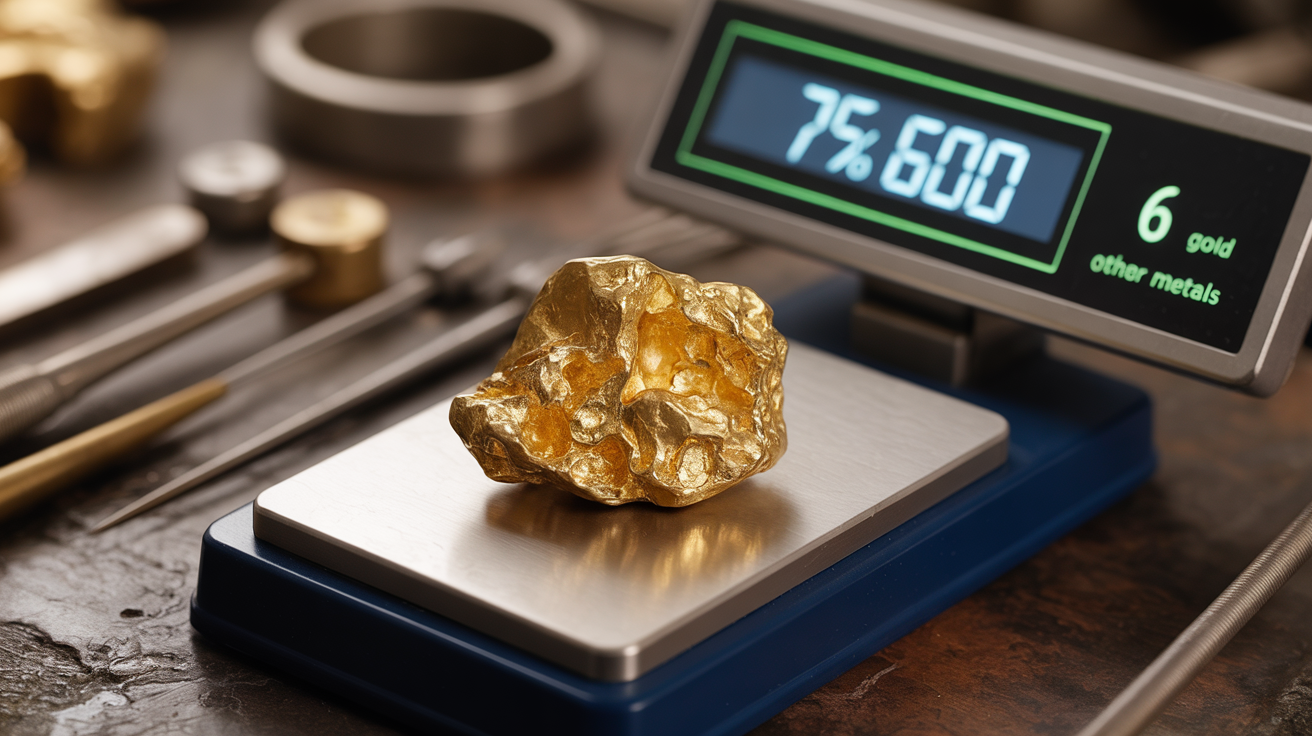
The carat fineness system is a measurement of gold purity expressed as parts per 24. This means 18ct gold contains 18 parts pure gold mixed with 6 parts other metals, giving exactly 75% gold content.
Pure 24ct gold is too soft for most jewellery. It bends under finger pressure and scratches with a fingernail. Jewellers add copper, silver, nickel, or zinc to create workable alloys. The carat number tells you exactly how much pure gold remains after alloying.
UK sellers often see “karat” in American guides, but British spelling uses “carat” for both gold purity and gemstone weight. The context makes the meaning clear. Gold carat measures purity percentage. Gemstone carat measures weight.
Each carat level contains a fixed gold purity:
- 24ct = 99.9% gold (pure gold)
- 22ct = 91.7% gold
- 18ct = 75% gold
- 14ct = 58.3% gold
- 9ct = 37.5% gold (UK legal minimum)
These percentages determine exactly what your gold is worth. A 10-gram 18ct ring contains 7.5 grams of pure gold. A 10-gram 9ct ring contains 3.75 grams of pure gold. The price difference reflects this pure gold content.
UK Gold Carat Standards: What’s Legal vs What’s Common?
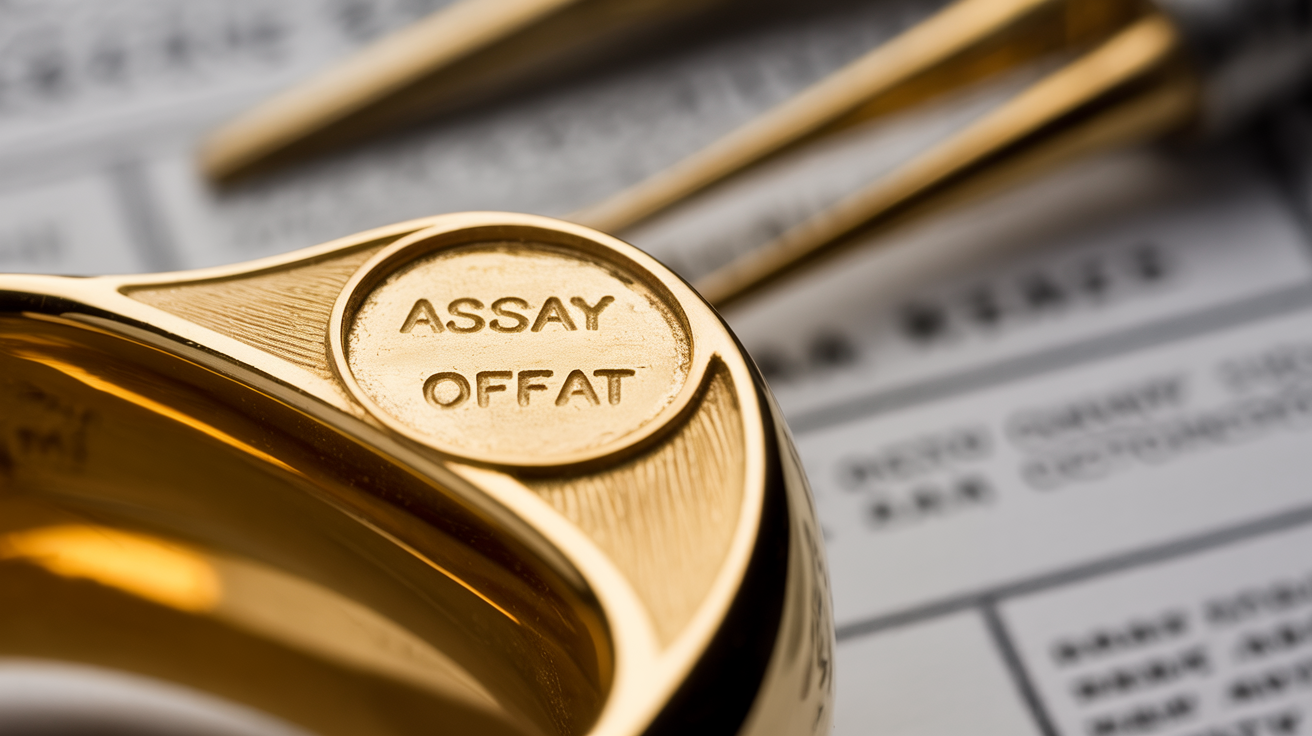
UK hallmarking law requires assay office marks on all gold items over 1 gram. British assay offices only hallmark four carat levels as standard gold.
| Carat Level | Fineness Number | Gold Percentage | UK Legal Status |
|---|---|---|---|
| 9ct | 375 | 37.5% | Legal minimum, widely used |
| 14ct | 585 | 58.3% | Legal, less common |
| 18ct | 750 | 75% | Most popular for fine jewellery |
| 22ct | 916 | 91.7% | Legal, mainly Asian imports |
The UK minimum purity standard sits at 37.5% gold content. European standards allow 33.3% (8ct) gold to carry gold hallmarks, but UK assay offices reject anything below 9ct. This protects British consumers from low-grade gold alloys.
You won’t find legitimate UK hallmarks on 10ct or 12ct gold. These American standards don’t meet British legal requirements for gold marking. Imported items may carry foreign hallmarks at these levels, but UK buyers treat them as unverified gold.
London, Birmingham, Edinburgh, and Sheffield assay offices each use distinct marks alongside the fineness number. A crown indicates gold, followed by the fineness (375, 585, 750, 916), the assay office mark, and a date letter. This combination guarantees the gold content.
How Much Is Each Carat Level Worth Per Gram?

Gold carat level determines price per gram directly. Current UK selling prices reflect pure gold content minus buyer margins and processing costs.
| Carat Level | Pure Gold Content | Approximate Selling Price | Price Per Pure Gram |
|---|---|---|---|
| 9ct | 37.5% | £18-22/gram | £48-59 |
| 14ct | 58.3% | £28-34/gram | £48-58 |
| 18ct | £35-42/gram | 75% | £47-56 |
| 22ct | 91.7% | £52-62/gram | £57-68 |
Higher carat gold doesn’t always command proportionally higher prices. Processing costs and buyer margins create pricing distortions. The pure gold content calculation shows each carat level offers similar value per gram of actual gold, around £47-68.
9ct gold selling for £20 per gram means you get £20 for 3.75 grams of pure gold (£53 per pure gram). 18ct gold selling for £38 per gram means you get £38 for 7.5 grams of pure gold (£51 per pure gram). The pure gold value stays consistent.
Buyers factor in refining costs when pricing different carat levels. 9ct gold requires more processing to extract pure gold than 18ct gold. Some gold buyer verification services charge higher margins on lower carat gold to offset these costs. Others prefer higher volumes of 9ct gold despite lower pure gold percentages.
Market demand also affects pricing. 18ct gold appeals to more buyers than 22ct gold in the UK market, despite lower purity. Supply and demand dynamics create small pricing premiums for popular carat levels.
Why Asian Gold Uses Different Carat Standards

Asian gold markets prefer 22ct and 24ct gold over European 18ct standards. Cultural preferences and investment traditions drive these purity choices.
| Market | Preferred Carat | Gold Content | Cultural Reason |
|---|---|---|---|
| Indian | 22ct | 91.7% | Traditional jewellery standard |
| Middle Eastern | 22ct-24ct | 91.7-99.9% | Investment and bridal gold |
| Chinese | 24ct | 99.9% | Investment bars and coins |
| UK/European | 18ct | 75% | Durability for daily wear |
22ct gold contains 91.7% pure gold compared to UK’s common 18ct at 75% purity. This 16.7% difference means 22ct gold sells for 15-20% more per gram in the UK market. Asian families living in Britain often own 22ct gold jewellery worth significantly more than equivalent UK pieces.
24ct gold serves as investment grade metal rather than wearable jewellery. Its 99.9% purity makes it too soft for rings or chains but perfect for bars, coins, and wealth storage. UK buyers pay premium prices for 24ct gold due to minimal processing requirements.
Cultural attitudes toward gold purity create these market differences. Asian buyers view gold as portable wealth requiring maximum purity. European buyers prioritise durability and appearance over pure gold content. When you sell my gold ring made in Asian 22ct gold, expect higher prices than equivalent UK 18ct pieces.
How Do You Actually Test Gold Carat Levels?

XRF gold testing provides the most accurate carat verification available to UK gold buyers. Professional buyers use this process:
Clean the gold surface with alcohol to remove dirt, oils, and surface contamination that could affect readings.
Position the XRF gun directly against the gold surface for 30-60 seconds while the machine fires X-rays through the metal.
Read the digital display showing exact percentages of gold, silver, copper, and other metals present in the alloy.
Compare results against hallmark claims to verify authenticity and detect gold-plated items masquerading as solid gold.
Test multiple areas on larger pieces to ensure consistent gold content throughout the item.
XRF testing measures exact gold purity within 0.1% accuracy. A genuine 18ct gold ring tests at 74.8-75.2% gold content. Anything outside this range indicates problems with the hallmark or the gold itself.
Acid testing only confirms minimum purity thresholds. 18ct acid turns gold a specific colour if the gold contains at least 75% purity, but can’t distinguish between 75% and 80% gold content. XRF testing reveals the exact percentage.
Many sellers assume hallmarks guarantee accurate gold content. UK assay office marks are reliable, but foreign hallmarks, particularly from unregulated markets, sometimes overstate purity levels. Gold buyer verification through XRF testing catches these discrepancies.
Frequently Asked Questions
What carat is my gold if there’s no marking?
Unmarked gold requires XRF testing to determine carat level accurately. UK law requires hallmarking on items over 1 gram, so unmarked pieces are either under-weight, imported without proper certification, or potentially gold-plated rather than solid gold.
Is 9ct gold worth selling?
9ct gold contains 37.5% pure gold and sells for £18-22 per gram depending on current market rates. While lower than 18ct gold, it’s still valuable enough to sell, especially for heavier pieces like chains or bracelets.
Why does 18ct gold cost more than twice as much as 9ct?
18ct gold contains 75% pure gold compared to 9ct’s 37.5%, exactly double the gold content. However, buyer margins and processing costs mean the price difference is often more than proportional, with 18ct selling for 80-90% more per gram than simple doubling would suggest.