Is My Gold Jewellery Worth More Than Scrap?
Is your gold jewellery worth more than scrap? Most sellers lose £200-400 per ounce because they don’t understand when their pieces command premiums above melt weight. The difference between selling to scrap gold buyers and specialist dealers can mean thousands of pounds.
Key Takeaways:
• Scrap gold buyers typically pay 60-80% of melt value, meaning you lose 20-40% automatically
• Designer pieces from Tiffany, Cartier, or Van Cleef command 2-5x scrap value at auction
• Antique jewellery over 100 years old often sells for 150-300% above gold weight
What Actually Determines Above-Scrap Value?
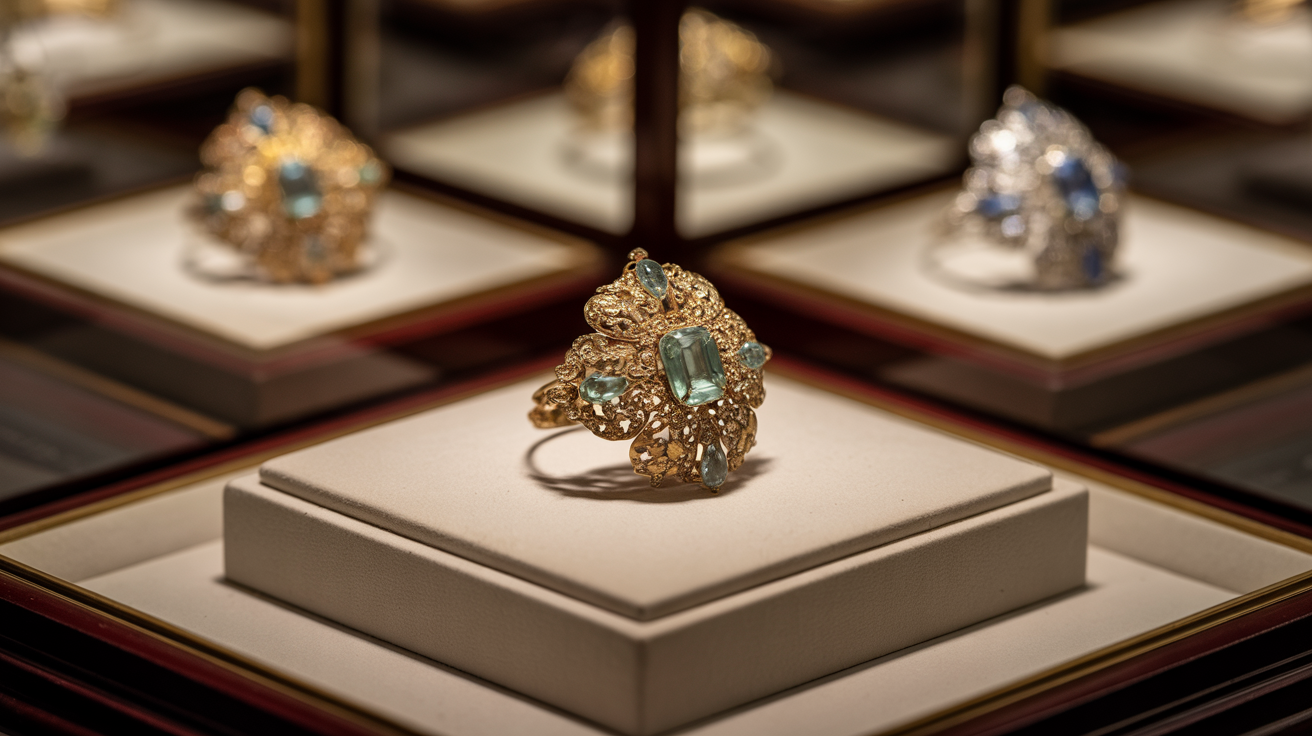
Above-scrap jewellery value is the premium collectors and dealers pay beyond the raw gold content. This means your piece has attributes that make it worth more than its weight in precious metal.
Five factors drive premiums: craftsmanship quality, maker reputation, historical significance, artistic merit, and rarity. A hand-forged Victorian mourning ring carries different value than a machine-stamped wedding band from Argos. Both contain gold, but only one has collector appeal.
Scrap gold valuation treats everything as commodity pricing. Your 18ct Edwardian brooch gets the same per-gram rate as broken chain links. Scrap buyers focus on gold purity and weight alone. They melt everything down, so design and provenance mean nothing.
The baseline expectation matters here. Scrap buyers typically offer 60-80% of spot gold price, depending on current market conditions and their overhead costs. That percentage represents pure commodity value with zero premium for anything beyond the metal content.
Condition affects both scrap and premium valuations differently. Bent or broken jewellery still contains the same gold content, so scrap value stays constant. But damaged designer pieces lose premium value fast. A dented Cartier bracelet might sell for scrap rates instead of the 3x premium an pristine example commands.
How Much Do Gold Buyers Actually Take?

Typical buyer margins range from 20% to 60% depending on the sales channel you choose. Understanding these cuts helps you calculate whether seeking premium value justifies the extra effort.
| Buyer Type | Margin Taken | Your Return | Processing Time |
|---|---|---|---|
| High Street Shops | 40-60% | 40-60% of spot | Same day |
| Online Buyers | 20-35% | 65-80% of spot | 3-7 days |
| Pawn Shops | 50-70% | 30-50% of spot | Same day |
| Auction Houses | 10-25% fee | 75-90% of hammer | 2-6 months |
| Specialist Dealers | 15-30% | 70-85% of agreed value | 1-3 weeks |
High street gold shops need the biggest margins because they carry overhead costs and immediate payment risk. They’re buying blind without detailed testing, so they price in safety buffers. Online buyers can offer better rates because they verify items before final payment.
The mathematics hurt sellers badly. If gold trades at £50 per gram and your ring contains 10 grams of 18ct gold, the metal value equals £375. A high street buyer taking 50% margin pays you £187.50. You lose £187.50 for the convenience of immediate cash.
Gold buyer verification becomes critical for premium pieces. Many high street shops lack expertise to identify maker’s marks or assess craftsmanship quality. They default to scrap pricing because they can’t evaluate additional value factors. Specialist buyers invest in authentication tools and market knowledge that justify their existence.
When Does Designer Premium Beat Scrap Pricing?
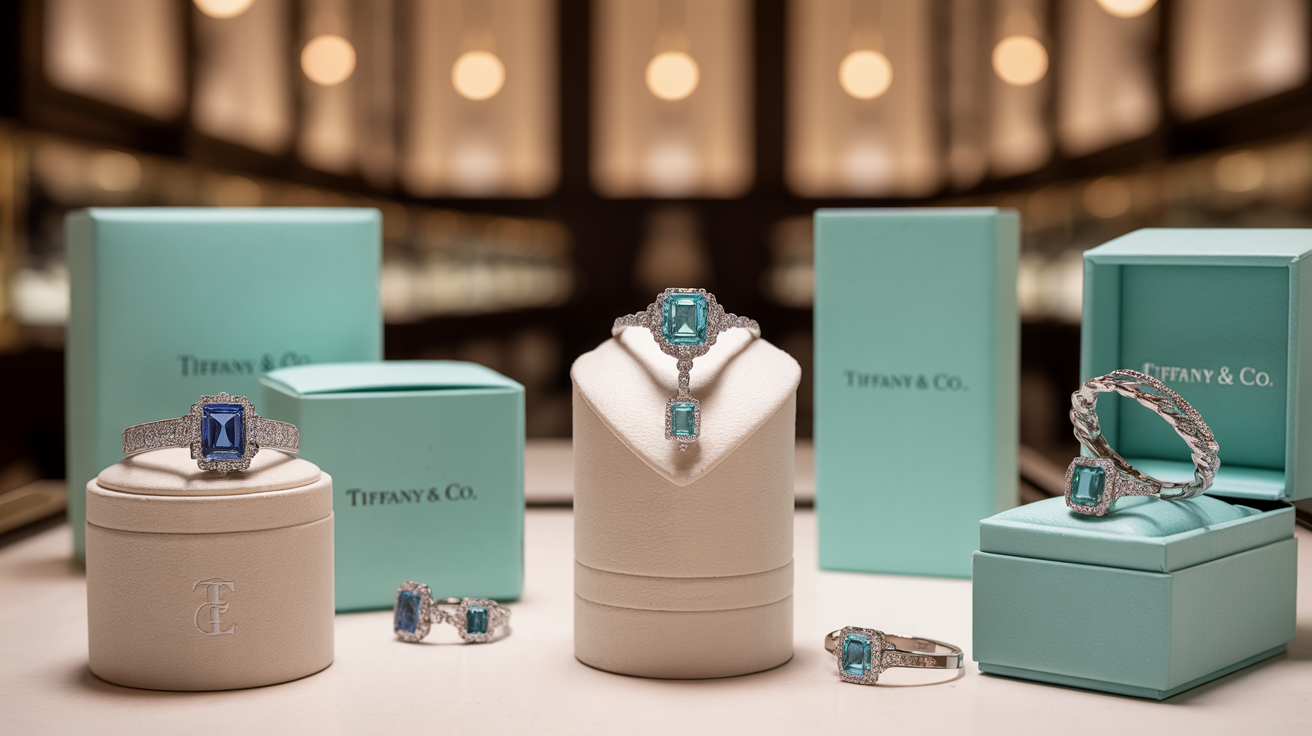
Designer premiums apply to recognizable luxury brands in good condition, but the list is shorter than most people expect. Brand recognition drives collector demand, which creates the premium over melt value.
Tier 1 Luxury Houses – Tiffany & Co, Cartier, Van Cleef & Arpels, and Bulgari maintain strong secondary markets. Tiffany pieces typically sell for 2-4x scrap value at specialist dealers.
Historic British Makers – Garrard, Asprey, and Mappin & Webb carry heritage premiums, especially pre-1960 pieces. Victorian and Edwardian examples from these makers often achieve 150-200% above gold weight.
Signed Studio Pieces – Georg Jensen, David Webb, and Seaman Schepps have collector followings. Authentication becomes critical because forgeries exist for valuable makers.
Antique and Estate Pieces – Items over 100 years old with period hallmarks command premiums regardless of original maker. Art Deco pieces from the 1920s-1930s perform particularly well.
Limited Editions and Collaborations – Numbered pieces or artist collaborations from recognized brands hold value. Documentation and original packaging increase premiums significantly.
Condition requirements are stricter for designer premiums. Scrap buyers accept any condition, but collectors want near-perfect pieces. Scratches, dents, or missing stones destroy premium value fast. A damaged Cartier piece might sell at scrap rates instead of the 3x premium a mint example commands.
Authentication challenges exist for valuable pieces. Replica designer jewellery has improved dramatically, making verification harder. Specialist dealers use tools like X-ray fluorescence and microscopic examination to confirm authenticity. Without proper authentication, premium buyers won’t touch questionable pieces.
Should I Choose Auction Over Immediate Sale?

Auction sales generate higher returns for collectible and designer pieces, but the time investment and fee structure make them unsuitable for basic gold jewellery.
| Factor | Immediate Sale | Auction Route |
|---|---|---|
| Timeline | Same day to 1 week | 2-6 months from consignment |
| Seller Fees | None (built into offer) | 10-25% of hammer price |
| Potential Return | 60-80% of scrap value | 150-400% of scrap value |
| Risk Level | Zero (guaranteed price) | High (reserve not always met) |
| Minimum Value | Any amount accepted | £500+ typically required |
Auction houses charge seller’s premiums between 10-25%, but they often achieve 150-400% of scrap value for the right pieces. The fee structure makes sense when dealing with high-value items where the premium exceeds the commission cost.
Time versus money tradeoffs matter significantly. Auction consignment requires 2-6 months from initial assessment to payment. You need financial flexibility to wait that long. Emergency cash needs eliminate auction as an option.
Reserve prices protect sellers from low bids, but they also prevent sales if bidding stays weak. Setting reserves too high results in bought-in lots that don’t sell. Setting them too low risks selling valuable pieces cheaply. Auction houses advise on reserve levels based on their market experience.
Minimum value thresholds exist because auction houses need to cover their costs. Items worth less than £500 rarely justify auction fees and marketing expenses. The house needs to believe your piece can generate enough commission to cover their time investment.
What Are the Red Flags That My Item Is Just Scrap?
Scrap-only indicators include mass production marks and poor condition that eliminate any collector interest. Follow these steps to identify pieces that won’t command premiums:
Check for Mass Production Signs – Look for casting seams, uniform thickness, and repetitive patterns. Machine-made jewellery lacks the irregularities that indicate hand craftsmanship.
Assess Physical Condition – Calculate repair costs versus potential premiums. Broken clasps, missing stones, or severe wear typically cost more to fix than the premium value they might restore.
Verify Minimum Weight Thresholds – Items under 2 grams rarely justify specialist selling due to handling costs. The premium would need to be enormous to cover authentication and selling expenses.
Search for Maker’s Marks – Unmarked pieces or those with only purity stamps (like ’18ct’) indicate commercial production. Designer and artisan pieces carry signature marks beyond legal requirements.
Research Current Market Demand – Even authentic designer pieces need active collector interest. Brands that were popular decades ago might have lost their premium value in today’s market.
Calculate Break-Even Points – Compare specialist selling costs (time, authentication, commissions) against potential premiums. If the premium doesn’t exceed 50% above scrap value, the extra effort rarely pays off.
Scrap gold refining treats everything equally, so these red flags don’t affect base value. But they indicate when seeking premium sales channels wastes your time and money. Sometimes accepting scrap rates immediately beats chasing premiums that don’t exist.