

Every week, UK consumers lose thousands of pounds to fake gold buyers who vanish with their valuables or pay a fraction of what the gold is worth. To check gold buyer legitimate UK status takes minutes and can save you from costly mistakes when you sell my gold.
Key Takeaways:
• Check Companies House registration, legitimate gold buyers must be registered companies with accessible filing history
• Verify Scrap Metal Dealers Act 2013 compliance, UK gold buyers need valid Environment Agency waste carrier licenses
• Look for NAJ membership or equivalent trade body certification, 73% of verified legitimate buyers hold professional accreditation
What Makes a Gold Buyer Legally Legitimate in the UK?

A legitimate gold buyer is a registered business that holds all mandatory licenses and operates within UK consumer protection laws. This means they can be held accountable through official channels if something goes wrong with your transaction.
The Scrap Metal Dealers Act 2013 requires all gold buyers to hold Environment Agency waste carrier licenses. Without this license, buying scrap gold is illegal. Companies House registration creates a paper trail of business ownership and financial filings that you can check before handing over your valuables.
Unlicensed operators often target consumers through social media ads or door-to-door visits, offering inflated prices to lure sellers. They pay a fraction of promised amounts or disappear entirely once they receive your gold. These scams connect to broader gold selling scams UK patterns that cost consumers millions annually.
Most what is scrap gold transactions involve items worth hundreds or thousands of pounds. The legal framework exists because gold’s high value attracts criminal operators who exploit the fact that most sellers lack industry knowledge about what to expect when selling gold.
How Do You Check a Gold Buyer’s Companies House Registration?
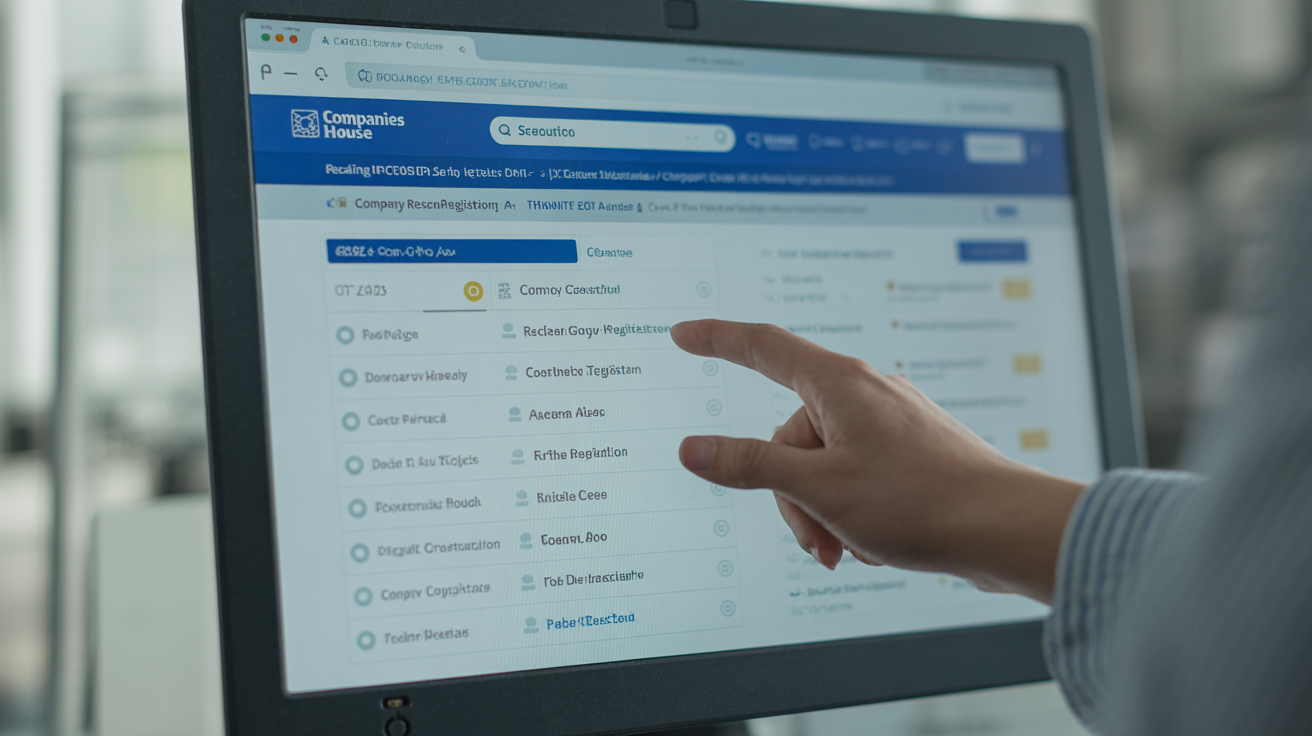
Visit the Companies House website and search for the business name or company number. Every legitimate UK company has a unique registration number displayed on their website and paperwork.
Review the company’s filing history to check they submit annual returns on time. Late or missing filings indicate poor business management or potential financial problems.
Check the company status shows as “Active” and verify the registered office address matches what the buyer claims. Dissolved or dormant companies cannot legally trade.
Look for director information and how long the company has been trading. New companies with frequently changing directors raise red flags about stability and accountability.
Cross-reference the business address with their physical premises if they claim to have a shop or office. Virtual offices and PO boxes alone don’t meet regulatory requirements for gold buying businesses.
All UK limited companies must file annual returns within 9 months of year-end. Companies with missing filings face prosecution and eventual dissolution. You need ID to sell gold UK to any licensed buyer, and they need proper registration to accept it.
What Licenses Should a Legitimate Gold Buyer Hold?
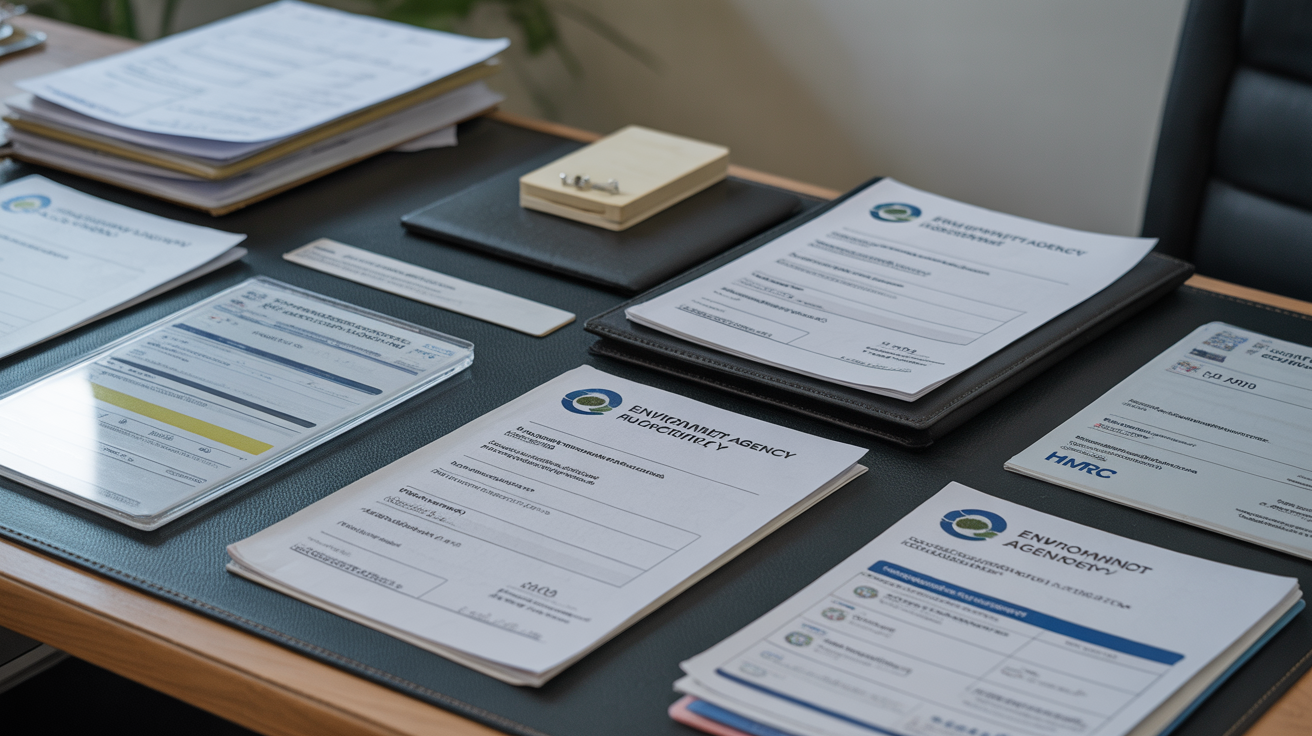
| License Type | Issuing Authority | Verification Method | Legal Requirement |
|---|---|---|---|
| Environment Agency Waste Carrier | Environment Agency | Online public register search | Mandatory under Scrap Metal Dealers Act |
| Money Laundering Supervision | HMRC or FCA | Check supervisor’s public register | Required for businesses handling precious metals |
| Consumer Credit License | Financial Conduct Authority | FCA register search | Required if offering loans against gold |
| Local Authority Trading License | Local Council | Contact council directly | Some areas require additional permits |
Environment Agency license numbers are publicly searchable and must be displayed on business premises. The Scrap Metal Dealers Act makes operating without this license a criminal offense carrying fines up to £5,000.
Anti-money laundering registration protects both buyer and seller. Licensed gold buyers must verify your identity, record transaction details, and report suspicious activities. This creates accountability that protects you from accusations of handling stolen goods.
Many legitimate gold buyers also hold insurance and bonding that covers customer losses. Ask to see proof of coverage before sending valuable items by post. Licensed buyers operating sell my gold bar or bullion services typically carry higher coverage due to transaction values.
How Do You Verify Professional Trade Membership?
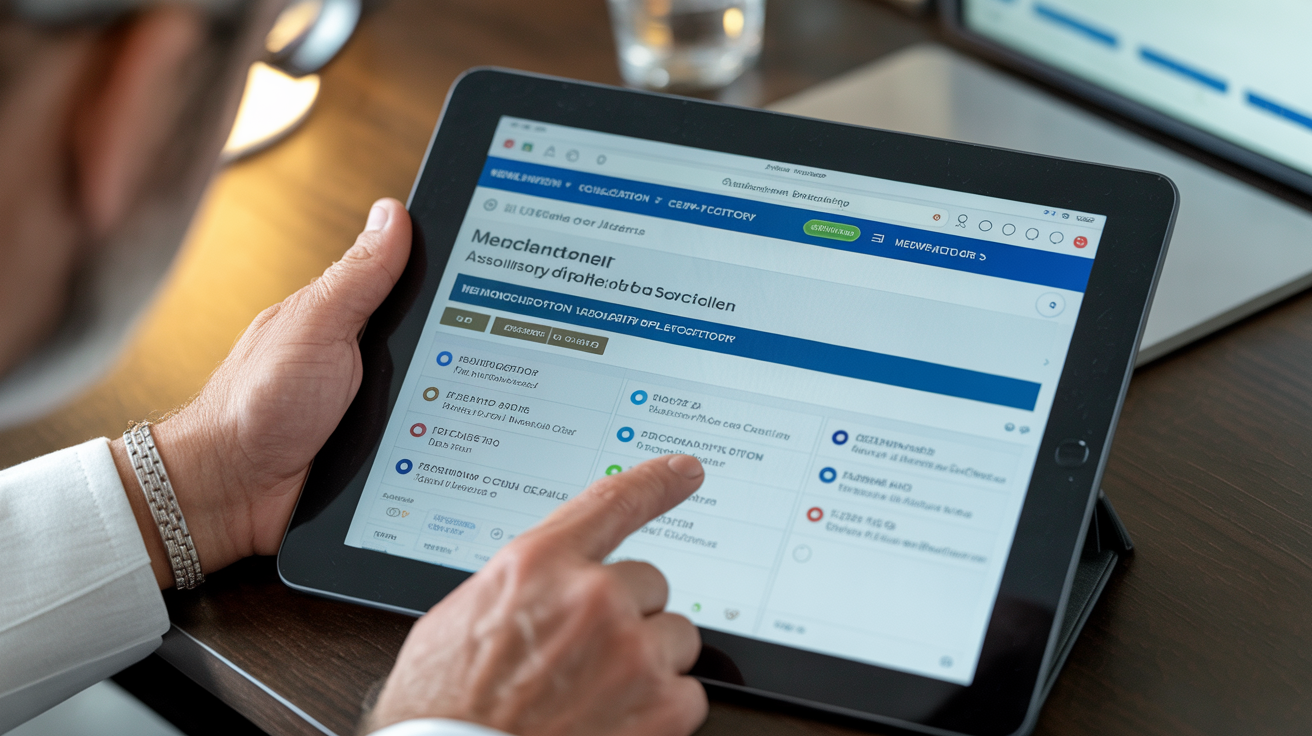
• Check the National Association of Jewellers member directory online for current membership status and any disciplinary actions against the business
• Contact the claimed trade body directly to confirm membership details, as fake certificates and logos are common in gold buying scams
• Look for continuing professional development certificates that show ongoing training in precious metals assessment and consumer protection
• Verify any specialist certifications in gold testing equipment or diamond evaluation if the buyer claims expertise in these areas
• Ask for membership numbers and cross-check them against public registers where available
National Association of Jewellers membership requires annual professional development and code of conduct compliance. Members face investigation and potential expulsion for consumer complaints or unethical practices.
Trade body membership provides dispute resolution services if problems arise. This gives you recourse beyond small claims court for transaction disputes. Non-members offer no professional oversight or complaint procedures.
Membership also indicates the buyer stays current with industry practices and legal changes. Gold buying regulations change frequently, and professional bodies update members on compliance requirements.
What Do Online Reviews Actually Tell You About Gold Buyers?
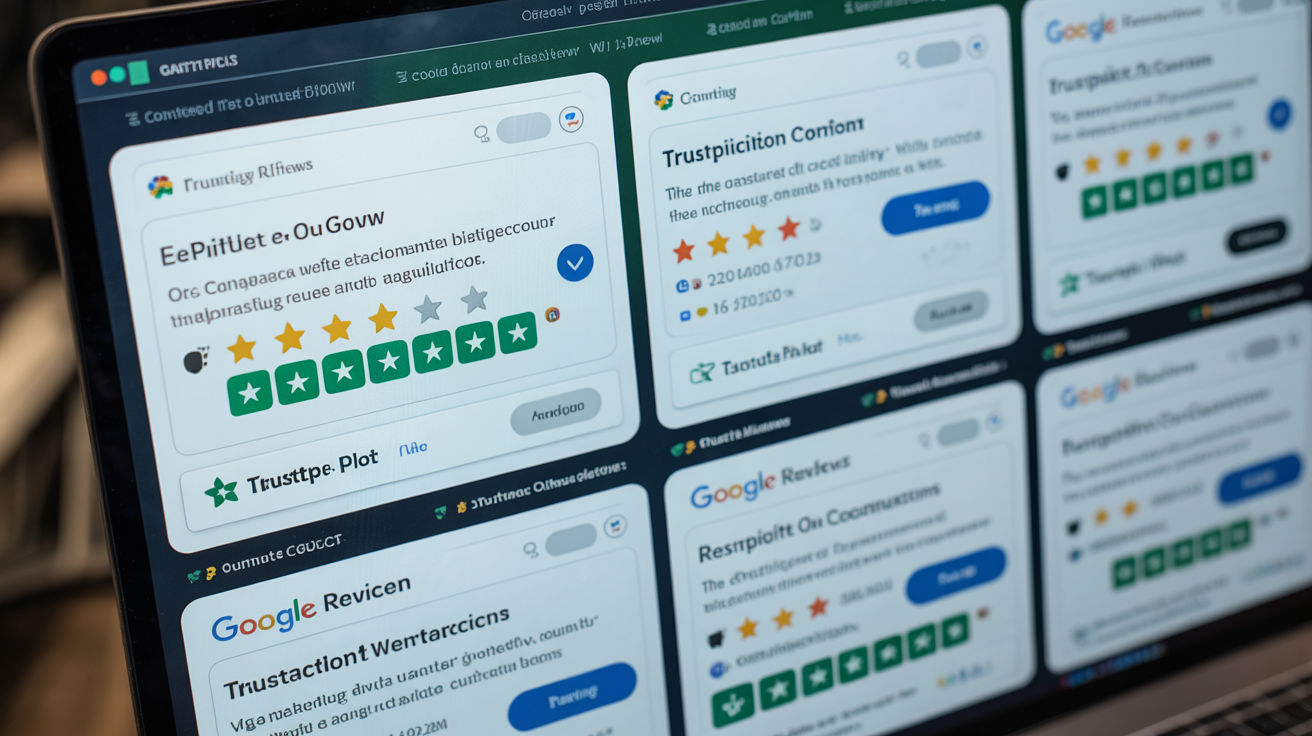
| Review Platform | Verification Level | Authenticity Markers |
|---|---|---|
| Trustpilot | Transaction verification required | “Verified” badge, detailed transaction descriptions |
| Google Reviews | Google account verification | Reviewer history, specific location mentions |
| Facebook Reviews | Profile verification | Friends/followers visible, timeline activity |
| Company Website | No verification | Often fake or heavily filtered |
Trustpilot’s verification system requires proof of transaction for reviews to be marked as verified. Look for this badge and read the review content for specific details about gold testing methods, payment speed, and communication quality.
Fake reviews often cluster around the same dates, use identical language patterns, or lack specific transaction details. Genuine reviews mention testing procedures, quote accuracy, and customer service experiences with concrete examples.
Suspicious review patterns include sudden spikes in positive reviews, reviews that focus more on general business quality than gold buying specifics, and reviewers with no other review history.
Check review dates against business registration dates. Companies cannot have five-star reviews from before they legally existed.
Does the Gold Buyer Have a Physical Premises Requirement?

Physical premises provide regulatory oversight and consumer protection that virtual operations cannot match. Trading Standards can only inspect and regulate gold buyers with physical UK premises, making enforcement possible when problems arise.
Verify business addresses by checking street view images and cross-referencing with council business rate records. Red flags include virtual offices, mail forwarding services, or residential addresses used for commercial gold buying operations.
The Scrap Metal Dealers Act requires licensed premises for gold buying activities. While some legitimate buyers operate postal services, they must maintain physical locations where authorities can inspect records and testing equipment.
Many gold buying scams use impressive websites with fake addresses or photos of premises they don’t actually occupy. Call the listed phone number during business hours and ask specific questions about their location and facilities.
Physical premises also enable face-to-face transactions where you can witness gold testing procedures and negotiate prices directly. This transparency protects both parties compared to postal-only services where you lose control once items leave your hands.
Frequently Asked Questions
How can you tell if a gold buyer’s website is real?
Check for a complete UK business address, valid Companies House registration number, and Environment Agency license details prominently displayed. Real gold buyers will also show their testing methods and provide transparent pricing information based on current market rates.
What should be on a legitimate gold buyer’s checklist?
A legitimate gold buyer checklist should verify Companies House registration, Scrap Metal Dealers Act compliance, NAJ or equivalent trade membership, and positive verified reviews. The buyer should also have a physical UK address and clear terms and conditions for transactions.
How do you check if gold buyer reviews are fake?
Look for verified purchase badges on Trustpilot, check review dates for suspicious clustering, and read the actual review content for specific details about the selling process. Fake reviews often use generic language and lack specific transaction details about testing procedures or payment methods.