

You can sell gold without reporting HMRC if your profits stay under the annual exemption limit. There’s no fixed limit on how much gold you can sell in the UK, but HMRC cares about your profits, not your sale amounts.
Key Takeaways:
• HMRC has no selling limit, you can sell £50,000 of gold legally without any declaration if you make no profit
• The £6,000 chattel rule means most inherited gold sales generate zero tax liability even with significant profits
• Identity checks for gold sales are AML compliance, not HMRC reporting, completely separate legal requirements
Is There Actually a Limit on How Much Gold You Can Sell?

HMRC sets no fixed selling limit for gold. You can legally sell thousands of pounds worth of gold without triggering any reporting requirements, provided you don’t make a profit that exceeds the annual exemption.
The confusion comes from mixing up two different concepts. Gold buyers must verify your identity under anti-money laundering rules. This creates the false impression that someone’s monitoring your sales volumes. They’re not.
Capital gains tax gold rules focus on your profit, not your sale value. If you inherited a gold necklace worth £500 and sell it for £600, HMRC cares about the £100 gain. If you sell a £10,000 gold bar you bought for £11,000, you made no profit to declare.
No legal maximum exists for gold sale values in the UK. The government doesn’t cap how much precious metal you can sell. Private collectors regularly sell entire coin collections or inherited jewellery collections worth tens of thousands without breaking any laws.
When people research tax selling gold UK, they often find American websites discussing $10,000 reporting thresholds. These don’t apply here. UK tax law operates completely differently from US precious metals regulations.
What Does HMRC Actually Want to Know About Your Gold Sales?
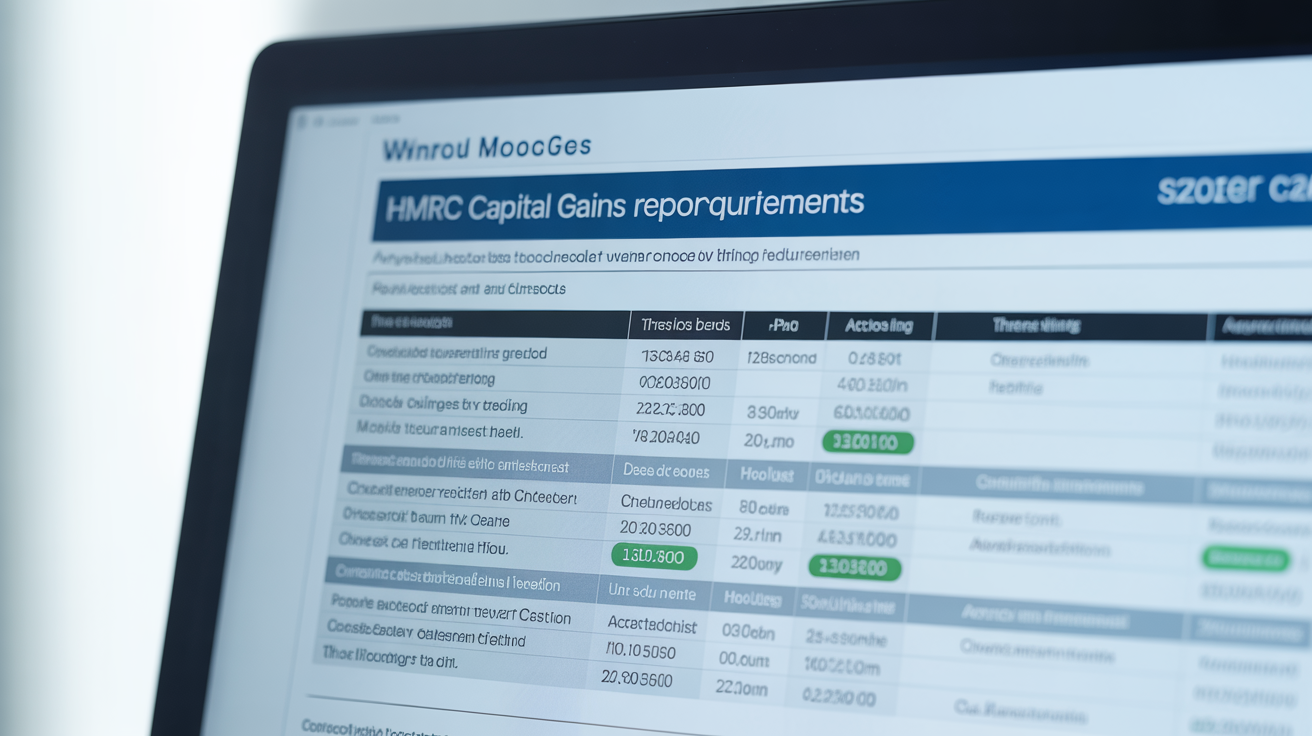
HMRC requires reporting of capital gains above annual exemption. The tax authority wants to know about your profits, not your transaction volumes or buyer details.
| Requirement | Threshold | Action Needed |
|---|---|---|
| Capital gains below £6,000 | No reporting | Continue as normal |
| Capital gains £6,000-£12,000 | Declare on self-assessment | File return, no tax due |
| Capital gains above £12,000 | Declare and pay CGT | File return and pay 10-20% |
The annual CGT exemption stands at £6,000 for 2024/25 tax year. This means you can make up to £6,000 profit from all your capital gains combined, not just gold, before HMRC wants to hear about it.
Self-assessment reporting becomes mandatory once your gains exceed the exemption. You must declare the sale on your tax return even if no tax is due. The deadline is 31 January following the tax year when you made the sale.
HMRC calculates your gain as sale price minus acquisition cost minus any selling expenses. If you sell my gold that belonged to your grandmother, the acquisition cost is its probate valuation, not what she originally paid for it.
The chattel rule provides additional protection for personal possessions. If an item was worth under £6,000 when you acquired it and sells for under £6,000, no CGT applies regardless of your profit margin.
Why Gold Buyers Demand ID But Don’t Report Sales to HMRC

AML compliance operates separately from HMRC tax reporting. These are two different legal frameworks serving different purposes with different requirements.
| Factor | AML Requirements | Tax Reporting |
|---|---|---|
| Purpose | Prevent money laundering | Calculate capital gains |
| Legal basis | Scrap Metal Dealers Act 2013 | Income Tax Act 2007 |
| Buyer obligations | Verify identity, keep records | None |
| Seller obligations | Provide valid ID | Self-declare if gains exceed exemption |
| Data sharing | Police access only | Seller reports to HMRC |
Scrap Metal Dealers Act 2013 requires ID for all gold purchases but creates no HMRC reporting obligation. Gold buyers must verify who you are and keep transaction records for six years. They don’t automatically send your details to HMRC.
Cash payments for gold are illegal under the same Act. All payments must be traceable, typically bank transfer or cheque. This traceability serves anti-money laundering purposes, not tax collection.
Police can access dealer records during investigations into stolen goods or criminal activity. HMRC can request specific records if they’re investigating your tax affairs. But there’s no automatic data feed between gold buyers and tax authorities.
When you understand what is scrap gold and decide to sell, the buyer’s ID check protects them legally. They need to prove they bought from a legitimate seller, not someone offloading stolen jewellery.
Common Myths About ‘Anonymous’ Gold Selling

UK gold sales cannot be truly anonymous. Several persistent myths create confusion about privacy and reporting requirements:
‘Cash sales avoid detection’, All legitimate gold purchases must use traceable payment methods. Cash transactions violate the Scrap Metal Dealers Act and legitimate buyers won’t risk their licence.
‘Small amounts don’t get recorded’, Every gold purchase gets recorded regardless of value. A £50 broken chain gets the same ID verification as a £5,000 collection.
‘Offshore buyers offer privacy’, UK residents pay CGT on worldwide gains. Selling to overseas buyers doesn’t change your tax obligations and complicates the transaction unnecessarily.
‘Inherited gold sales are tax-free’, Inheritance doesn’t affect the CGT rules. You pay tax on gains above the annual exemption, calculated from the probate value when you inherited the items.
UK hallmarking creates an additional identification trail. Hallmarked gold carries official marks linking it to specific assay offices and date ranges. This helps buyers verify authenticity but also creates a permanent record of legitimate UK gold.
The idea of truly private gold sales appeals to sellers worried about privacy. But legitimate buyers operate within a regulated framework that makes anonymous transactions impossible while protecting both parties legally.
When Do You Actually Need to Tell HMRC About Gold Sales?

Capital gains above £6,000 trigger self-assessment reporting. Follow this process to determine your obligations:
Calculate your total gains, Add up profits from all capital disposals during the tax year, not just gold sales. Include shares, property, and other assets.
Apply the annual exemption, Subtract £6,000 from your total gains. If the result is zero or negative, no reporting is required.
Check if you’re already in self-assessment, If you complete annual returns for other reasons (self-employment, rental income), include gold gains on the same return.
Register for self-assessment if needed, First-time filers must register by 5 October following the tax year when the sale occurred.
Complete and submit your return, Declare the gain and pay any tax due by 31 January deadline. Late filing incurs automatic penalties.
Self-assessment deadline is 31 January following the tax year when you made the sale. Sell gold in March 2024, and your deadline is 31 January 2025.
Profit threshold for declaration starts at £6,001 in total gains. This £1 over the exemption makes the entire amount taxable, not just the excess. A £6,100 gain results in £6,100 taxable, not £100.
Gold spot price movements affect your calculations. If you bought gold when prices were higher, you might make a loss even if you sell for more than you expected. Losses can offset gains from other asset sales.
When you sell my gold that’s been in the family for decades, use probate valuations or professional appraisals from when you inherited it. HMRC accepts reasonable valuations if you can’t find exact probate figures.
Frequently Asked Questions
Can I sell gold anonymously in the UK?
No legitimate gold buyer in the UK can purchase gold anonymously. The Scrap Metal Dealers Act 2013 requires all buyers to verify your identity and keep records of the transaction. However, this identity verification is for anti-money laundering compliance, not tax reporting.
Do gold buyers automatically report my sales to HMRC?
No, gold buyers don’t automatically report individual sales to HMRC. They’re required to keep transaction records for AML purposes, but there’s no direct reporting link to HMRC unless specifically requested during a tax investigation. You’re responsible for declaring any capital gains on your self-assessment.
What happens if I sell more gold than my CGT exemption covers?
If your capital gains from gold sales exceed the annual CGT exemption (currently £6,000), you must declare the excess gains on your self-assessment tax return. You’ll pay capital gains tax at either 10% or 20% depending on your total taxable income for that tax year.