

Most gold sellers lose hundreds of pounds because they never check what their gold is worth before accepting the first quote they receive. A sell my gold calculator UK gives you the power to verify any dealer’s offer against real market prices.
Key Takeaways:
- Gold calculators give you 95% accuracy on scrap value using current LBMA spot price and your gold’s exact weight and carat
- 22ct gold currently pays £47.20 per gram while 9ct pays £19.68 per gram, a £3,000 difference on a 100g item
- Buyers typically pay 75-85% of calculator results, so a £500 calculator value should yield £375-425 in actual quotes
Understanding gold selling prices UK starts with knowing your item’s true melt value. Without this baseline, you’re negotiating blind when you sell my gold to any buyer.
What Information Do You Need for an Accurate Gold Calculator Result?
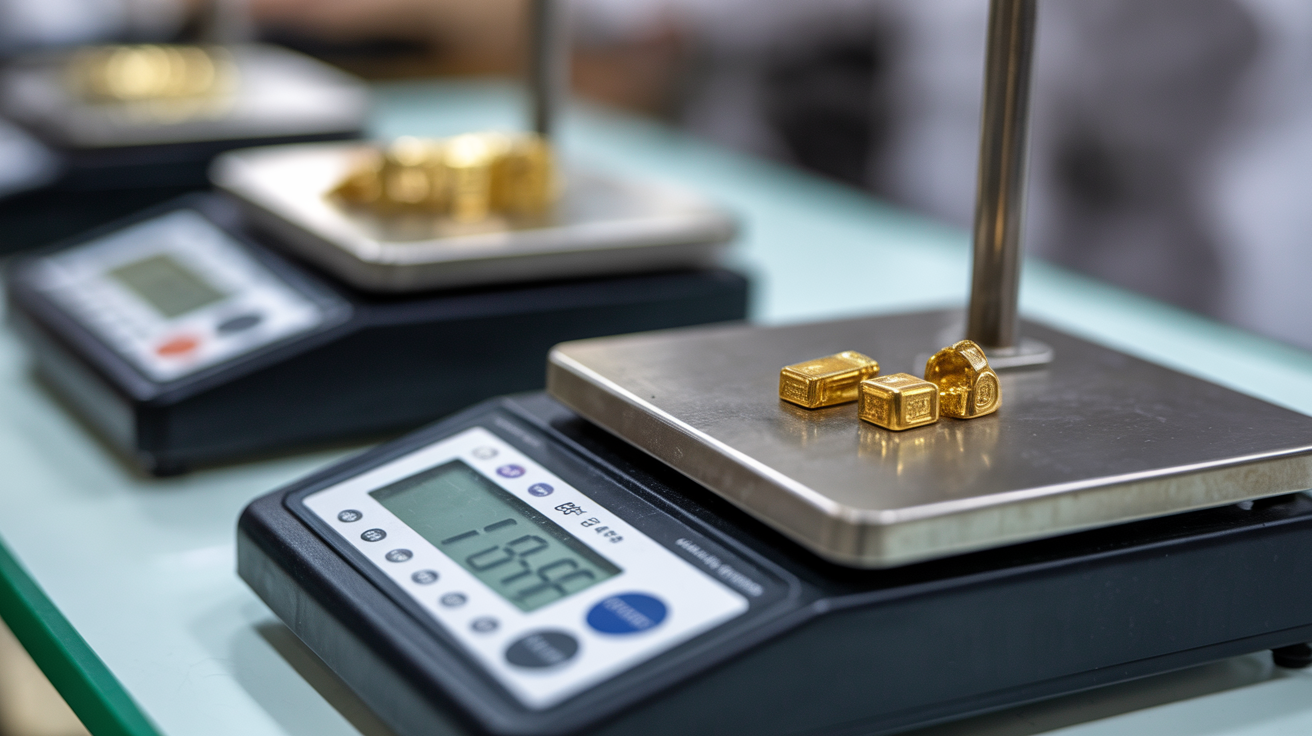
Gold calculators are mathematical tools that convert your gold’s physical properties into current market value. This means they need three precise inputs to produce reliable results.
First, you need the exact weight in grams. Kitchen scales won’t cut it. Digital jewellery scales measuring to 0.1 grams give the accuracy required for valuable items. The calculator uses this weight as the foundation for all subsequent calculations.
Second, you need your gold’s purity level. Gold purity determines what percentage of your item’s weight consists of pure gold versus alloy metals. A 10-gram 9ct ring contains 3.75 grams of pure gold, while the same weight in 22ct contains 9.17 grams. When you read gold hallmarks, you’re identifying this critical purity percentage.
Third, you need the current LBMA gold fix price. The London Bullion Market Association sets benchmark gold prices twice daily. LBMA spot price updates every 15 minutes during trading hours, creating constant price fluctuations that calculators must reflect.
Troy ounce conversion complicates the process because gold trades in troy ounces while UK jewellery weighs in grams. Professional calculators handle this conversion automatically, but manual calculations require precise conversion factors.
Step-by-Step: How to Calculate Your Gold’s Value by Hand
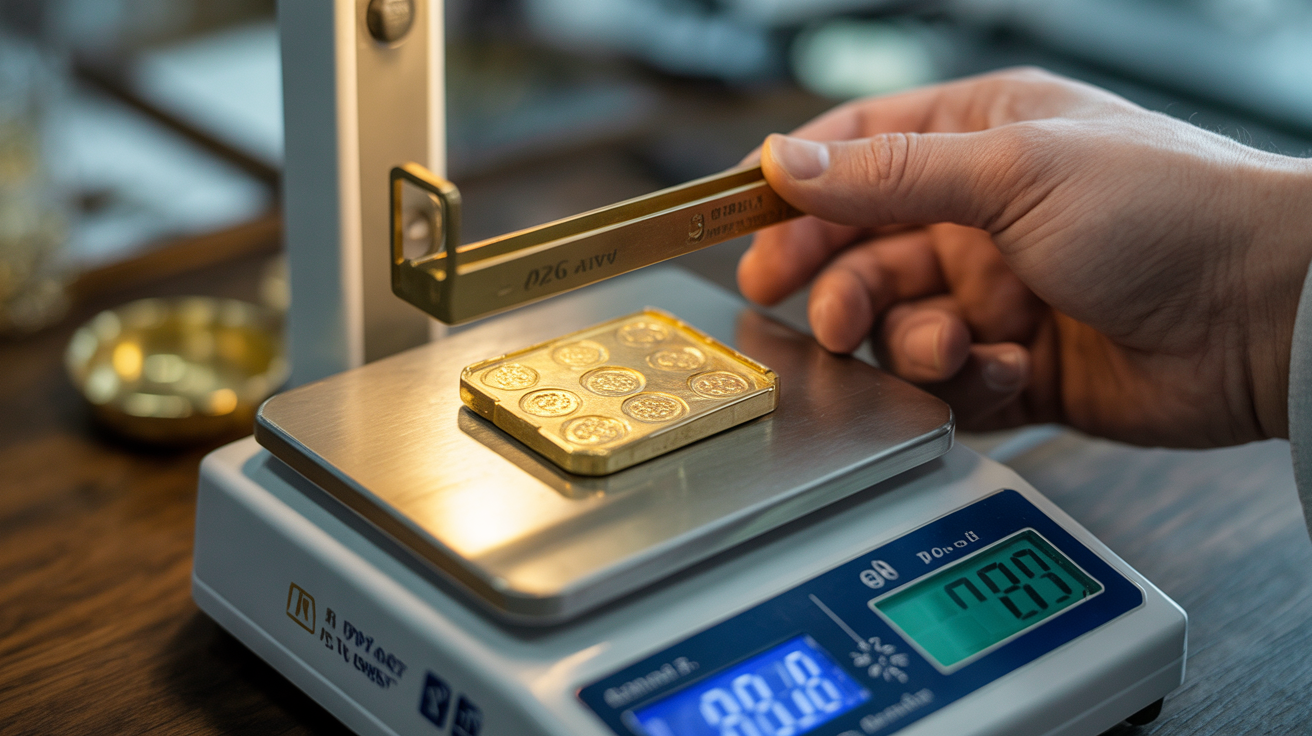
Weigh your gold item using digital scales accurate to 0.1 grams. Remove any stones or non-gold components first, only the metal itself counts toward sellable weight.
Identify the purity from hallmarks or stamps. Look for numbers like 375 (9ct), 750 (18ct), or 916 (22ct), these show the gold content per 1,000 parts.
Get the current LBMA spot price in pounds per troy ounce. Check financial websites or precious metals dealers for live pricing, avoid outdated quotes.
Convert the spot price to grams by dividing by 31.1035. One troy ounce equals 31.1035 grams exactly, so a £1,500 per ounce spot price becomes £48.23 per gram.
Multiply the per-gram price by your purity percentage and item weight. For a 10-gram 18ct item: £48.23 × 0.75 (purity) × 10 grams = £361.73 melt value.
The calculation seems straightforward, but rounding errors accumulate quickly. Professional calculators maintain precision throughout the process, while manual calculations often drift by several pounds on heavier items.
Worked Examples: 9ct, 18ct, and 22ct Gold Value Calculations
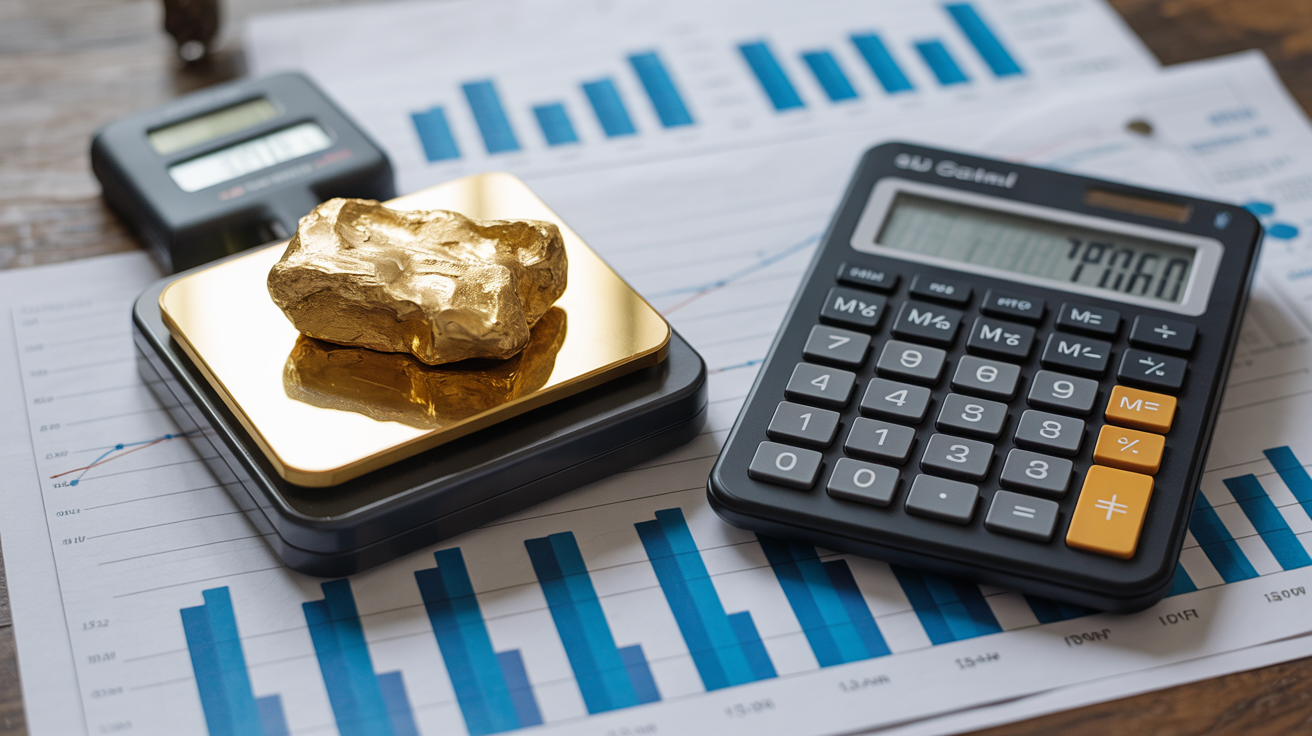
Using a 50-gram gold sample and current LBMA pricing demonstrates how purity affects final value. These examples use £1,550 per troy ounce (£49.84 per gram) as the baseline.
| Carat Level | Purity Percentage | Pure Gold Content | Value Per Gram | Total Value |
|---|---|---|---|---|
| 9ct Gold | 37.5% | 18.75g | £18.69 | £934.50 |
| 18ct Gold | 75% | 37.5g | £37.38 | £1,869.00 |
| 22ct Gold | 91.67% | 45.84g | £45.69 | £2,284.50 |
The difference between 9ct and 22ct gold reaches £1,350 on a 50-gram item. This gap explains why many sellers feel cheated when they assume all “gold” pays the same rate.
9ct gold contains 37.5% pure gold, meaning 62.5% consists of copper, silver, or other alloy metals. Buyers pay only for the gold content, not the total weight. 18ct gold contains 75% pure gold, doubling the precious metal content compared to 9ct. 22ct gold contains 91.67% pure gold, making it nearly pure but retaining enough alloy for durability.
These calculations assume perfect conditions, no gemstones, no damage, no testing losses. Real-world results typically fall 2-3% below calculator predictions due to refining realities.
How Do You Account for Gemstones and Non-Gold Components?
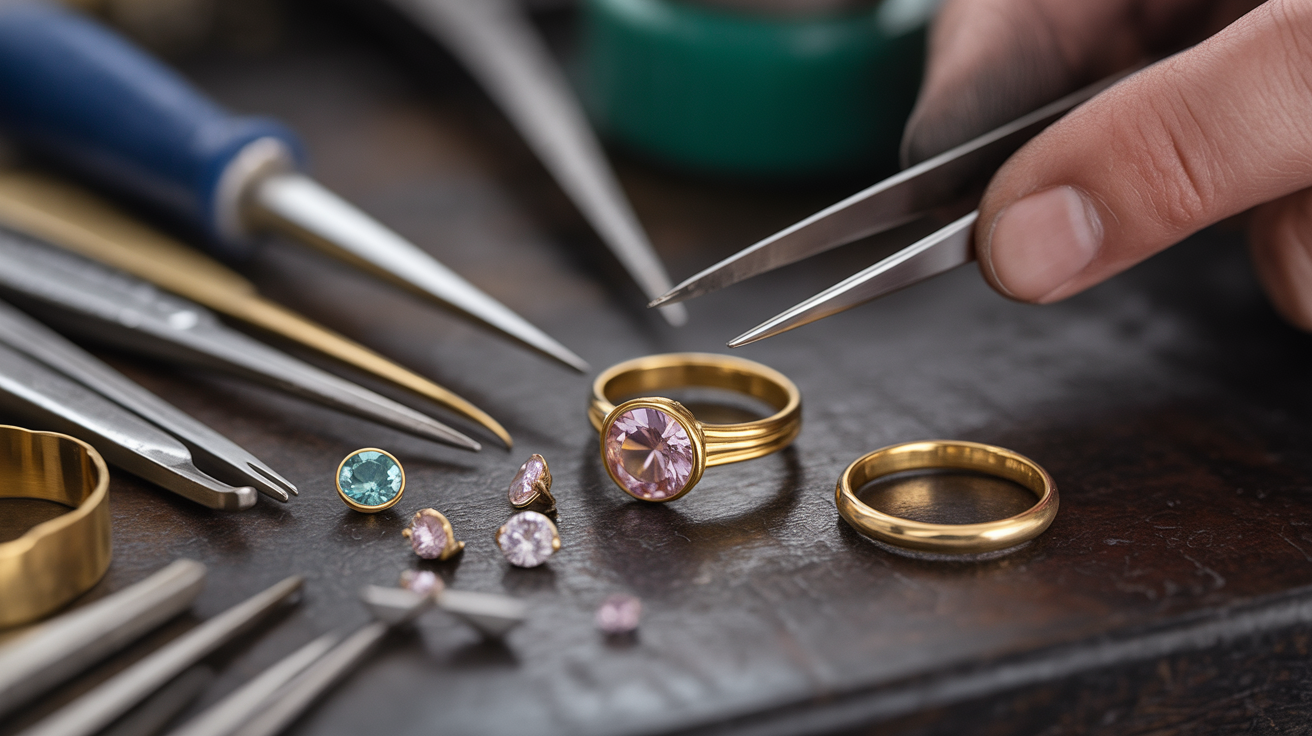
Gemstone weight reduces your sellable gold content because buyers don’t pay for diamonds, emeralds, or other stones set into jewellery. Most dealers remove stones before weighing, but understanding the impact helps verify their calculations.
- Subtract all gemstone weight from your total before calculating. A typical 1-carat diamond weighs 0.2 grams and must be subtracted from total weight.
- Account for clasps, springs, and mechanisms in watches or bracelets. These components often use lower-purity gold or different metals entirely.
- Consider enamel, pearls, and decorative elements. Anything non-metallic reduces the weight available for gold extraction.
- Factor in significant solder joints or repairs. Previous repairs might introduce lower-purity gold or different metals into the piece.
Estimating gemstone weight without professional tools requires visual comparison. Small diamonds (under 0.25ct) rarely affect calculations significantly, but larger stones or multiple gems can reduce values by 10-15%. When in doubt, weigh the item with stones, then use tweezers to remove what you can and weigh again.
Some sellers worry about losing valuable stones, but reputable buyers return removed gems or credit their appraised value separately. Never send items with valuable stones to buyers who don’t explicitly offer stone return services.
Calculator Result vs Dealer Quote: What to Expect
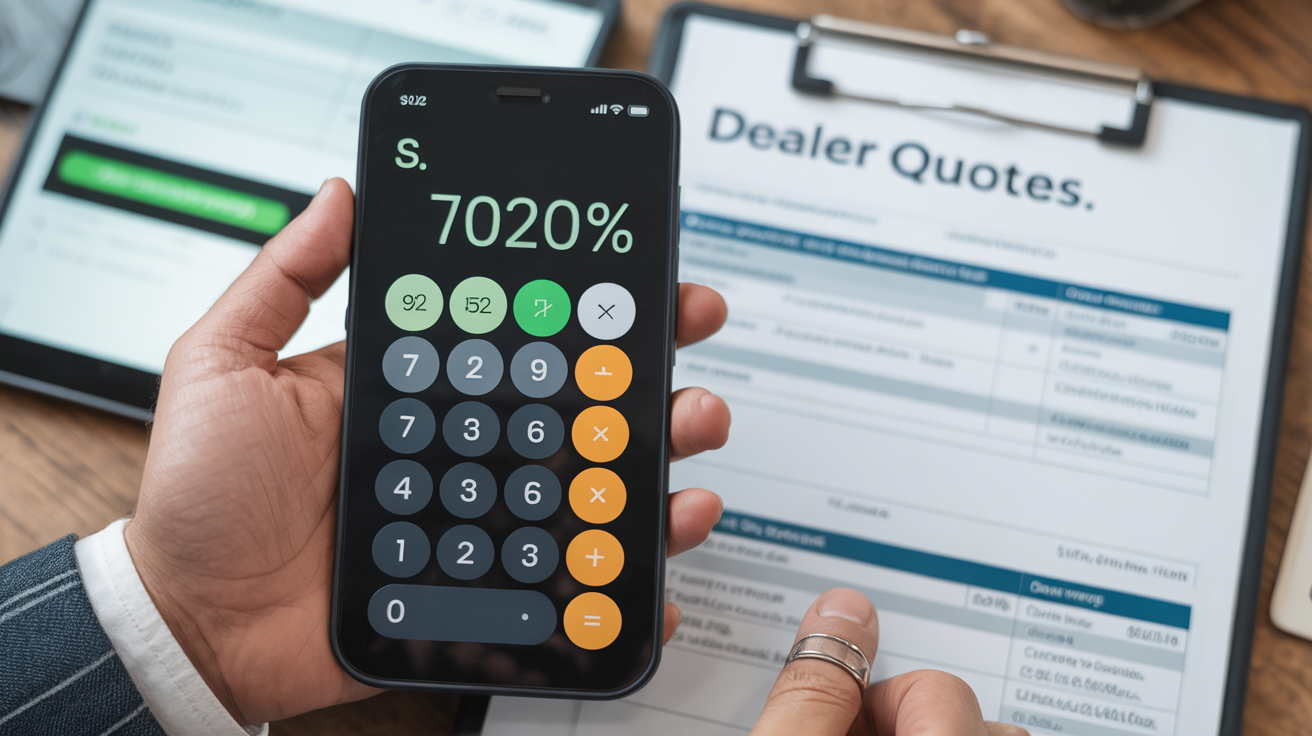
Dealer quotes typically pay 75-85% of calculator results because real-world selling involves costs that calculators don’t include. Understanding these deductions helps you evaluate quotes properly.
| Buyer Type | Typical Payout Percentage | Calculator Value | Expected Quote |
|---|---|---|---|
| High Street Shops | 65-75% | £500 | £325-375 |
| Online Gold Buyers | 75-85% | £500 | £375-425 |
| Specialist Refiners | 80-90% | £500 | £400-450 |
Payout percentage represents the gap between pure melt value and actual offers. Reputable UK gold buyers typically pay 75-85% of melt value after refining costs. This deduction covers testing, melting, refining, and business overheads that calculators ignore.
Gold spot price fluctuations affect both calculator results and dealer quotes, but timing matters. If gold prices rise between your calculation and their quote, expect higher offers. If prices fall, quotes drop accordingly. Lock in quotes quickly during volatile periods.
What to expect when selling gold depends on market conditions and buyer selection. Use calculator results to identify suspiciously low offers, anything below 70% of melt value deserves scrutiny unless the gold has unusual complications.
Beware of buyers offering exactly calculator values or claiming “100% of spot price” deals. These offers usually hide fees elsewhere or use inflated spot prices to disguise lower actual payouts.
Frequently Asked Questions
How often should I check gold calculator prices before selling?
Gold prices fluctuate every 15 minutes during trading hours, so check the calculator on the day you’re getting quotes. A price difference of £20 per ounce can change your item’s value by hundreds of pounds.
Can I use a gold calculator for items without hallmarks?
Yes, but you’ll need to estimate the purity first using visual tests or acid testing. Most unhallmarked imported gold tests 2-3 carat levels below its stamps, so factor this into your calculation.
Why don’t gold buyers pay the full calculator amount?
Calculators show pure melt value, but buyers deduct 15-25% for refining costs, testing fees, and profit margins. This is normal, use the calculator to verify their percentage is reasonable, not to expect 100% payout.