

Gold coin valuation service UK providers reveal that most coin owners lose hundreds of pounds because they get valuations from buyers instead of independent appraisers who work for the seller. When you sell my gold coins without proper assessment, you might accept bullion pricing for items worth thousands more due to rarity or condition premiums.
Key Takeaways:
• Professional numismatic appraisals cost £25-£75 per coin but can reveal premiums worth 200-500% above bullion value
• Certified coin grading adds authentication documentation that increases sale prices by 15-30% versus raw coins
• Bullion value calculations use only gold content and spot price while numismatic appraisals factor in rarity, condition, and collector demand
When Do Gold Coins Need Professional Appraisal vs Simple Bullion Valuation?
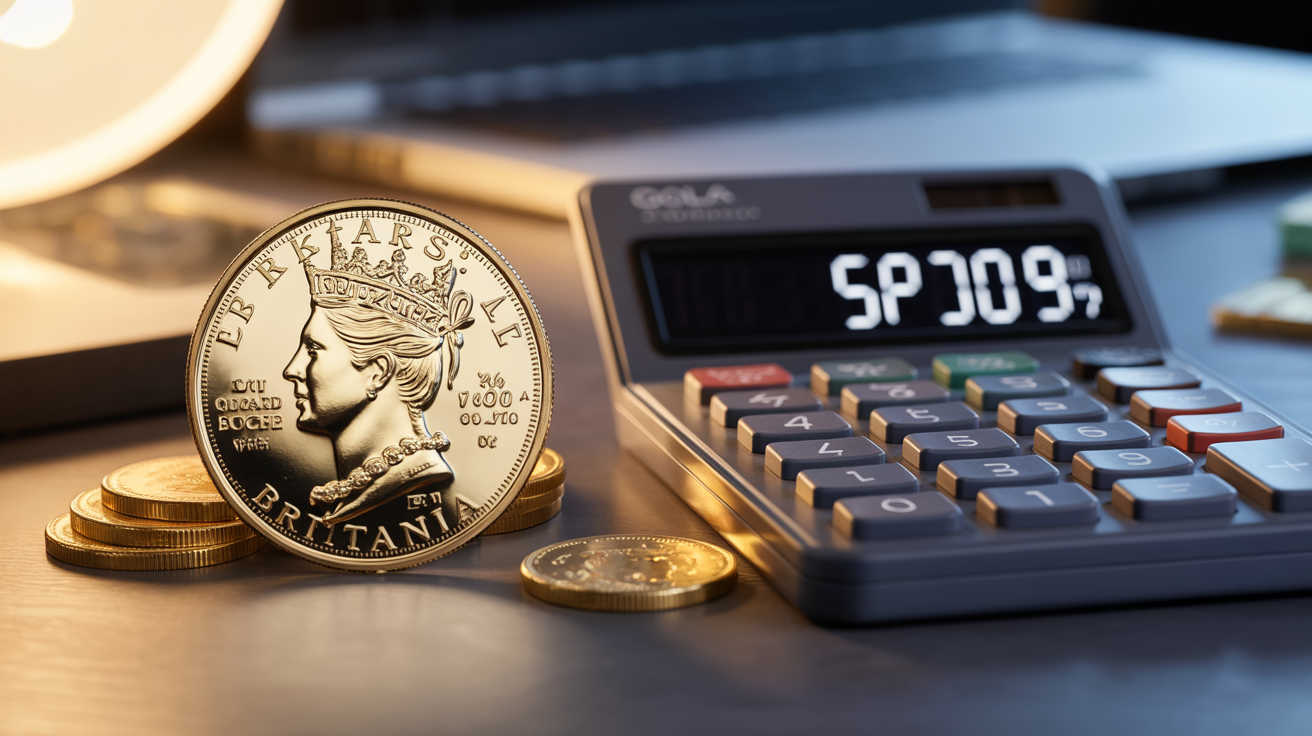
Professional appraisal determines numismatic premium versus bullion value. This means examining factors beyond gold content that can multiply a coin’s worth.
Modern bullion coins like Gold Britannias and Sovereigns trade close to gold spot price. You can calculate their value using weight and current gold prices. These coins serve as investment vehicles, not collectibles. A simple bullion calculation covers most transactions when you sell my gold through standard dealers.
Older coins, proof versions, or limited mintages need professional assessment. Pre-1933 Sovereigns, Victorian issues, or coins with mint errors carry collector premiums. A 1887 Jubilee Head Sovereign might contain £350 of gold but sell for £800 due to scarcity. Without professional evaluation, you’ll only receive bullion value.
Numismatic premiums can add 200-500% above gold spot price for rare coins. This premium depends on historical significance, mintage numbers, and condition grade. The difference between a coin dealer’s quote and a certified appraiser’s assessment often measures in hundreds of pounds. Dealers quote buying prices while appraisers determine fair market value.
Professional appraisal costs become worthwhile when potential premiums exceed £100-200 per coin. For inherited collections or coins predating 1970, independent assessment protects against leaving money on the table.
What Do Professional Coin Grading Scale Standards Actually Mean?
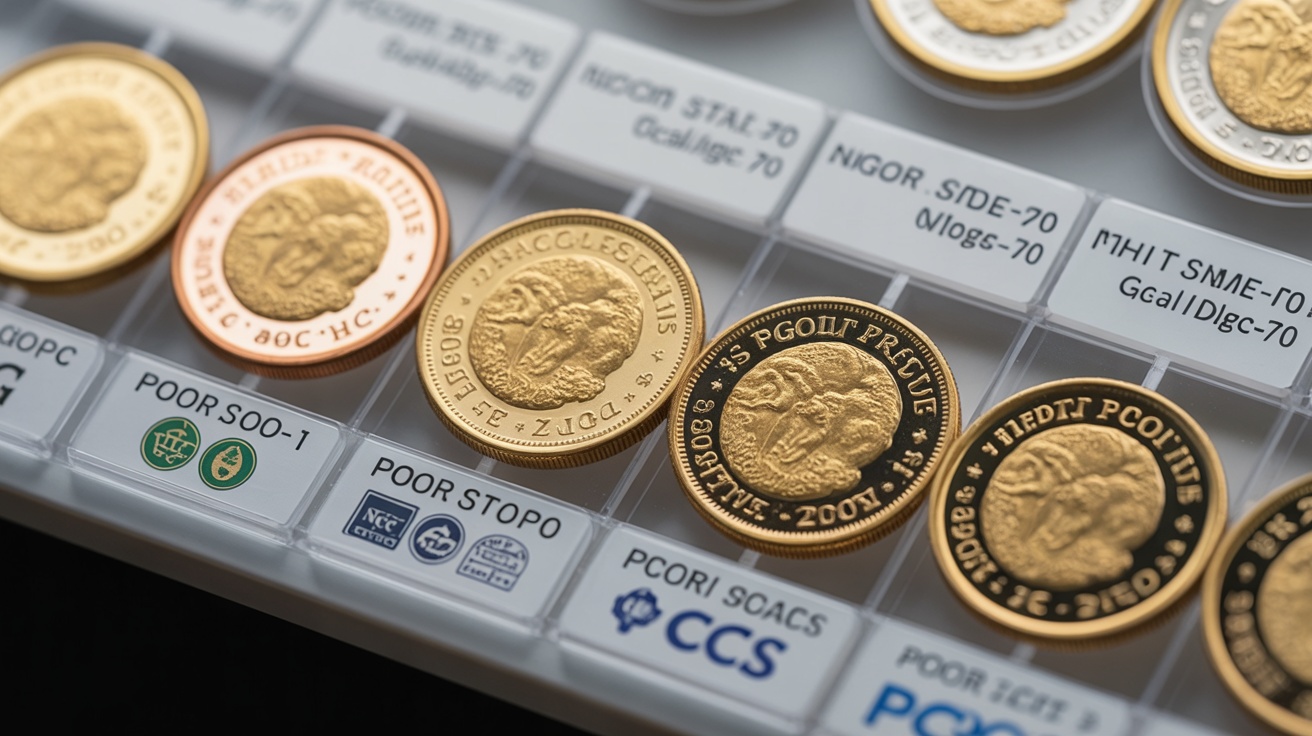
Coin grading scale standards classify condition from Poor-1 to Mint State-70 using the Sheldon numerical system. NGC and PCGS dominate UK certification, applying this 70-point scale to determine market value.
| Grade Range | Condition Description | Market Impact |
|---|---|---|
| MS-65 to MS-70 | Mint State – Uncirculated | Premium pricing |
| AU-50 to AU-58 | About Uncirculated | Moderate premium |
| EF-40 to EF-45 | Extremely Fine | Bullion plus small premium |
| VF-20 to VF-35 | Very Fine | Primarily bullion value |
| F-12 to F-15 | Fine | Bullion value or below |
A Sovereign graded MS-65 can sell for 40% more than the same coin graded MS-63. Two numerical points create massive price differences because collectors pay premiums for exceptional preservation.
Grading examines surface preservation, strike quality, and luster retention. MS-65 coins show minor contact marks visible under magnification. MS-63 coins display moderate marks affecting eye appeal. These distinctions mean hundreds of pounds in sale proceeds.
Authentication certificate process provides documented proof of genuineness and grade through third-party verification. Professional graders examine each coin under microscopes, checking for alterations, cleaning damage, or counterfeiting. The authentication certificate process includes digital photography and tamper-evident holders that preserve the assigned grade.
UK collectors trust NGC and PCGS certifications because both services maintain consistent grading standards across decades of operations.
How Does the Authentication Certificate Process Actually Work?
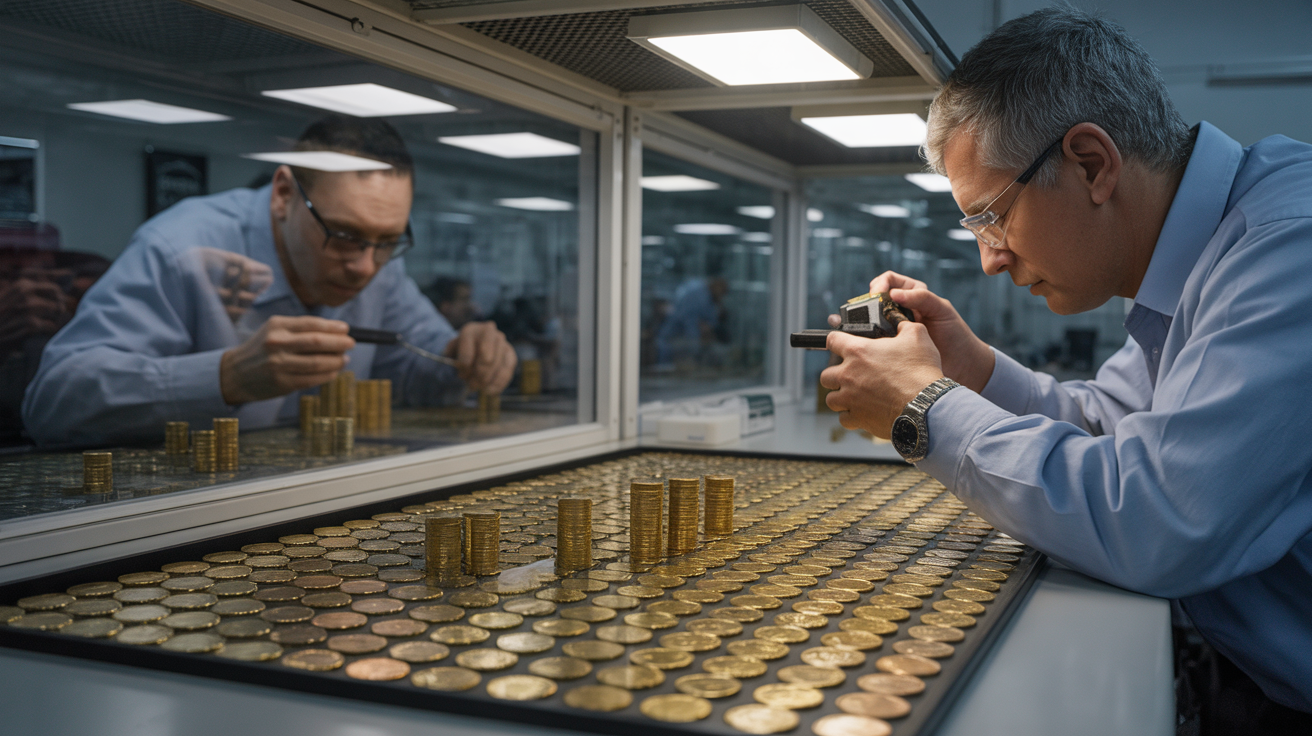
Submit coins to certification services through authorized dealers or direct submission. You complete submission forms detailing each coin’s details and desired service level.
Graders examine each coin under controlled lighting and magnification. They check authenticity markers, surface condition, and assign numerical grades based on standardized criteria.
Photography captures high-resolution images showing obverse, reverse, and edge details. These images become part of the permanent certification record.
Coins get sealed in tamper-evident holders with certification labels. The holder displays the grade, service number, and authenticity guarantee.
Digital verification allows grade confirmation through online databases. You can verify any certified coin using the certification number.
Return shipping delivers certified coins back to submitters. Standard service takes longer but costs less than expedited options.
NGC certification takes 15-20 business days for standard service and costs £18-£35 per coin. Economy service stretches to 30-45 days but reduces costs to £12-£25 per coin. Express service delivers results in 5-10 days for £35-£50 per coin.
Turnaround times fluctuate during peak submission periods. Budget extra time during busy seasons or when significant coin discoveries generate submission backlogs. Actually, submission timing affects both cost and speed – avoid peak periods unless urgency justifies premium pricing.
What Documents Do You Need for Proper Appraisal Valuation?
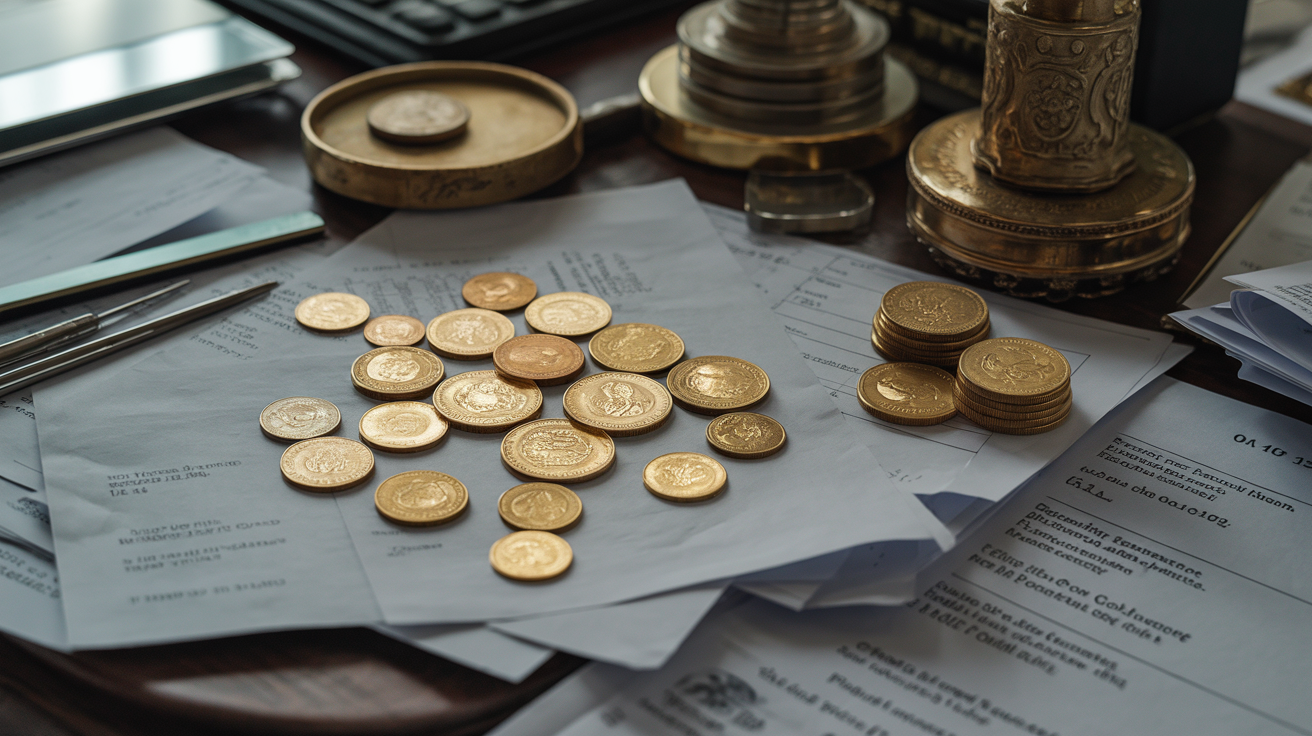
Appraisal documentation requirements establish provenance and ownership history for accurate valuation. Missing paperwork affects both assessment confidence and potential tax implications.
Original purchase receipts prove acquisition cost and date for capital gains tax calculations. These receipts establish your base cost, preventing HMRC from treating the entire sale proceeds as taxable gain.
Inheritance documentation includes probate records, will extracts, or estate inventory listings. These papers demonstrate legal ownership transfer and provide valuation dates for CGT purposes.
Previous insurance appraisals offer baseline valuations but may not reflect current market conditions. Insurance valuations often exceed actual sale prices by 20-40% to cover replacement costs.
Certification records from prior grading services provide authenticated condition assessments. These certificates remain valid unless the coin gets damaged or cleaned after certification.
Purchase location records help establish authenticity for coins bought from reputable dealers. Auction house records, dealer invoices, or coin show receipts add credibility to ownership claims.
Original purchase receipts can establish CGT base cost and avoid 20% tax on the full sale proceeds. Without documentation proving acquisition cost, HMRC assumes zero base cost for inheritance items acquired before probate valuation. This assumption can create unnecessary tax liability on coins held for decades.
Missing documentation doesn’t prevent appraisal but may reduce confidence in attribution or dating. Professional appraisers work with available evidence while noting documentation gaps in their reports.
Where Can You Actually Find Qualified Coin Appraisers in the UK?

Qualified coin appraisers provide independent valuations separate from buying operations. This distinction matters because coin dealers offer purchase quotes while certified appraisers determine fair market value.
| Qualification Type | Cost Range | Service Level |
|---|---|---|
| Certified Numismatist | £50-£150 per hour | Comprehensive written reports |
| British Numismatic Society Member | £25-£75 per coin | Professional assessment |
| Auction House Expert | £100-£300 per collection | Pre-sale consultation |
| Independent Coin Dealer | £30-£60 per coin | Verbal or basic written opinion |
Certified numismatists charge £25-£75 per coin while dealer ‘valuations’ are sales quotes designed to secure inventory. The American Numismatic Association certifies professionals through examination and experience requirements. UK members of this organization provide credible assessments.
British Numismatic Society membership indicates serious numismatic study and professional standing. Members often specialize in specific periods or denominations, bringing deep knowledge to valuations.
Auction houses employ specialists who understand current market conditions and collector demand. Their expertise comes from daily exposure to actual transaction prices rather than theoretical values.
Avoid ‘free valuations’ from coin shops because these serve sales purposes rather than independent assessment. Shop owners quote prices they’re willing to pay, not fair market value. The difference between purchase quotes and independent appraisals can measure 20-40% for collectible coins.
When you check gold buyer legitimate UK services, certified appraisers provide the documentation needed to verify buyer quotes against actual market values. This verification protects against accepting below-market offers from any single buyer.
Frequently Asked Questions
How much is my gold coin worth?
Your gold coin’s worth depends on whether it has numismatic value above its gold content. Bullion coins like Sovereigns and Britannias trade close to gold spot price, while collectible coins can carry premiums of 200-500% above gold value based on rarity and condition. Use a sell my gold calculator UK tool for bullion estimates, but rare coins need professional assessment.
Where can I find professional coin appraisal near me?
Look for certified numismatists through the British Numismatic Society or International Association of Dealers in Ancient, Oriental and Primitive Art. Avoid ‘free valuations’ from coin dealers since these are purchase quotes, not independent appraisals. Consider whether a pawnshop vs gold dealer approach fits your needs, but neither provides true appraisal services.
What’s the difference between numismatic value and bullion value?
Bullion value equals the gold content multiplied by current spot price. Numismatic value includes premiums for rarity, historical significance, condition, and collector demand. Most modern bullion coins trade at bullion value while older or rare coins carry numismatic premiums that professional appraisal can quantify.
Do I need certification to sell my gold krugerrand or other bullion coins?
Modern bullion coins like Krugerrands trade based on gold content rather than condition grades. Certification adds costs without meaningful value for standard bullion transactions. However, proof versions or coins in exceptional condition might benefit from grading to document their premium status.