

When you sell my gold bar in the UK, you’re dealing with the most straightforward precious metal investment to offload, but also the one most likely to trigger a hefty capital gains tax bill if you don’t know the rules.
Key Takeaways:
• Gold bars are subject to 20% capital gains tax unlike UK legal tender coins
• Original assay cards and sealed packaging can add 2-5% to your sale price
• 1oz bars typically sell fastest while 10oz+ bars command better per-gram rates
What Types of Gold Bars Can You Actually Sell in the UK?

A gold bar is a rectangular ingot of refined gold produced by an accredited refinery to standardised weight and purity specifications. This means you’re dealing with products that follow strict industry standards, making them easier to value and sell than jewellery or scrap gold.
Cast bars are the cheaper option. Refineries pour molten gold into moulds, creating bars with a rustic appearance and slight weight variations. Minted bars go through additional pressing and finishing steps, resulting in mirror-like surfaces and precise dimensions.
The market recognises standard denominations: 1g, 2.5g, 5g, 10g, 1oz, 50g, 100g, 250g, 500g, and 1kg bars. Each size targets different investors and budgets. Major refineries like PAMP Suisse, Perth Mint, and Metalor dominate UK distribution.
Bullion bar certification appears as hallmarks, serial numbers, and assay marks stamped directly onto the gold. These marks prove the bar meets London Bullion Market Association standards. Without proper certification, you’re selling unverified gold at a significant discount.
Smaller bars (under 1oz) often carry decorative designs or special edition artwork. These aesthetic touches don’t add value beyond marketing appeal. Focus on weight and purity rather than appearance when calculating worth.
How Much Are Your Gold Bars Actually Worth?

| Bar Weight | Current Spot Value (£) | Typical Premium | Expected Sale Price |
|---|---|---|---|
| 1g | £62 | 8-12% | £57-60 |
| 10g | £620 | 5-8% | £580-610 |
| 1oz | £1,930 | 3-5% | £1,850-1,900 |
| 100g | £6,200 | 2-4% | £6,000-6,100 |
| 1kg | £62,000 | 1-2% | £61,000-61,500 |
Gold bar value depends on weight multiplied by current gold spot price, minus the buyer’s margin and any applicable premiums. The London Bullion Market Association publishes the benchmark gold spot price twice daily in US dollars, which UK dealers convert to pounds sterling.
Smaller bars trade at higher premiums over spot price because production costs get spread across less gold. A 1g bar might trade at 8-12% above spot, while a 1kg bar rarely exceeds 2% premium. This pattern reverses when selling, you’ll receive proportionally less for smaller denominations.
Numismatic premium applies to bars from prestigious refineries or with special edition designs. PAMP Suisse bars with their distinctive Lady Fortuna design might fetch £5-10 extra per ounce. Most standard bars carry no numismatic premium whatsoever.
Timing matters for spot price calculations. Gold prices fluctuate throughout trading hours, and dealers quote prices valid for limited periods. A quote given at 9am might expire by noon if markets move significantly.
Why Your Bar’s Packaging and Documentation Matters
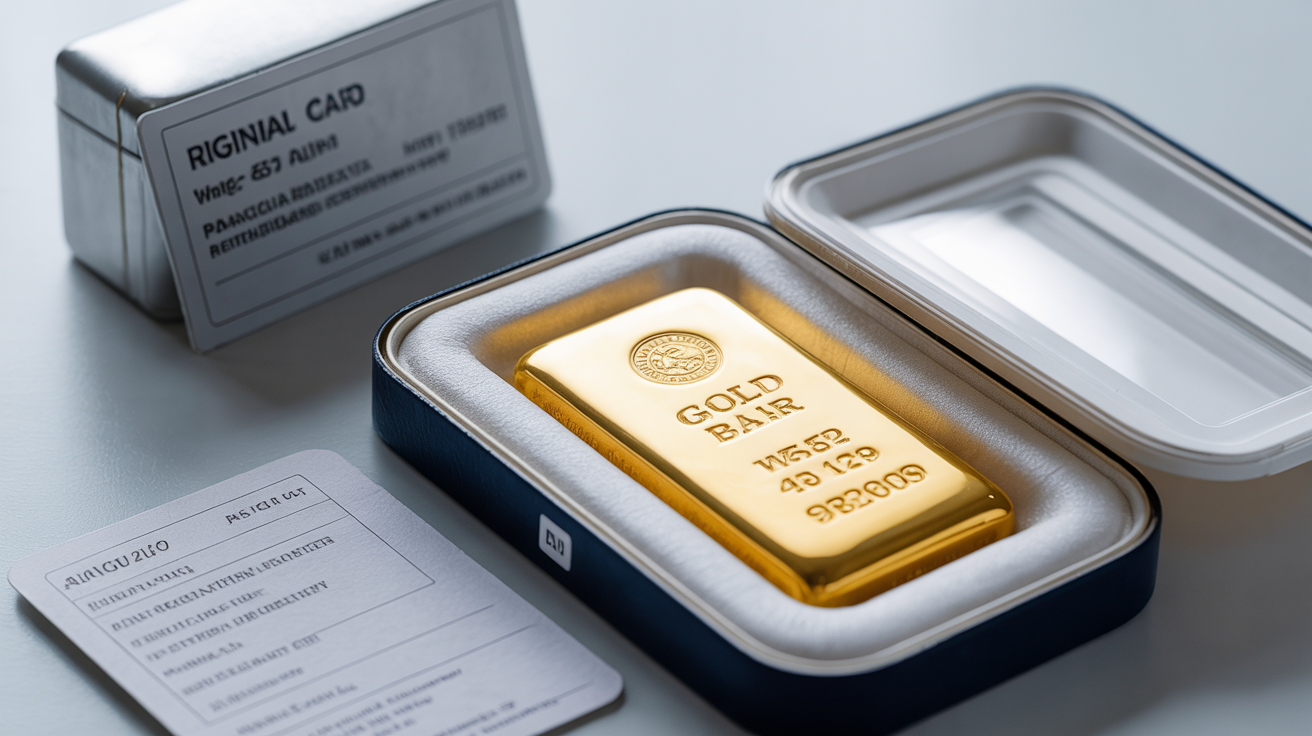
Original packaging protects your investment and proves authenticity to buyers. Here’s what complete documentation includes:
• Assay card or certificate showing exact weight, purity, and refinery details with matching serial numbers
• Sealed plastic case or blister pack preventing tampering and maintaining mint condition
• Security hologram or tamper-evident seals that break if the packaging gets opened
• Chain of custody documentation from dealer to customer showing legitimate purchase history
Assay cards prove bar authenticity and purity without requiring expensive testing. These cards contain the refinery’s guarantee that your bar meets stated specifications. Buyers pay more for bars with matching documentation because they skip verification steps.
Sealed bars command premium pricing because tampering becomes obvious. Once you break factory seals, buyers assume the bar might have been altered, tested, or contaminated. The 2-5% price difference often exceeds the curiosity value of opening the package.
Bullion bar certification extends beyond physical documentation. Established refineries maintain databases linking serial numbers to production records. Buyers can verify legitimate bars through these systems, adding confidence to high-value transactions.
Missing documentation doesn’t make bars unsellable, but expect longer processing times and lower offers. Dealers need to verify authenticity through acid testing, electronic verification, or third-party assay services.
What Capital Gains Tax Rules Apply to Gold Bar Sales?
| Gold Investment Type | CGT Liability | Annual Exemption | Tax Rate |
|---|---|---|---|
| Gold bars | Subject to CGT | £6,000 | 20% on gains |
| UK legal tender coins | CGT exempt | N/A | 0% |
| Foreign gold coins | Subject to CGT | £6,000 | 20% on gains |
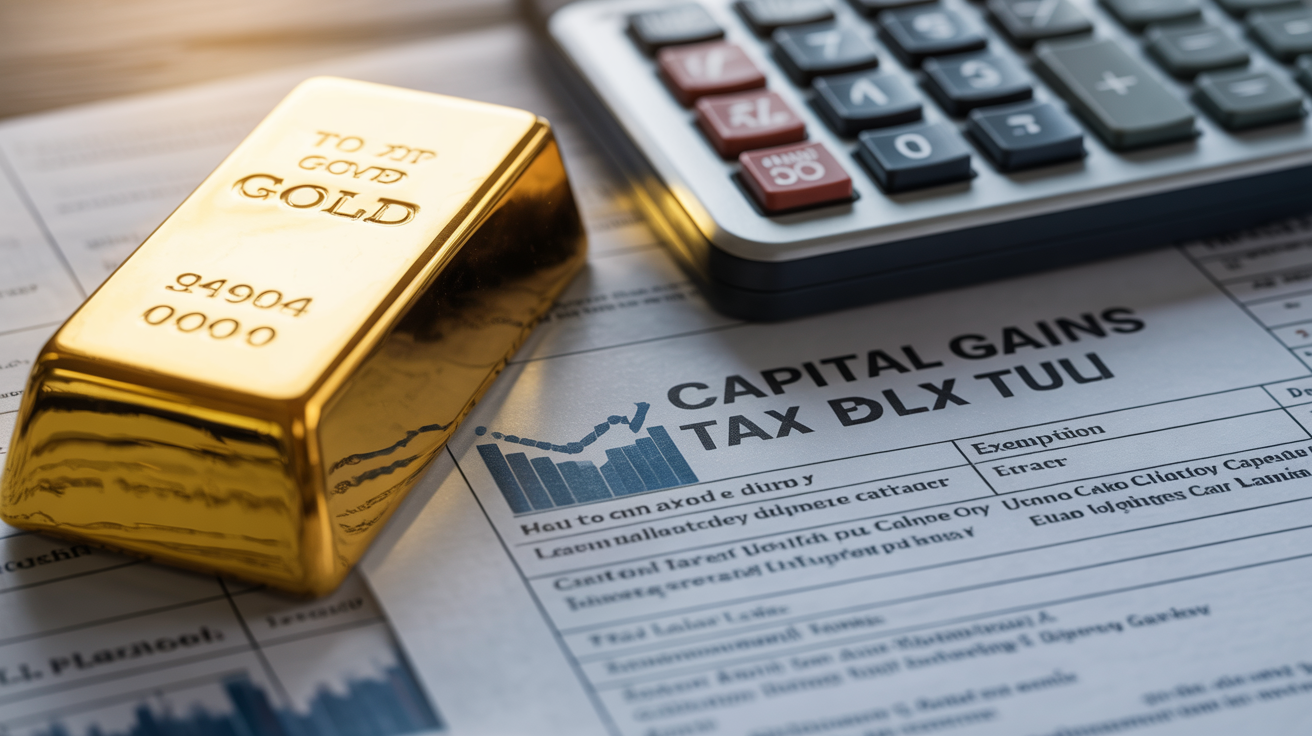
Gold bars are subject to capital gains tax on any profit above the £6,000 annual exemption. HMRC treats bars as chargeable assets, meaning you’ll pay 20% tax on gains exceeding this threshold. This differs significantly from UK legal tender coins like Sovereigns and Britannias, which qualify for full CGT exemption.
Capital gains tax applies to the difference between your purchase price and sale proceeds. If you bought a 1oz bar for £1,500 and sold it for £2,000, your £500 gain counts toward the annual allowance. Multiple sales throughout the tax year get aggregated.
Record-keeping requirements demand proof of purchase price, sale price, and holding period. Keep dealer invoices, bank statements, and sale confirmations for at least six years. Without proper documentation, HMRC might challenge your claimed purchase price.
The £6,000 annual exemption covers all capital gains, not just precious metals. If you’ve already used this allowance on other investments, your gold bar profits face full taxation from the first pound.
Where Should You Actually Sell Your Gold Bars?

| Buyer Type | Typical Rate | Processing Time | Minimum Order | Testing Method |
|---|---|---|---|---|
| Specialist bullion dealers | 98-99% of spot | 1-2 days | No minimum | Electronic verification |
| Coin shops | 95-97% of spot | Same day | £100+ | Acid test + scales |
| Online platforms | 92-96% of spot | 3-5 days | £50+ | Third-party assay |
| Pawnshops | 85-90% of spot | Same day | Any amount | Basic acid test |
Specialist bullion dealers offer the best rates because they understand bar markets and have established trading relationships. These companies buy bars for resale to other investors, allowing them to pay closer to spot prices. Gold buyer verification becomes essential when dealing with high-value bars.
Established dealers like Atkinsons Bullion, BullionByPost, and Chards maintain professional testing equipment and insurance coverage for large transactions. They’ll verify bars through electronic testing, weight measurement, and serial number checking.
Online platforms provide convenience but often impose lengthy verification processes and lower rates. Some platforms hold funds for 7-10 days while they complete authentication procedures. Factor these delays into your timing considerations.
Local coin shops might struggle with larger bars due to capital constraints. A shop comfortable buying 1oz bars might decline 100g+ pieces because they lack immediate buyers. Always confirm capacity before travelling with valuable items.
Compare multiple quotes before committing. Gold buyer verification should include checking dealer credentials, insurance coverage, and complaint history through industry associations.
Frequently Asked Questions
Can I sell gold bars without the original packaging?
Yes, you can sell gold bars without original packaging, but expect to receive 2-5% less than sealed bars. Buyers will need to verify authenticity through testing, which adds time and reduces their confidence in the purchase. The verification process might involve acid testing or electronic analysis, both of which create small marks on your bar.
Do I need to pay tax when I sell my gold bars?
Gold bars are subject to capital gains tax at 20% on any profit above the £6,000 annual exemption. Unlike UK legal tender gold coins, bars don’t qualify for CGT exemption regardless of how long you’ve held them. Keep detailed records of purchase and sale prices to calculate your liability accurately.
Are smaller gold bars harder to sell than larger ones?
Smaller bars (1oz and under) actually sell faster due to lower entry price points, but you’ll pay higher premiums per gram when buying and receive proportionally less when selling. Larger bars offer better value per gram but have a smaller buyer pool due to higher capital requirements and verification complexities.