
Sell my diamond wedding ring, that’s what thousands of UK sellers search for every month, expecting their sparklers to command premium prices. Most diamond wedding rings and eternity rings sell for their platinum or gold weight, not their diamond value.
Key Takeaways:
- Wedding bands with diamonds under 0.10 carats typically sell for metal weight only, stones add no resale value
- Eternity rings need minimum 0.50 total carat weight across all stones to command diamond premium pricing
- Complete wedding sets (engagement ring + band) sell for 15-25% more than individual pieces when sold together
What Type of Diamond Wedding Ring Are You Actually Selling?

A diamond wedding ring is any band containing diamonds worn alongside or instead of a plain wedding band during marriage. This means buyers classify your ring into distinct categories that determine valuation approach.
Accent diamond bands feature small stones (usually 0.05-0.10 carats each) set into channels or prong settings around part of the band. Channel-set wedding bands hold tiny diamonds in continuous grooves running around the entire circumference. Full eternity rings contain diamonds covering the complete band circumference, while half-eternity rings feature stones across only the visible front portion.
Wedding band classification matters because buyers apply different pricing strategies. Accent diamonds under 0.10 carats per stone get ignored during valuation, buyers focus entirely on the platinum diamond setting’s metal weight. Your beautiful channel-set band with twenty 0.03-carat stones gets treated as scrap metal, not diamond jewellery.
Full eternity rings with larger individual stones (0.15+ carats each) might qualify for diamond pricing if the total carat weight exceeds buyer thresholds. Half-eternity rings fall somewhere between, depends on stone sizes and total weight.
Why Do Small Wedding Ring Diamonds Get Valued on Metal Weight Only?

Small diamond metal-weight bias results from extraction and resale costs that exceed the stones’ commercial value. Diamonds under 0.10 carats cost more to extract and grade than their resale value, making them commercially worthless to buyers.
Removing tiny diamonds from wedding ring settings requires skilled labour and specialised tools. Each stone needs careful extraction to avoid damage, then sorting by size and quality. The process takes time, and time costs money. Meanwhile, the resale market for melee diamonds (industry term for small stones) pays pittance.
Diamond 4Cs grading becomes meaningless at tiny sizes. Colour and clarity differences invisible to naked eyes don’t affect pricing for stones under 0.10 carats. Cut quality matters little when the diamond disappears in most lighting conditions. Weight remains the only significant factor, and these weights generate minimal value.
Diamond buyer expertise focuses on stones worth extracting. Professional buyers know which sizes generate profit margins and which create losses. Your 0.05-carat accent diamonds might look impressive in quantity, but each individual stone lacks commercial viability.
Buyers would rather melt your platinum diamond setting and sell the metal than spend labour costs extracting worthless diamonds. The platinum content generates reliable profit margins. The diamonds generate headaches.
How Do Buyers Value Eternity Rings vs Standard Wedding Bands?

| Ring Type | Minimum Carat Weight | Valuation Approach |
|---|---|---|
| Accent diamond band | Any size | Metal weight only |
| Half-eternity ring | 0.50 total carats | Metal + possible diamond premium |
| Full eternity ring | 1.00 total carats | Metal + diamond valuation |
| Designer eternity ring | 0.75 total carats | Metal + brand premium possible |
Eternity ring total carat weight determines premium pricing eligibility through buyer threshold systems. Most buyers ignore diamond content below 0.50 total carats across all stones combined. Above this threshold, they might consider individual diamond values using simplified 4Cs grading.
Full eternity rings need minimum 1.00 total carat weight to sell above metal value in most cases. This threshold reflects extraction economics and resale market realities. Stones large enough to justify removal and grading start around 0.10 carats each, meaning you need 10+ individual diamonds of this size.
Platinum diamond setting weight affects the metal value baseline. Eternity rings use more metal than standard bands due to structural requirements for holding multiple stones. Platinum content might exceed the potential diamond premium, making metal-only pricing more profitable for sellers.
Diamond 4Cs grading becomes relevant only when total carat weight justifies assessment costs. Buyers won’t pay for professional grading unless the stones generate sufficient value to cover expenses. Your beautiful eternity ring with 0.80 total carats sits in valuation limbo, too small for full diamond treatment, too large to ignore completely.
Should You Sell Your Wedding Set Together or Separately?
| Selling Method | Typical Return | Best For |
|---|---|---|
| Wedding set together | 20-30% premium over individual | Designer brands, matching styles |
| Engagement ring alone | Higher percentage of individual value | Large centre stone (1+ carat) |
| Wedding band alone | Metal weight pricing | Non-designer, small accent diamonds |
| Broken down for stones | Variable, usually lower | Loose stone collectors only |
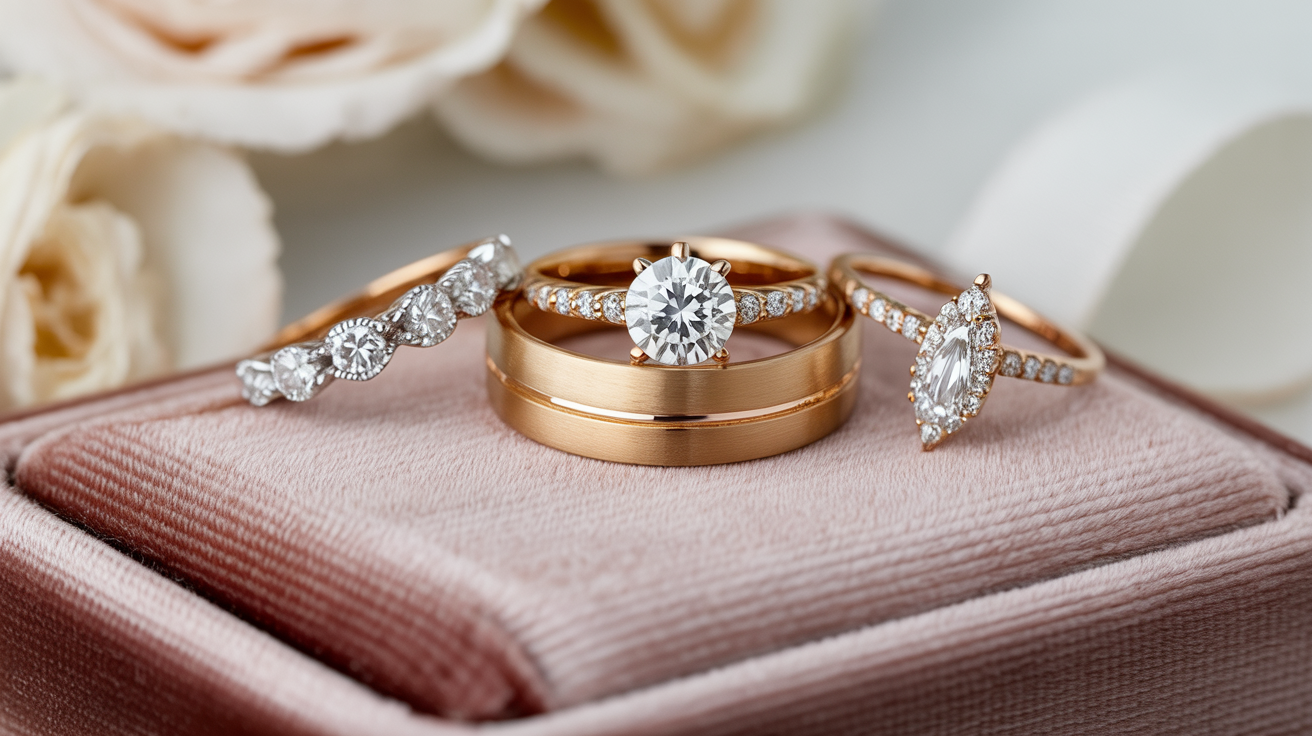
Wedding set bundle value exceeds individual piece sales by 15-25% when buyers recognise matching designs and complementary styles. Complete sets appeal to buyers seeking ready-made solutions for resale customers.
Designer diamond brand provenance commands the highest premiums for complete sets. Tiffany, Cartier, and other luxury brands generate 20-30% premiums when sold complete versus separated. The brand recognition and matching aesthetic justify higher pricing.
Engagement ring selling as individual pieces works better when the centre stone exceeds 1.00 carats. Large diamonds generate independent value that outweighs set premiums. Small centre stones (under 0.50 carats) benefit more from set pricing.
Timing affects set versus individual strategies. Buyers seeking inventory for Valentine’s Day or Christmas often pay premiums for complete wedding sets. Summer months typically show lower demand for bridal jewellery.
What Should You Expect When Selling Coloured Diamond Wedding Rings?

Get GIA certification before selling. Natural fancy coloured diamonds require GIA colour grading certificates for any premium pricing, as most buyers cannot assess colour authenticity visually.
Find specialist coloured diamond dealers. Standard gold and diamond buyers lack expertise in fancy colour grading and typically offer scrap metal pricing for coloured stones.
Verify natural versus treated origins. Heat-treated or irradiated diamonds sell for significantly less than natural fancy colours, but many sellers cannot distinguish between treatments.
Expect longer selling timelines. Coloured diamond rarity requires specialist buyer assessment, meaning fewer potential purchasers and extended marketing periods compared to white diamond sales.
Research current colour premiums. Pink, blue, and yellow diamonds command different premiums based on current market demand and rarity factors that change over time.
Coloured diamond rarity requires specialist buyer assessment because standard diamond 4Cs grading systems don’t adequately address fancy colour characteristics. Most high-street diamond buyers cannot properly evaluate coloured stones.
Diamond buyer expertise becomes critical with coloured stones. Colour intensity, hue combinations, and origin determination require specialised knowledge and equipment that general buyers lack.
How Do You Separate Sentimental Value from Market Reality?

Accept the 75-90% value loss from retail pricing. Wedding rings typically resell for 10-25% of original retail price regardless of personal significance or emotional attachment to the pieces.
Focus on practical factors that actually affect pricing. Metal weight, diamond sizes above 0.10 carats, and brand recognition influence value, purchase price and sentimental memories do not.
Compare multiple buyer quotes to establish realistic ranges. Single quotes often misrepresent market value, while three quotes from different buyer types reveal actual pricing patterns.
Consider timing flexibility versus immediate cash needs. Patient sellers might achieve 10-15% higher returns by waiting for better market conditions or finding specialist buyers.
Remember that insurance valuations overstate resale reality. Insurance appraisals typically show 2-3 times actual resale values because they reflect replacement costs, not secondary market pricing.
Sentimental versus market value creates unrealistic seller expectations because emotional attachment has no commercial relevance to buyers. Your wedding ring represents years of marriage and personal memories. Buyers see metal weight and stone sizes.
Wedding ring diamond value depends on measurable characteristics that buyers can verify and resell. The romantic story behind your purchase, the special occasion when you received it, and your emotional connection to the piece generate zero additional value in commercial transactions.
Platinum diamond setting quality affects durability and metal recovery costs, but original purchase circumstances remain irrelevant. Buyers evaluate what they can recover and resell, not what the piece meant to previous owners.
Frequently Asked Questions
Can I sell my diamond wedding band in the UK if it’s not hallmarked?
Yes, you can sell unhallmarked diamond wedding bands in the UK. Buyers will test the metal purity using acid tests or electronic testing, but expect lower offers since they cannot verify the gold or platinum content through official hallmarks.
How much is my diamond wedding ring actually worth compared to what I paid?
Diamond wedding rings typically resell for 10-25% of their original retail price. The resale value depends primarily on the metal weight and whether your diamonds are large enough (over 0.10 carats each) to command separate diamond pricing.
Where can I get my wedding set valued before selling?
Professional jewellery valuers certified by the Institute of Registered Valuers can appraise wedding sets for insurance or probate purposes. However, these valuations typically show much higher values than actual resale prices you’ll receive from buyers.