

To sell Tiffany diamond ring UK pieces for maximum value, you need specialist buyers who understand brand premiums. Most designer diamond rings sell for 20-40% of retail price, but certain brands command premiums that can double your payout compared to unbranded pieces.
Key Takeaways:
• Tiffany & Co. and Cartier rings sell for 25-40% of original retail price when complete with original packaging
• Van Cleef & Arpels and Harry Winston pieces command the highest resale premiums at 30-50% of retail for rare designs
• Original boxes, certificates, and purchase receipts can increase your payout by 15-25% with specialist luxury buyers
Which Designer Diamond Brands Actually Command Resale Premiums?
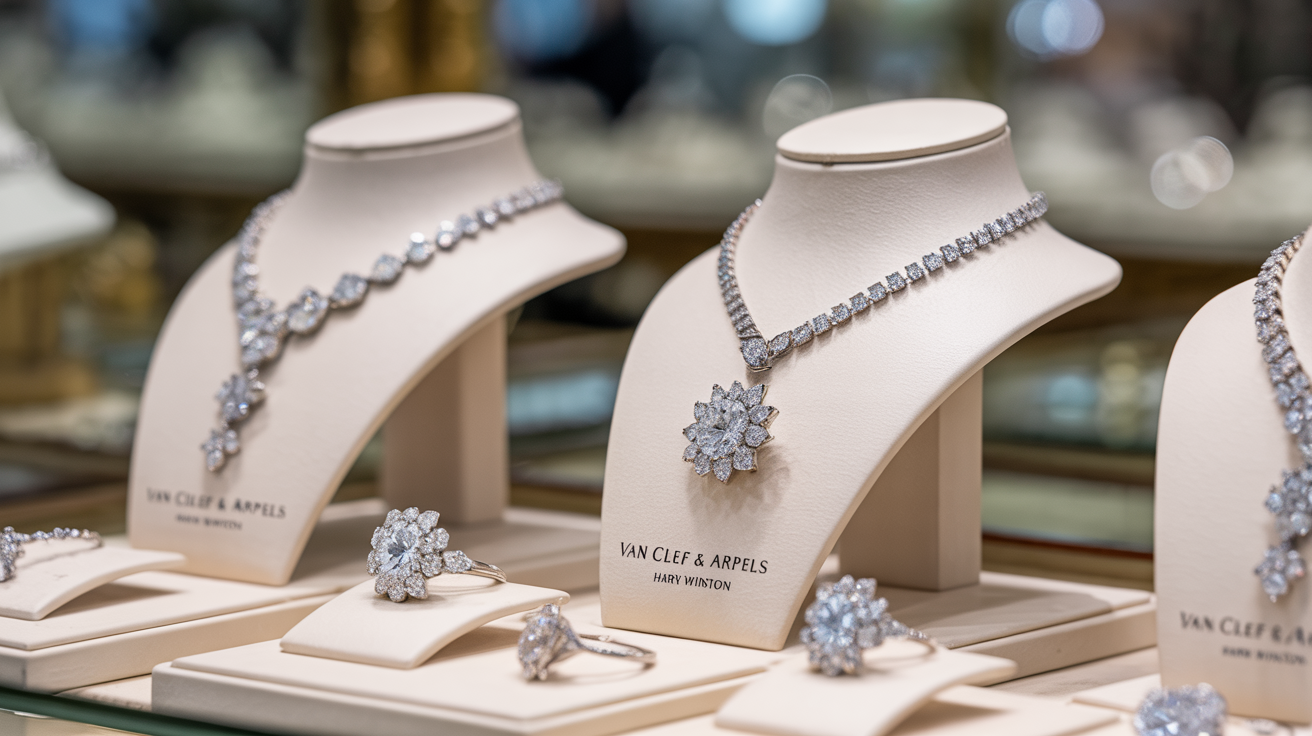
Designer diamond brands command specific resale premiums based on recognition, heritage, and market demand. The luxury brand hierarchy directly affects what you’ll receive when selling.
| Brand Tier | Resale Premium | Retail Recovery |
|---|---|---|
| Van Cleef & Arpels, Harry Winston | 30-50% premium | 35-50% of retail |
| Tiffany & Co., Cartier | 15-25% premium | 25-40% of retail |
| Bulgari, Chopard | 5-15% premium | 20-30% of retail |
| Other luxury brands | 0-5% premium | 15-25% of retail |
Tiffany & Co. commands 15-25% premium over unbranded equivalent diamonds based on UK resale data. The blue box recognition factor drives buyer confidence, but you’re still facing the reality of second-hand luxury depreciation.
Cartier pieces benefit from their distinctive design language and Art Deco heritage. Trinity rings, Love bracelets, and Panthère collections perform best because buyers recognize them immediately. Van Cleef & Arpels achieves the highest premiums for Alhambra and Vintage Alhambra pieces due to limited production runs.
Most other luxury brands perform marginally better than unbranded pieces. Boucheron, Piaget, and newer luxury entries lack the instant recognition that drives resale premiums. You’re paying for the name at retail but receiving commodity diamond pricing at resale.
How Much Is Your Designer Diamond Ring Actually Worth?

Designer diamond valuation requires brand premium calculation above commodity value. Start with the diamond’s intrinsic worth, then apply the brand multiplier.
- Calculate your diamond’s commodity value using carat weight, cut, colour, and clarity grades against current wholesale pricing.
- Apply the brand multiplier based on the hierarchy above – multiply commodity value by 1.15 to 1.50 depending on brand tier.
- Factor in condition penalties – scratches, missing stones, or sizing alterations reduce value by 10-30%.
- Add packaging bonus if you have complete original documentation and presentation materials.
- Apply market demand adjustment – popular styles like Tiffany solitaires or Cartier Trinity rings perform 10-15% better than discontinued designs.
Cartier Trinity rings achieve 30-35% of original retail price in excellent condition with documentation. A £5,000 retail Trinity ring with 0.5ct centre stone typically sells for £1,500-1,750 to specialist buyers.
One thing I should mention – insurance valuations mean nothing for resale. Your £8,000 insurance appraisal might translate to £2,000 actual sale value because insurance figures use replacement cost, not second-hand market rates.
Does Your Original Packaging Actually Increase Sale Price?

Original packaging importance is proof of authenticity and care history for luxury diamond buyers. This means buyers pay premiums for complete presentations because they reduce authentication risk.
Complete Tiffany packaging increases sale price by 15-20% versus loose pieces. The distinctive blue box, white ribbon, silver pouch, and care booklet create the full brand experience that luxury buyers expect.
Cartier’s red presentation box with gold stamping, certificate of authenticity, and purchase receipt provide similar value increases. The packaging authenticates the piece and demonstrates you’ve maintained it properly since purchase.
Van Cleef & Arpels’ black boxes with gold interior lining command even higher premiums because they’re harder to replicate. The detailed certificates with individual piece photographs make authentication straightforward for buyers.
Without original packaging, buyers apply authenticity risk discounts of 15-25%. They need to verify hallmarks, diamond qualities, and construction details independently. Some specialist buyers refuse to purchase high-value pieces without complete documentation.
Missing just the outer box costs you 5-10%. Missing certificates or purchase receipts creates larger value gaps because buyers can’t verify purchase date, specifications, or warranty status.
Where Do You Find Specialist Luxury Diamond Buyers?

Specialist luxury resale buyers offer higher premiums than standard diamond dealers because they understand brand values and have customers specifically seeking designer pieces.
• Hatton Garden specialists – 12 dealers focus on luxury branded pieces versus 40+ general diamond buyers, with established authentication processes and luxury clientele
• Luxury consignment houses – Companies like Xupes, Fashionphile, and local luxury resellers who market to brand-conscious buyers willing to pay premiums
• Auction houses – Phillips, Bonhams, and regional auctioneers handle high-value designer pieces but charge 15-25% seller commissions
• Private luxury dealers – Independent dealers who trade exclusively in designer pieces, often found through word-of-mouth or luxury forums
Hatton Garden has the highest concentration of buyers who understand luxury brand premiums. They maintain relationships with collectors and dealers who specifically seek Tiffany, Cartier, and Van Cleef pieces.
Consignment offers higher returns but longer timeframes. You might receive 60-70% of final sale price versus 30-40% for immediate cash sale. The trade-off is waiting 3-6 months for the right buyer.
Avoid general “cash for gold” operations entirely. They treat designer pieces as commodity diamonds and ignore brand premiums completely.
Should You Sell Your Engagement Ring Whole or Strip the Diamonds?
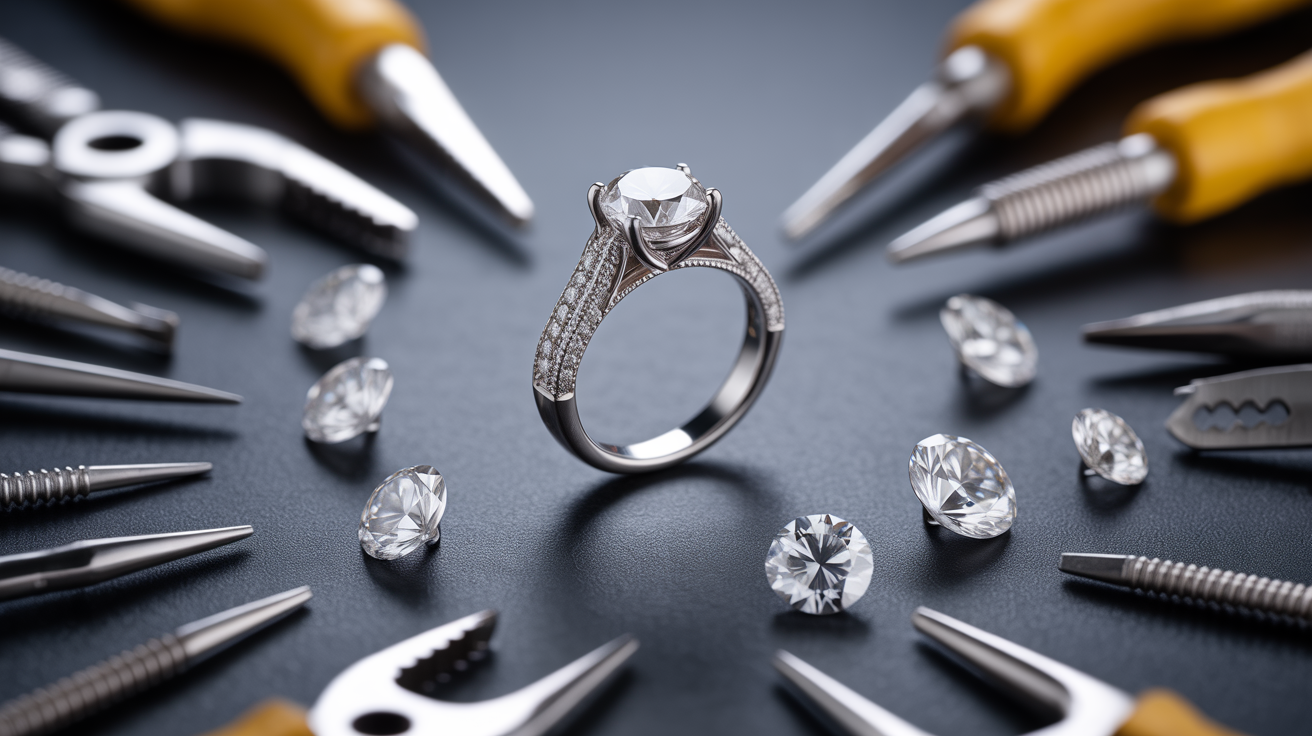
Engagement ring selling requires brand value versus component value analysis. The decision depends on whether the brand premium exceeds the cost of dismantling.
| Scenario | Keep Whole | Strip Components |
|---|---|---|
| Tiffany solitaire, excellent condition | ✓ Brand premium exceeds parts | ✗ Destroys 40-60% brand value |
| Cartier with rare coloured diamonds | ✓ Rarity amplifies brand value | Maybe if stones exceptional |
| Designer ring, damaged setting | ✗ Damage negates brand premium | ✓ Salvage diamond value |
| Unknown luxury brand | ✗ Minimal brand recognition | ✓ Diamond likely worth more alone |
Breaking apart a Cartier solitaire destroys 40-60% of the brand premium value. The setting, even in platinum, has minimal scrap worth compared to the brand recognition of the complete piece.
However, if your designer ring contains exceptional diamonds – high colour grades, large carats, or rare fancy colours – the stones might exceed the brand premium. A 2-carat D colour flawless diamond has substantial independent value regardless of setting.
Platinum settings add minimal value when dismantled. Platinum scrap rates are volatile and the labour cost of professional stone removal often exceeds the metal recovery value.
One caveat – damaged designer pieces flip this calculation. If the setting is cracked, stones are loose, or sizing has been botched, you’ve lost the brand premium anyway. Strip the diamonds and sell the platinum separately.
Frequently Asked Questions
Are Tiffany rings worth more than other diamond rings when selling?
Yes, Tiffany & Co. rings command 15-25% higher prices than equivalent unbranded diamonds due to brand recognition and authentication systems. However, you’ll still only receive 25-35% of the original retail price even with complete documentation.
Do I need the original Cartier box to get the best price?
Original Cartier packaging increases your sale price by 15-20% because it provides authentication and demonstrates proper care. The distinctive red box, certificate, and purchase documentation all contribute to buyer confidence in authenticity.
Which designer brands hold their value best when selling?
Van Cleef & Arpels and Harry Winston achieve the highest resale premiums at 30-50% of retail for rare or iconic designs. Tiffany & Co. and Cartier follow at 25-40%, while most other luxury brands perform marginally better than unbranded pieces.