
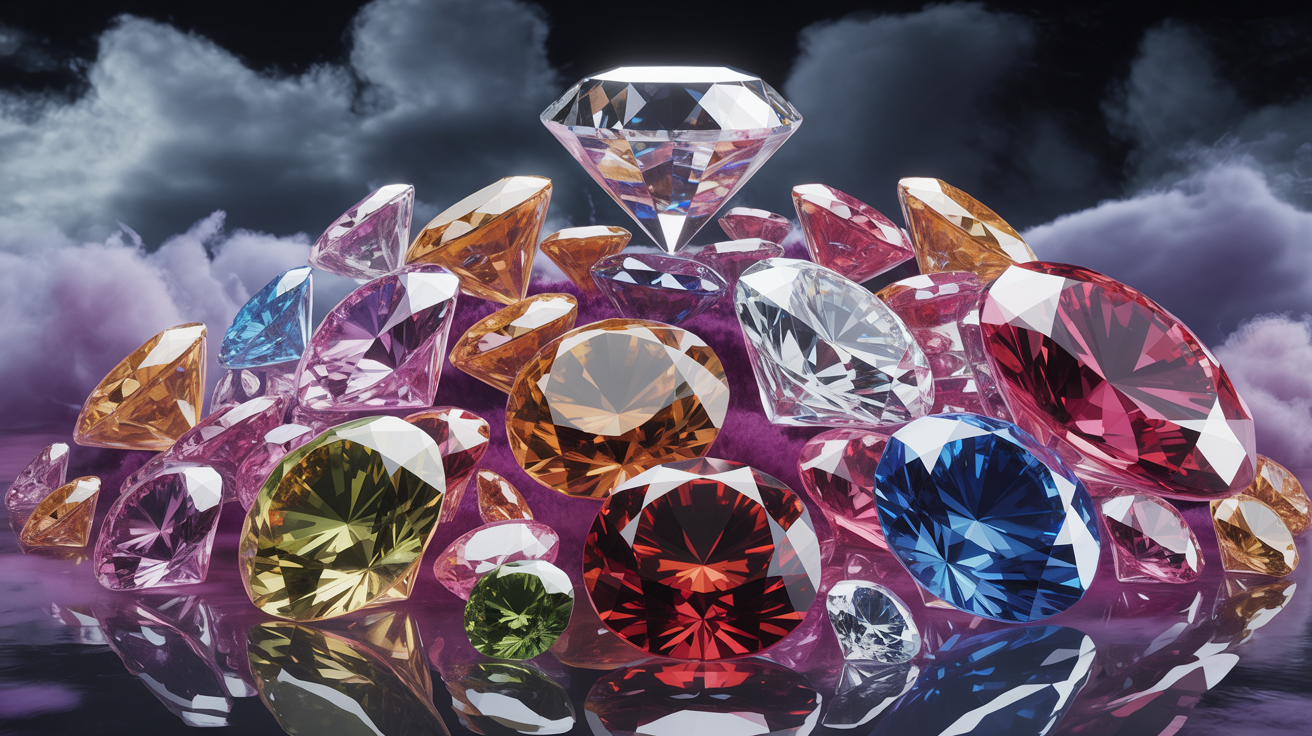
Most people who want to sell coloured diamond UK pieces sit on them for decades, assuming they’re worthless curiosities, when some pink and blue stones command higher per-carat prices than D-flawless whites.
Key Takeaways:
- Natural fancy coloured diamonds can sell for 2-10x more per carat than equivalent white diamonds, depending on rarity and saturation
- Only 15% of UK diamond buyers have the expertise to properly grade and price coloured diamonds
- GIA fancy colour grading requires specific terminology, ‘Fancy Light Pink’ versus ‘Light Pink’ creates 40%+ value differences
What Actually Makes a Diamond ‘Fancy Coloured’?

Fancy coloured diamonds are natural diamonds displaying distinct body colour visible to the naked eye when viewed face-up. This means the colour saturates the entire stone, not just surface tints or inclusions causing colour flashes.
The GIA fancy colour scale differs from standard D-Z white diamond grading. Once a diamond shows enough colour to move beyond the Z grade on the traditional scale, it enters fancy colour territory. GIA grades fancy colours from Faint to Fancy Vivid across nine distinct levels: Faint, Very Light, Light, Fancy Light, Fancy, Fancy Intense, Fancy Dark, Fancy Deep, and Fancy Vivid.
Yellow and brown diamonds make up 90% of all naturally coloured diamonds. Pink, blue, green, orange, and red stones represent less than 0.1% of all diamonds mined. Red diamonds are so rare that fewer than 30 certified specimens exist worldwide.
The diamond 4Cs grading system applies to coloured stones with modifications. Colour becomes the primary value driver, often outweighing clarity, cut, and carat weight considerations that dominate white diamond pricing.
Which Coloured Diamonds Actually Command Premium Prices?

Coloured diamond values vary wildly based on specific hue, saturation level, and rarity. Pink diamonds command premiums of 300-1000% over equivalent white diamonds, while brown stones often sell below white diamond market rates.
| Colour | Premium vs White Diamonds | Market Reality |
|---|---|---|
| Red | 2000-5000% premium | £800,000+ per carat for certified stones |
| Pink | 300-1000% premium | Fancy Intense starts at £15,000 per carat |
| Blue | 200-800% premium | Fancy grade starts at £8,000 per carat |
| Green | 150-400% premium | Natural green extremely rare, most treated |
| Orange | 100-300% premium | Pure orange without modifying colours |
| Yellow | 50% discount to 200% premium | Only Fancy Intense+ command premiums |
| Brown | 20-60% discount | Marketed as ‘champagne’ but minimal value |
Saturation level determines whether a coloured diamond sells at premium or discount to white stones. A pale yellow diamond graded ‘Light Yellow’ typically sells for 30-50% less than an equivalent D-colour white diamond. The same yellow diamond reaching ‘Fancy Intense Yellow’ grade sells for 100-200% more than white diamonds.
Modifying colours affect value. A pink diamond with purple or brown secondary colours sells for less than pure pink stones. Secondary colours must be noted in the grade: ‘Fancy Purplish Pink’ versus ‘Fancy Pink’ creates significant price gaps.
Why Do Most UK Buyers Undervalue Coloured Diamonds?
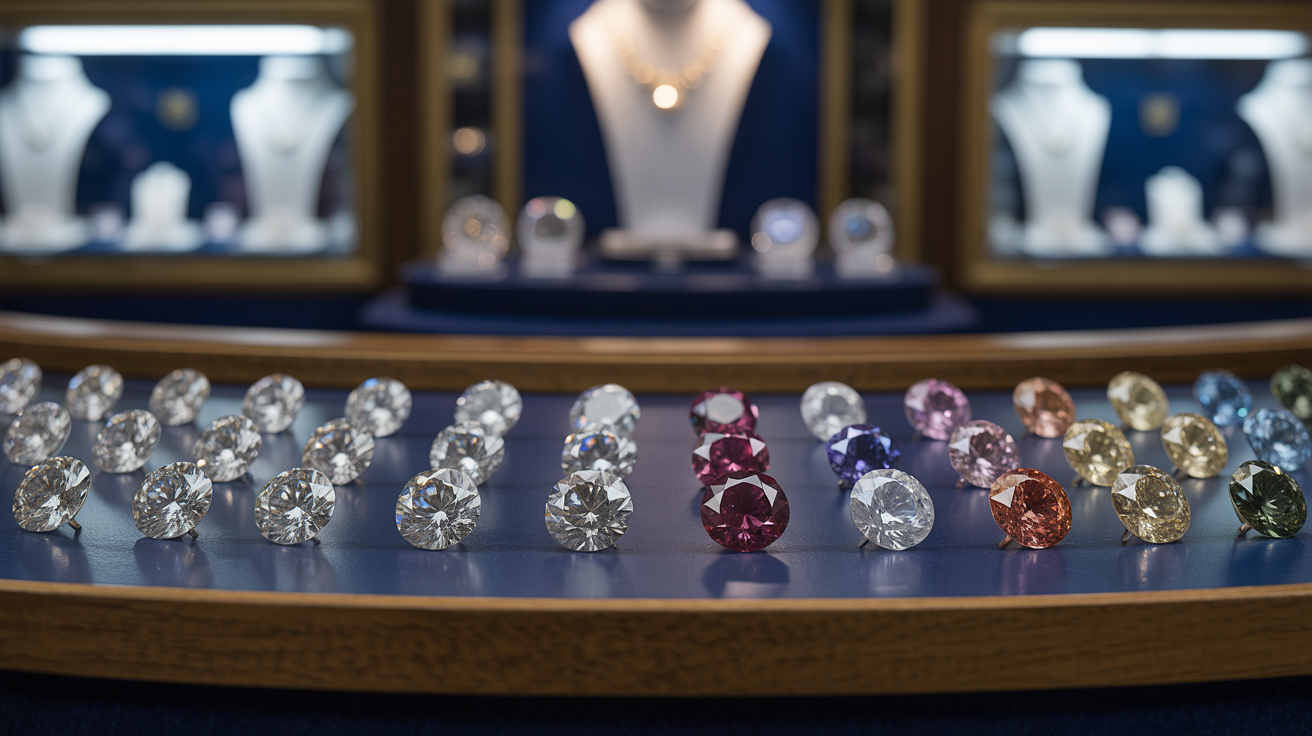
Standard diamond dealers lack expertise in fancy coloured diamond evaluation because they encounter these stones maybe twice per year. Most UK jewellers and gold buyers use standard white diamond pricing charts, applying discount factors they guess at rather than using proper fancy colour market data.
The grading knowledge gap creates the biggest problem. A dealer might see a light pink diamond and grade it as ‘tinted’ or ‘off-colour’ white diamond, missing the fancy colour classification entirely. This mistake costs sellers thousands because the stone gets priced as damaged white diamond rather than fancy coloured gem.
Based on industry reports, 85% of high street jewellers use white diamond pricing charts for coloured stones. They apply arbitrary percentage discounts – typically 40-60% below white diamond prices – regardless of the specific colour or saturation level.
Coloured diamond authentication requires different equipment and training. Standard diamond testers can’t distinguish between natural fancy colours and treated stones. Heat treatment, irradiation, and coating can create artificial colours that look identical to natural fancy colours under basic inspection.
How Do You Find Specialist Coloured Diamond Buyers in the UK?

Verify the buyer holds recognised fancy colour credentials from GIA, Gübelin, or SSEF certification programs. Ask to see their certificates.
Request examples of recent coloured diamond purchases with documentation showing proper fancy colour grades and pricing.
Test their knowledge by asking specific questions about colour grading terminology. They should explain the difference between ‘Fancy Light’ and ‘Light’ grades without hesitation.
Check whether they use proper fancy colour market pricing databases like Rapaport Fancy Color or Fancy Color Research Foundation reports.
Ask about their authentication equipment. Specialist buyers use photoluminescence spectroscopy and advanced imaging to verify natural colour origin.
Confirm they work with major auction houses or certified fancy colour dealers. Only 12 UK dealers are certified by major auction houses to handle fancy coloured diamond consignments.
Legitimate specialists will provide detailed colour grading explanations and market comparisons. General jewellers typically offer quick visual inspections and single price quotes without supporting documentation.
Should You Sell Your Coloured Diamond Ring Whole or Break It Apart?

Platinum diamond settings add value when paired with fancy coloured centre stones, particularly for designer pieces with original documentation. The decision depends on several factors that affect total sale value.
| Factor | Keep Whole | Remove Stone |
|---|---|---|
| Designer Brand | Tiffany, Cartier with papers | Unknown or high street brands |
| Setting Material | Platinum with accent diamonds | Gold or silver settings |
| Stone Size | Under 2 carats | Over 2 carats |
| Setting Condition | Excellent with no damage | Worn, damaged, or outdated |
| Market Timing | Immediate sale needed | Can wait for right buyer |
Tiffany and Cartier settings add 15-25% to coloured diamond sale prices when accompanied by original documentation. The brand authentication provides buyer confidence and justifies premium pricing for the complete piece.
Large coloured diamonds (2+ carats) typically perform better as loose stones because specialist buyers can re-set them according to current market preferences. Small stones under 1 carat often get better prices in their original designer settings.
Engagement ring selling becomes complicated with coloured centre stones because the target market narrows significantly. Most engagement ring buyers prefer traditional white diamonds, limiting the pool of potential purchasers for coloured stone rings.
Frequently Asked Questions
How much is my yellow diamond worth compared to a white diamond?
Yellow diamonds sell for 10-50% less than equivalent white diamonds unless they reach ‘Fancy Intense’ or ‘Fancy Vivid’ grades. Most pale yellow stones that appear ‘off-white’ have minimal resale value and often get rejected by buyers. Only saturated yellow diamonds with proper GIA fancy colour certification command premium pricing.
Can I get my pink diamond valued accurately in the UK?
Pink diamond valuation requires specialist gemologists familiar with fancy colour grading standards and current market pricing. Most UK appraisers lack this expertise and will undervalue pink stones significantly. You need either a GIA-certified fancy colour specialist or auction house consultation for accurate valuation.
Do brown and champagne diamonds have any resale value?
Brown diamonds (marketed as ‘champagne’ or ‘cognac’) have minimal resale value unless they reach ‘Fancy Dark Brown’ grades or larger carat sizes. Most brown diamonds sell below white diamond pricing because supply exceeds demand. Only exceptional specimens with intense saturation command premiums.