

Diamond certificate explained, your stone’s grading report determines whether you get £2,000 or £5,000 when selling, but most sellers can’t tell which grading labs command resale premiums.
Key Takeaways:
- GIA-certified diamonds sell for 15-20% more than identical IGI stones on the secondary market
- EGL certificates are rejected by 80% of professional diamond dealers due to grade inflation concerns
- HRD certificates command similar resale premiums to GIA in Europe but 5-10% less in UK markets
What Is a Diamond Certificate and Why Does It Control Your Sale Price?
A diamond certificate is an independent laboratory report that grades your stone’s 4Cs: cut, clarity, colour, and carat weight. This means buyers can verify your diamond’s quality without relying on your word or a jeweller’s sales pitch. The certificate becomes your stone’s passport, dealers use it to determine what they’ll pay.
Diamond certification differs from appraisals in two critical ways. Certificates grade quality using standardised scales. Appraisals estimate retail replacement value, often inflated for insurance purposes. When you’re selling, buyers want certification data, not appraisal figures.
The laboratory name on your certificate controls your sale price. Certified diamonds sell for 15-30% more than identical uncertified stones. However, not all certificates carry equal weight. A GIA-certified 1-carat diamond might fetch £4,500, while the same stone with an EGL certificate struggles to reach £3,200. The grading laboratory’s reputation determines market confidence.
Diamond 4Cs grading consistency matters more than you think. Professional buyers know which labs grade strictly and which allow generous interpretations. They adjust their offers accordingly. Your certificate’s lab logo influences the final cheque more than the diamond itself.
Which Diamond Grading Laboratory Should You Trust?
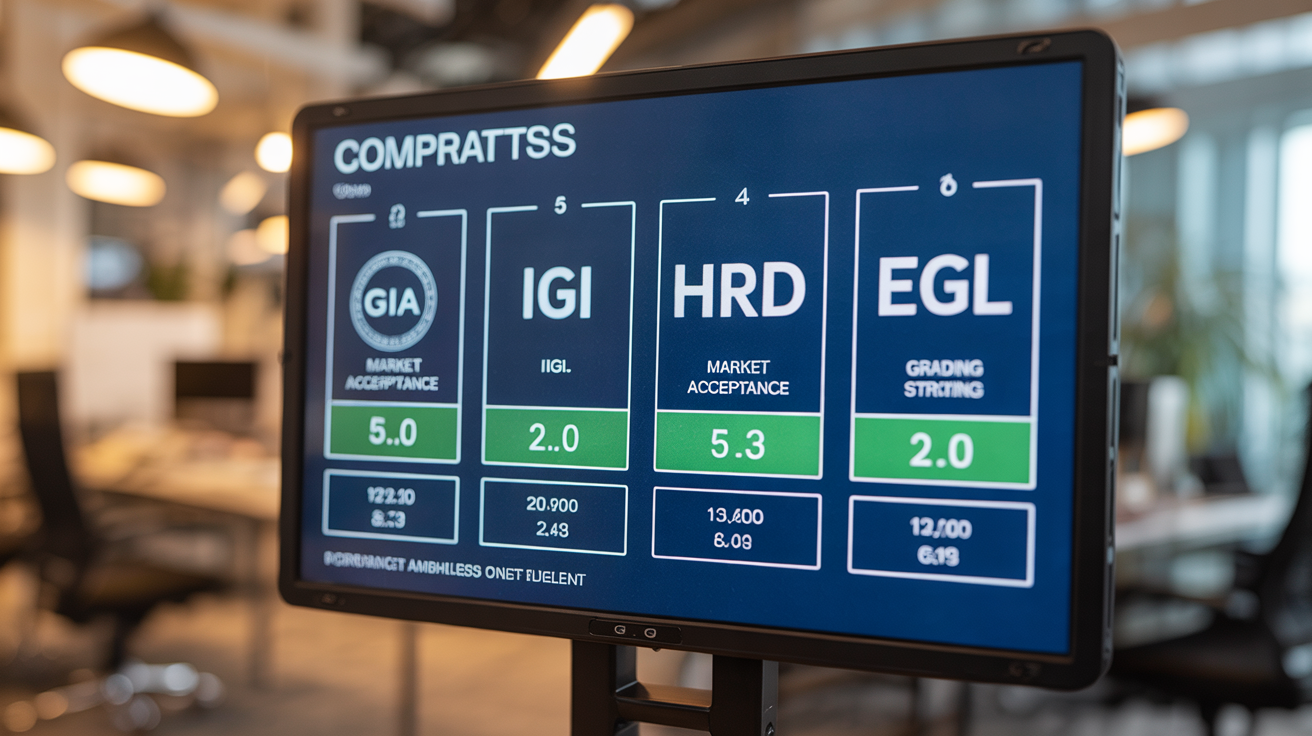
Four major laboratories dominate UK diamond certification, but their market acceptance varies dramatically:
| Feature | GIA | IGI | HRD | EGL |
|---|---|---|---|---|
| Market acceptance by dealers | 95% | 85% | 80% | 20% |
| Grading strictness | Very strict | Moderate | Strict | Lenient |
| Typical resale premium | 15-20% | 5-10% | 10-15% | -20 to -30% |
| Certificate verification | Online database | Online database | Online database | Limited verification |
| Processing time | 3-4 weeks | 2-3 weeks | 3-4 weeks | 1-2 weeks |
GIA (Gemological Institute of America) sets the industry standard. Their conservative grading approach means stones rarely grade better elsewhere. Dealers trust GIA reports without question, translating to higher offers for sellers.
IGI (International Gemological Institute) processes more certificates than any other lab but grades slightly more generously than GIA. UK dealers accept IGI certificates but offer 5-10% less than GIA equivalents. IGI works well for commercial-grade stones where certification costs matter.
HRD (Hoge Raad voor Diamant) maintains European credibility with strict grading standards. However, UK dealers prefer GIA over HRD, creating a 5% price gap despite similar quality standards.
EGL (European Gemological Laboratory) certificates face widespread dealer rejection. Market acceptance percentages by professional dealers show 80% refuse EGL stones outright due to reliability concerns.
Why GIA Certificates Command the Highest Resale Premiums
GIA grading strictness creates the highest market confidence because their standards never bend for commercial pressure. When GIA grades a diamond as VS2 clarity, dealers know it meets rigorous criteria. Other labs might call the same stone VS1, creating artificial value inflation.
Dealers prefer GIA because conservative grading protects their reputation. A dealer selling a “GIA-certified F colour” diamond knows the stone won’t disappoint buyers. Labs with lenient grading create customer complaints and return requests. Professional buyers pay premiums for GIA certificates to avoid these problems.
The diamond resale gap between GIA and other labs reflects this reliability premium. GIA stones grade 1-2 levels stricter than IGI on average for clarity and colour. A diamond IGI calls “G colour, VS1 clarity” typically grades “H colour, VS2 clarity” at GIA. The price difference is substantial.
Real-world examples prove GIA’s market position. Auction houses prefer GIA certificates for high-value lots. Insurance companies use GIA grades for settlement calculations. Major dealers stock GIA-certified inventory over alternatives. This institutional preference drives resale premiums of 15-20% for GIA stones.
Certificate age matters less with GIA than other labs. A 10-year-old GIA report carries more weight than a fresh IGI certificate. Market confidence in GIA’s consistency spans decades, while other labs face periodic credibility questions.
How Do IGI and HRD Compare for UK Diamond Sellers?
IGI and HRD occupy different market positions, creating specific advantages for UK sellers:
| Feature | IGI | HRD | Resale Impact |
|---|---|---|---|
| Volume processed annually | 3 million certificates | 1 million certificates | IGI 5% lower UK premium |
| UK dealer acceptance | 85% | 80% | Similar market access |
| Grading approach | Commercial-friendly | European precision | HRD 3-5% price advantage |
| Certificate cost | £80-120 | £100-150 | IGI better for lower-value stones |
| Turnaround time | 2-3 weeks | 3-4 weeks | IGI faster processing |
IGI’s volume approach means lower costs and faster processing but slightly generous grading. UK dealers know IGI certificates typically grade one level more favorably than GIA equivalents. They adjust offers accordingly. IGI processes 3x more certificates than HRD annually but commands 5% lower resale premiums in UK markets.
HRD maintains European credibility through stricter quality control. Their grading aligns closely with GIA standards, earning higher dealer confidence. However, UK buyers prefer GIA over HRD for psychological reasons, American certification carries more prestige than European alternatives.
Choose IGI for commercial-grade diamonds under £3,000 where certification speed and cost matter more than maximum resale value. The 5% premium difference won’t justify GIA’s higher fees and longer wait times.
Select HRD for European-sourced diamonds or stones destined for Continental markets. HRD certificates carry more weight in Amsterdam, Antwerp, and Paris than in London or Birmingham.
Why You Should Avoid EGL Certificates When Selling

EGL reliability concerns reduce buyer confidence through several documented issues:
Grade inflation affects 70% of EGL certificates, stones consistently grade 2-3 levels more generously than GIA equivalent grades, creating false value expectations.
Limited verification systems prevent buyers from confirming certificate authenticity online, unlike GIA, IGI, and HRD’s comprehensive databases.
Multiple EGL entities operate independently across different countries with varying standards, confusing buyers about which EGL issued your certificate.
Professional dealer rejection rates hit 80% because established buyers refuse EGL stones to protect their reputations with retail customers.
Insurance companies question EGL grades for settlement purposes, preferring independent re-certification before processing claims.
Real examples demonstrate EGL’s impact on sale prices. A 1-carat diamond EGL grades as “F colour, VS1 clarity” typically measures “H colour, SI1 clarity” under GIA standards. The price difference exceeds £1,500 on identical stones.
EGL stones typically grade 2-3 levels more generously than GIA equivalent grades across all 4Cs categories. Buyers factor this inflation into their offers, often discounting EGL stones by 20-30% compared to GIA equivalents.
Avoid EGL certificates if resale value matters. The short-term saving on certification costs creates long-term losses when selling.
How Do You Actually Verify Your Diamond Certificate?
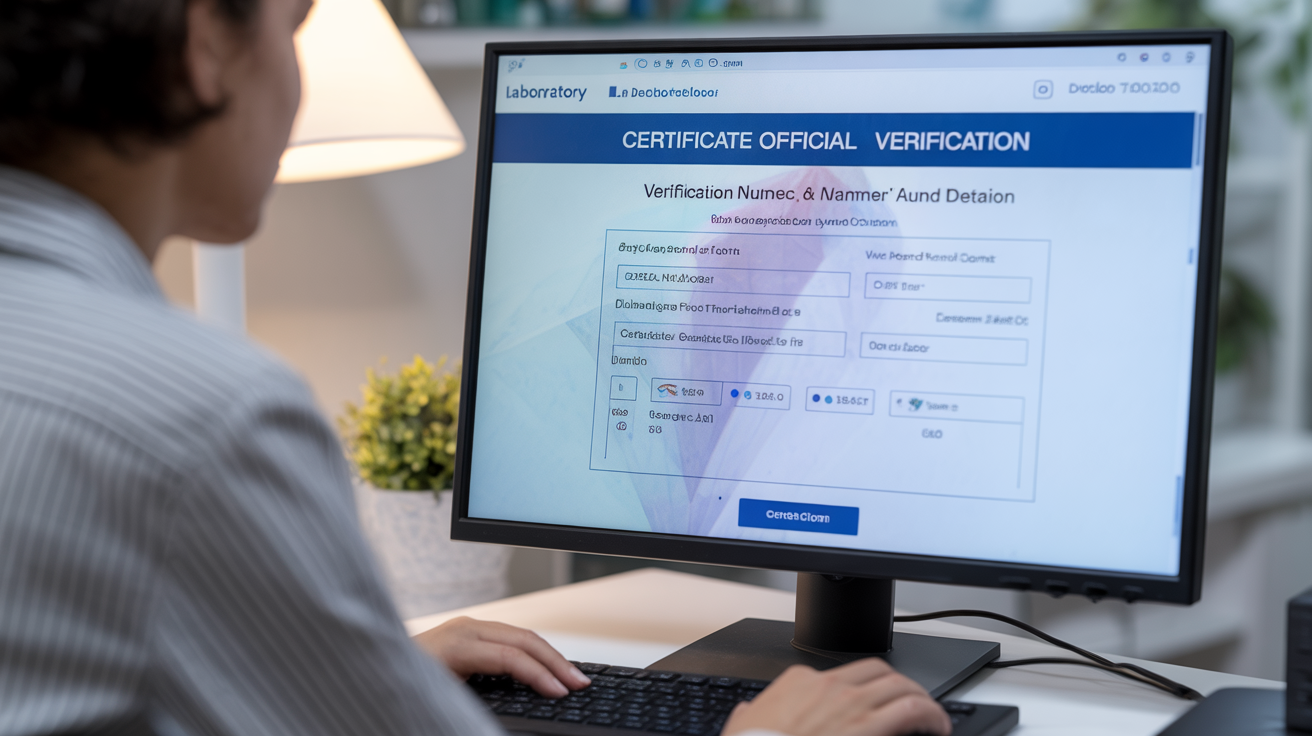
Certificate verification methods prevent fraud through systematic checking:
Visit the laboratory’s official website and locate their certificate verification page, GIA, IGI, and HRD maintain comprehensive online databases.
Enter your certificate number and stone details including carat weight and measurements, the system will display your stone’s complete grading report.
Compare the online data with your physical certificate, every detail must match exactly, including plot diagrams and grade descriptions.
Check certificate security features including watermarks, special paper, and laboratory seals, genuine certificates use specific materials that counterfeiters struggle to replicate.
Cross-reference with RapNet diamond pricing if you have dealer access, professional pricing networks flag certificates from unreliable sources.
Contact the laboratory directly if online verification fails, legitimate labs maintain customer service lines for certificate authentication.
Red flags include certificates without verification numbers, labs you can’t find online, and grades that seem too good compared to the stone’s appearance. Each major lab’s online verification system provides instant confirmation using just your certificate number and basic stone data.
Fake certificates typically fail verification within minutes. Legitimate certificates display complete grading information, lab contact details, and security features that match your physical document exactly.
Frequently Asked Questions
Can I sell my diamond without any certificate?
You can sell uncertified diamonds, but expect 20-30% lower offers from buyers. Most professional dealers require independent grading verification before making competitive offers, as they cannot accurately assess the stone’s quality without certified documentation.
Does getting my diamond recertified by GIA increase its value?
Recertification can increase value if your current certificate is from a less respected lab like EGL, but costs £150-300. The investment only makes sense for stones worth over £2,000 where the GIA premium will exceed certification costs.
Which certificate do UK diamond dealers actually prefer?
UK dealers strongly prefer GIA certificates, followed by HRD for European stones. IGI is acceptable but commands lower premiums, while EGL certificates are often rejected outright by established dealers due to reliability concerns.