

Need to sell my loose diamond but worried about finding the right buyer? Loose diamonds are easier to grade accurately than mounted stones, but the UK market for unset diamonds is brutally niche.
Key Takeaways:
• Loose diamonds avoid the 15-25% valuation penalty that mounting creates during professional grading
• Certified loose stones command 20-30% higher prices than identical diamonds without certificates
• Only 12% of UK diamond buyers specialise in loose stones, most focus on complete jewellery pieces
Why Are Loose Diamonds Actually Easier to Grade Than Mounted Stones?

Unset diamond grading is the complete assessment of a stone without mounting interference. This means gemologists can examine every surface, measure exact proportions, and identify inclusions that settings might hide.
Mounted diamonds create grading headaches. The setting blocks access to the pavilion, prevents accurate weight measurement, and obscures inclusions near prong contact points. Gemologist valuation becomes guesswork when half the stone sits hidden behind metal.
The diamond resale market reflects this limitation. Professional buyers apply 15-25% valuation discounts to mounted stones because they cannot verify the complete 4C profile without dismounting. That discount disappears when selling loose stones.
Loose stones let gemologists check for treatments, measure cut proportions with precision instruments, and photograph clarity characteristics from every angle. This complete access translates to confident valuations and higher offers.
One warning though. Loose stones are easier to lose, damage, or switch during handling. Keep yours in a secure container and photograph it before any evaluation.
What Types of Loose Diamonds Can You Actually Sell in the UK?

UK diamond buyers maintain strict requirements for loose stone purchases. Most reject stones below minimum commercial standards.
| Feature | Requirement |
|---|---|
| Minimum Weight | 0.25 carats (some accept 0.10ct) |
| Accepted Shapes | Round, princess, emerald, oval |
| Clarity Grade | SI2 or better for easy sale |
| Colour Grade | J colour or whiter |
| Condition | No chips, cracks, or abrasions |
| Documentation | Certificate preferred but not mandatory |
Fancy shapes like marquise, pear, or heart face limited demand from UK buyers. The market strongly favours round brilliants, they represent 75% of loose diamond sales.
Specialist loose stone buyers handle stones that general jewellery buyers reject. They accept lower grades, unusual shapes, and uncertified stones, but at significant price reductions.
Size matters more for loose stones than mounted diamonds. Stones below 0.25 carats have minimal commercial value because cutting and polishing costs exceed their wholesale price. Most UK buyers won’t touch them.
Certified stones from GIA, SSEF, or Gübelin command premium prices. Stones with questionable certificates from lesser labs sell for scrap diamond rates.
How Much Is Your Loose Diamond Actually Worth?
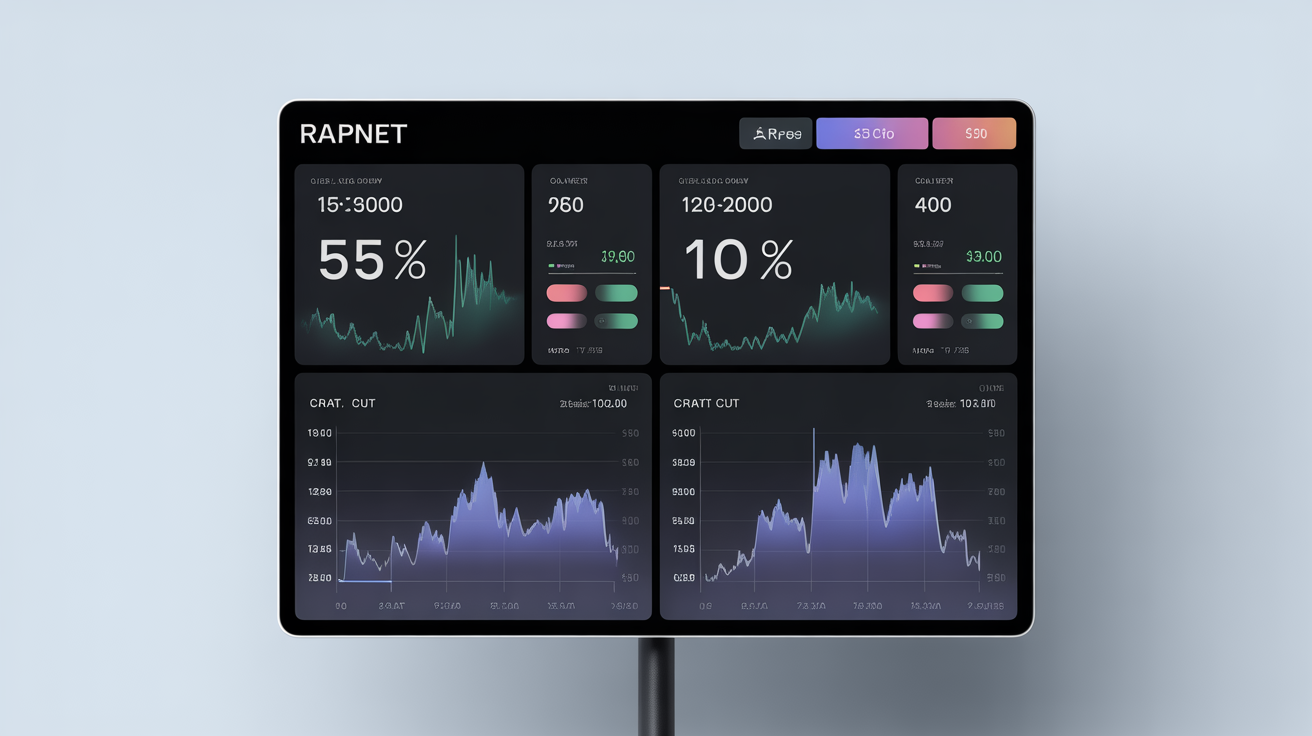
Loose diamond valuation follows a systematic process that determines realistic selling expectations.
Check current RapNet wholesale pricing for your stone’s exact specifications (carat, colour, clarity, cut grade). RapNet diamond pricing sets the baseline for all loose stone transactions in the UK market.
Apply the retail discount multiplier of 35-55% to the RapNet price. Higher quality stones (D-F colour, FL-VVS clarity) achieve the upper range. Commercial grades (G-J colour, SI1-SI2 clarity) hit the lower range.
Factor in certification premiums by adding 20-30% for GIA certificates, 10-15% for other major labs, or subtracting 20% for uncertified stones.
Account for market conditions by checking recent auction results for comparable stones. Demand fluctuates seasonally and with economic conditions.
Subtract selling costs including insurance, postage, and any professional cleaning or minor repolishing required.
Sellers typically receive 35-55% of RapNet wholesale pricing depending on stone quality and buyer type. This percentage seems low, but remember that RapNet prices represent dealer-to-dealer wholesale rates, not consumer retail prices.
Certified stones above 1.00 carat achieve the highest percentage returns. Uncertified stones below 0.50 carats hit the bottom of the range.
Does Your Diamond Certificate Actually Matter for Loose Stone Sales?
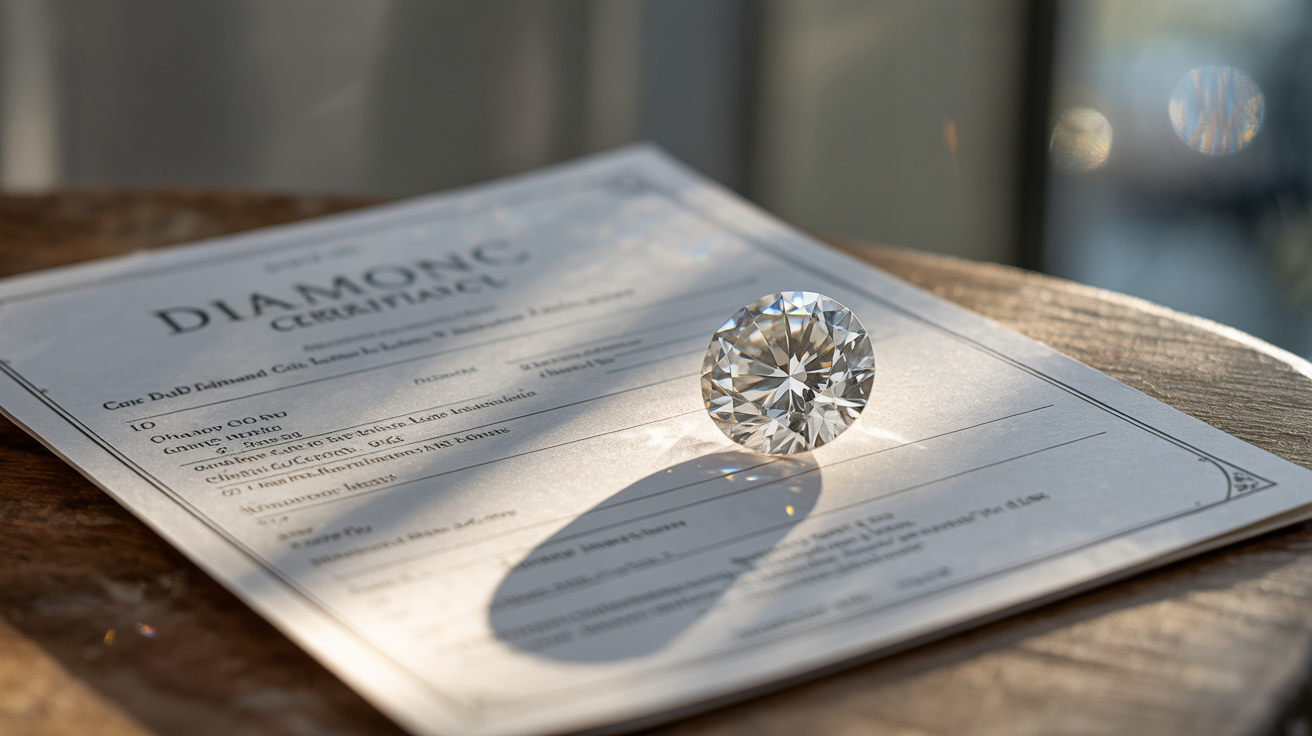
Diamond certification creates measurable price premiums in loose stone transactions. The certificate provides independent verification of the 4Cs that buyers cannot assess themselves.
| Certificate Type | Price Premium | UK Acceptance |
|---|---|---|
| GIA | 20-30% | Universally accepted |
| SSEF | 15-25% | High-end buyers only |
| Gübelin | 15-25% | High-end buyers only |
| IGI | 5-10% | Limited acceptance |
| EGL | 0-5% | Treated as uncertified |
| No Certificate | -20% discount | Accepted but penalised |
GIA-certified loose diamonds sell for 20-30% more than identical uncertified stones because GIA maintains the strictest grading standards. UK buyers trust GIA grades without independent verification.
Certification costs £150-300 but pays for itself on stones above 0.50 carats. Smaller stones rarely justify the certification expense unless they possess exceptional quality.
The diamond resale market treats suspect certificates harshly. EGL certificates from certain labs are ignored completely. Some buyers actually offer less for EGL-certified stones than uncertified ones because inflated grades create false expectations.
Loose stones benefit more from certification than mounted diamonds because buyers cannot verify the 4Cs through visual inspection alone. The certificate becomes the primary selling tool.
Warning: Never pay for certification on stones below 0.30 carats unless exceptional circumstances apply. The cost exceeds the premium gained.
Where Can You Actually Sell Loose Diamonds in the UK?

Specialist loose stone buyers operate different business models than general jewellery buyers. They focus exclusively on unset stones and understand their unique market dynamics.
• Professional loose stone dealers in Hatton Garden maintain the highest expertise but demand GIA certification and minimum 0.50 carat weights for serious consideration
• Diamond auction houses like Bonhams accept individual certified stones above 1.00 carat, though they charge 15-25% seller’s premiums and require 3-4 month selling cycles
• Postal diamond services handle loose stones through insured Royal Mail Special Delivery, though only 3 major UK services accept loose diamonds compared to 15+ that buy mounted stones
• Online diamond platforms connect sellers with trade buyers, but most require professional photography and detailed specifications that sellers cannot provide themselves
• Specialist gemstone dealers outside London accept lower grades and unusual shapes but offer significantly reduced prices
Most high street jewellers avoid loose diamond purchases because they lack the expertise to grade stones accurately. They focus on complete pieces where mounting provides context for valuation.
The diamond postal selling market remains limited because loose stones require specialized handling and insurance. Standard precious metals postal services exclude loose diamonds from their accepted items lists.
Only 12% of UK diamond buyers specialize in loose stones, creating a supply-demand imbalance that favours buyers over sellers.
Should You Sell Your Diamond Loose or Keep It Mounted?
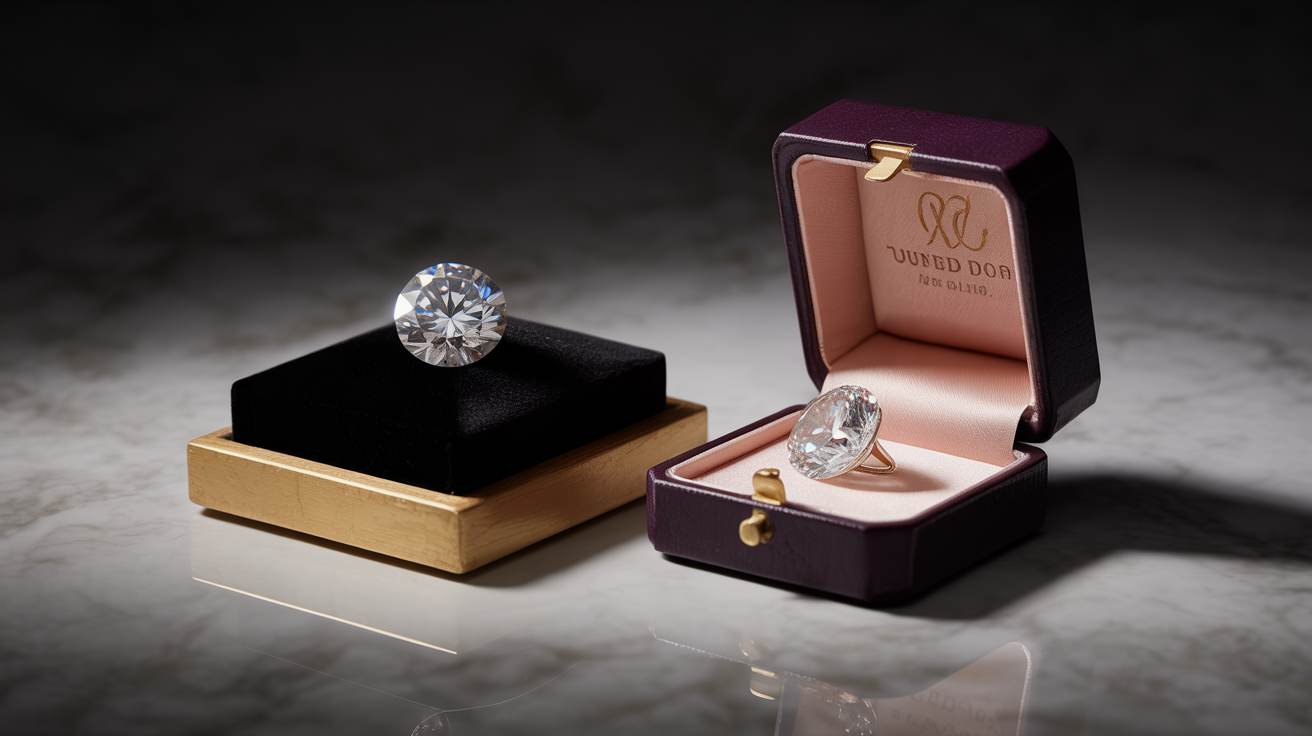
Loose versus mounted selling creates different value propositions depending on setting quality and market positioning.
| Factor | Loose Stone | Mounted Diamond |
|---|---|---|
| Grading Accuracy | 100% accessible | 75% accessible |
| Buyer Pool | 12% of UK market | 88% of UK market |
| Price Premium | 20-30% for certified | Setting adds 0-15% |
| Dismounting Cost | £25-75 professional removal | Not applicable |
| Sale Timeline | 2-6 weeks | 1-3 weeks |
| Minimum Viable Size | 0.25 carats | 0.10 carats |
Dismounting adds value when the setting contains low-grade gold (9ct or below) or shows significant wear. The metal value rarely justifies keeping inferior settings intact.
High-quality settings in 18ct gold or platinum with additional diamond accents often add more value than dismounting saves. Designer pieces from Cartier, Tiffany, or Van Cleef maintain premium positioning when sold complete.
Dismounting costs £25-75 but can increase diamond value by 15% when setting metal is low-grade. Professional stone removal prevents damage that destroys value entirely.
The diamond resale market shows stronger demand for complete pieces because consumers prefer ready-to-wear items. Loose stones appeal primarily to trade buyers and custom jewellers.
Consider keeping exceptional stones mounted if the setting adds aesthetic or brand value. Dismount commercial-grade stones in basic settings where the diamond represents the primary value.
Frequently Asked Questions
What’s the minimum carat size for selling loose diamonds in the UK?
Most UK diamond buyers require a minimum 0.25 carat weight for loose diamond purchases. Stones below this threshold have limited commercial value and few buyers will handle them. Some specialist buyers accept 0.10 carat minimums but offer significantly reduced pricing.
Do I need to get my loose diamond certified before selling?
Certification isn’t legally required but creates a 20-30% price premium for loose stones. GIA certificates command the highest premiums in the UK market. The certification cost (£150-300) typically pays for itself on stones above 0.50 carats.
Can I sell a single loose diamond or do buyers want collections?
UK diamond buyers accept individual loose stones, unlike some jewellery categories that require pairs or sets. Single certified stones above 0.25 carats have strong market demand. Most specialist loose stone buyers prefer individual high-quality stones over mixed collections.