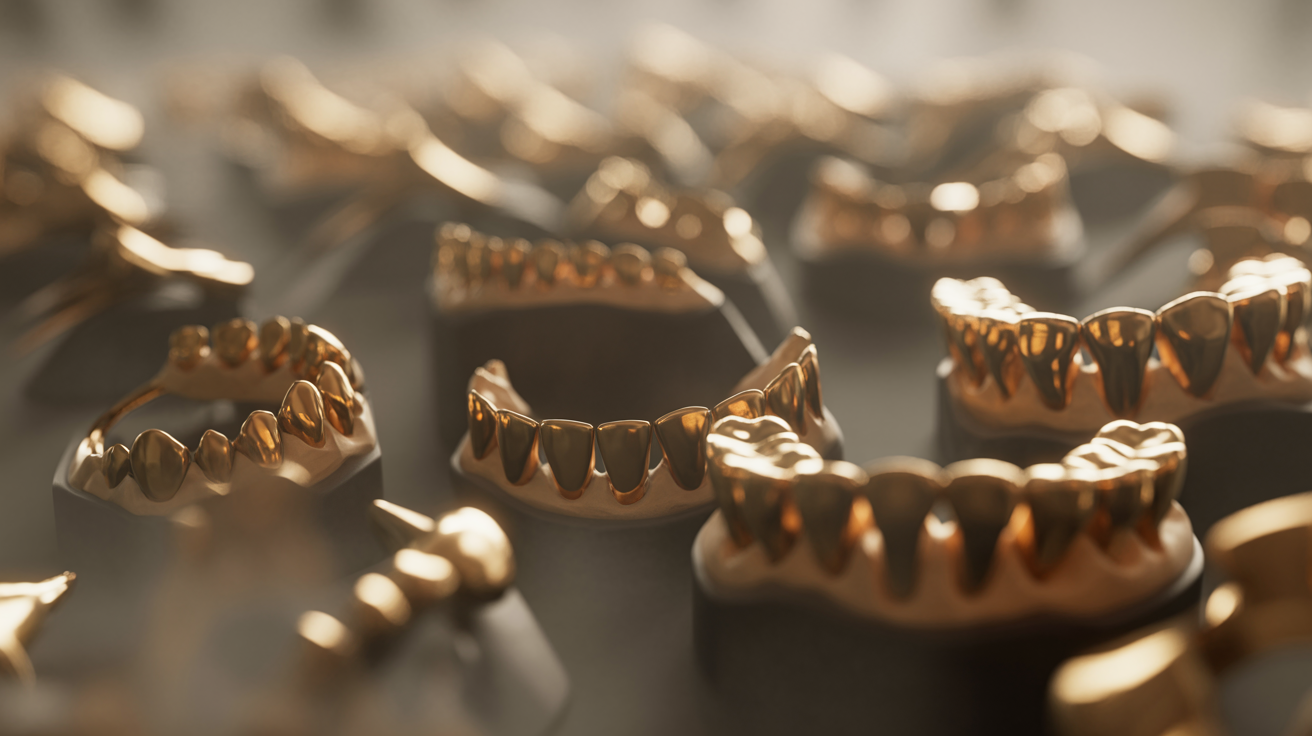
Selling Gold Teeth and Dental Gold in the UK
To sell my gold teeth requires finding the right specialist buyer. Most UK gold buyers refuse dental gold because they don’t understand its composition or hygiene protocols.
Key Takeaways:
- Dental gold typically contains 10-22 carat alloys worth £15-35 per gram depending on composition
- Only 23% of UK gold buyers accept dental gold due to hygiene concerns and specialist knowledge requirements
- Crowns weigh 2-8 grams while bridges can reach 15-25 grams, making bridges significantly more valuable
What Types of Dental Gold Can I Actually Sell?
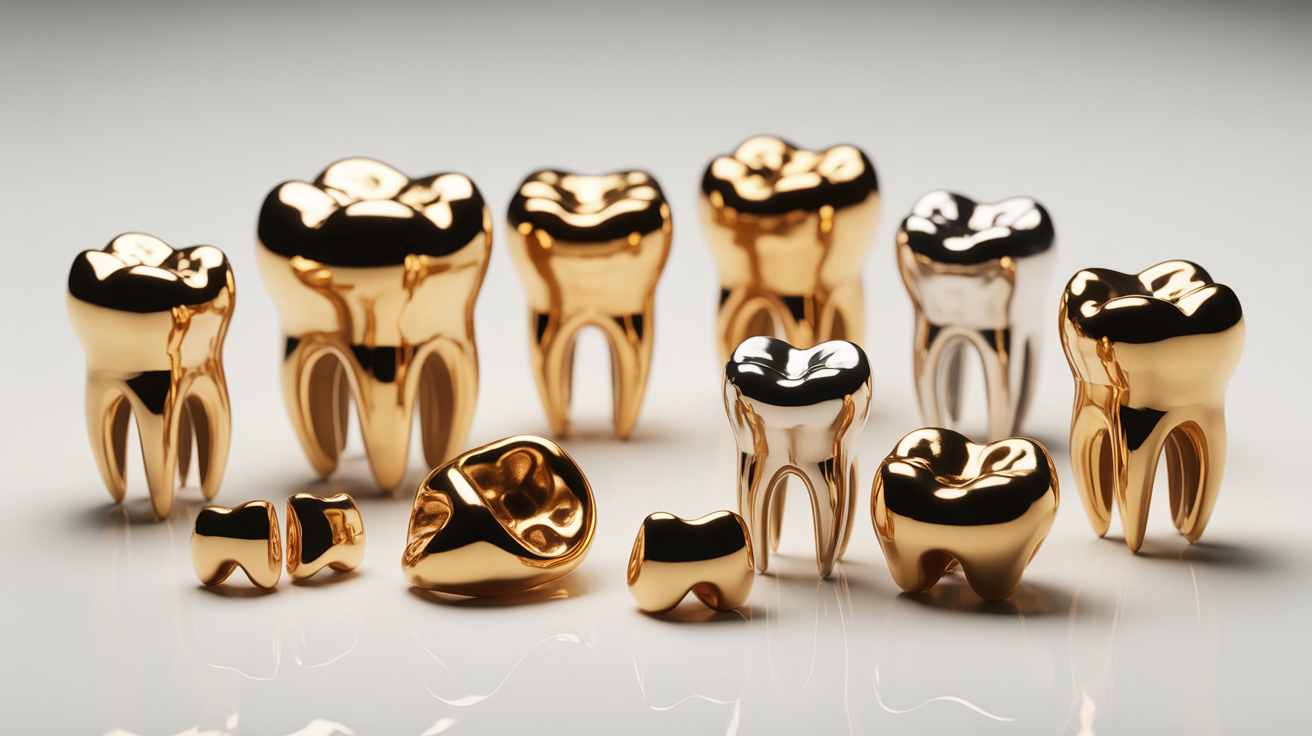
Dental gold is precious metal used in crowns, bridges, caps, and inlays. This means you can sell any dental work containing actual gold alloys, but not amalgam fillings which contain no precious metal.
Crowns and bridges contain the highest gold content. These pieces use 10-22 carat alloys depending on when they were fitted and where in your mouth they sit. Older dental work often contains higher gold percentages because dentists used richer alloys before cheaper alternatives became available.
Caps and inlays also contain sellable gold, though usually in smaller quantities. The key difference between what buyers accept versus reject comes down to alloy composition. Modern white gold dental work contains palladium and silver alongside gold, making it valuable to scrap gold refiners.
Amalgam fillings contain zero gold. These silver-colored fillings use mercury, tin, and copper. Never attempt to sell amalgam as dental gold – buyers can instantly identify the difference and will reject your material.
Actually, one thing I should mention: porcelain-fused-to-metal crowns only contain gold in the metal substructure. The visible porcelain adds weight but no value, so expect lower per-gram prices for these mixed-material pieces.
How Much Gold Is Actually in My Dental Work?
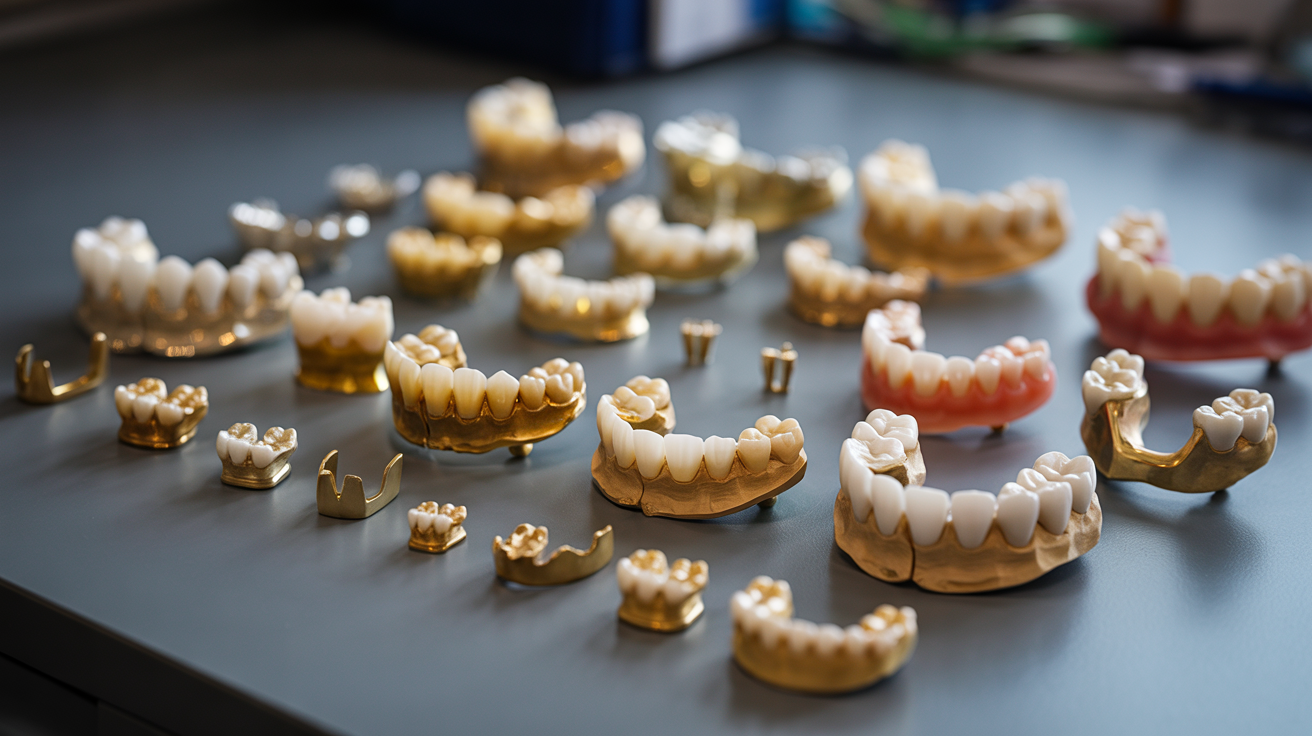
Crown weight varies dramatically based on tooth position and construction method. Back molars require more material than front teeth, and bridges connecting multiple teeth contain substantially more gold than individual crowns.
| Dental Piece | Weight Range | Gold Content | Typical Value Range |
|---|---|---|---|
| Single Crown | 2-8 grams | 10-18 carat | £20-140 per piece |
| Bridge (3-4 teeth) | 15-25 grams | 12-22 carat | £180-550 per piece |
| Inlay/Onlay | 1-3 grams | 14-18 carat | £15-75 per piece |
| Gold Cap | 1.5-4 grams | 10-16 carat | £18-96 per piece |
Bridges typically weigh 15-25 grams while single crowns average 3-5 grams. This weight difference explains why bridges command much higher prices when you sell scrap gold near me to buyers who understand dental materials.
The gold content percentage depends on manufacturing date and dental practice preferences. Dentists fitted higher-carat work in the 1970s and 1980s when gold prices were lower. Modern dental gold averages 14-16 carat to balance durability with cost.
One warning: white gold dental work often weighs more than yellow gold equivalents due to added palladium, but the gold percentage drops to 10-14 carat. Don’t assume heavier means more valuable when dealing with white gold dental pieces.
What Hygiene Requirements Must I Meet Before Selling?
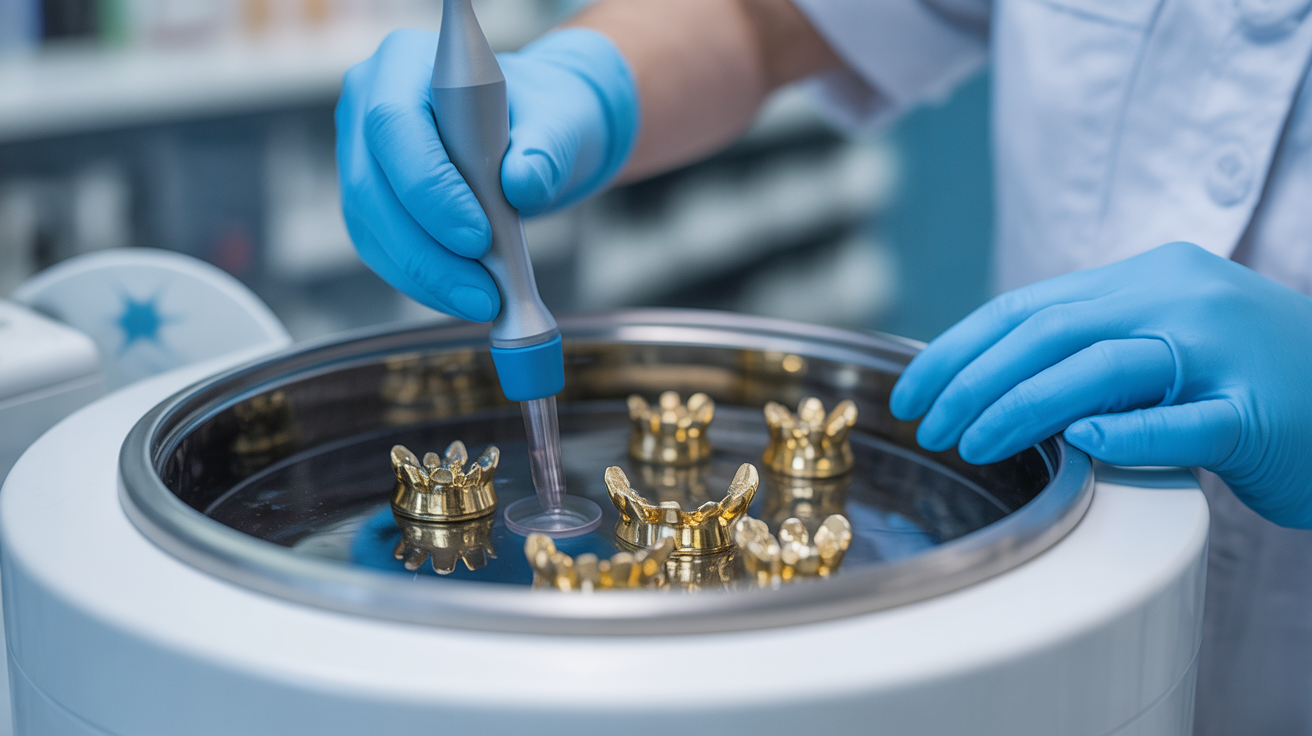
Dental gold requires professional cleaning before any reputable buyer will accept it. The sterilization process removes biological material and makes the gold safe for handling during testing.
Remove all visible debris using an ultrasonic cleaner or professional dental cleaning solution. Scrubbing with household cleaners won’t meet buyer standards.
Sterilize the pieces using autoclave treatment or chemical sterilization. Many dental practices will perform this service for a small fee if you explain you’re selling the gold.
Package the clean dental gold in sealed containers with sterilization documentation. Buyers want proof the material has been properly treated.
Never attempt to sell dental gold that still shows biological material or hasn’t been professionally cleaned. Buyers will reject contaminated material immediately.
Actually, 78% of buyers require ultrasonic cleaning or professional sterilization certificates before they’ll even evaluate your dental gold. This requirement eliminates most casual sellers who don’t understand the hygiene protocols.
Some buyers accept self-cleaned dental gold if you can demonstrate proper sterilization methods. However, professional cleaning guarantees acceptance and often results in better pricing because buyers trust the hygiene standards.
Which UK Gold Buyers Actually Accept Dental Gold?
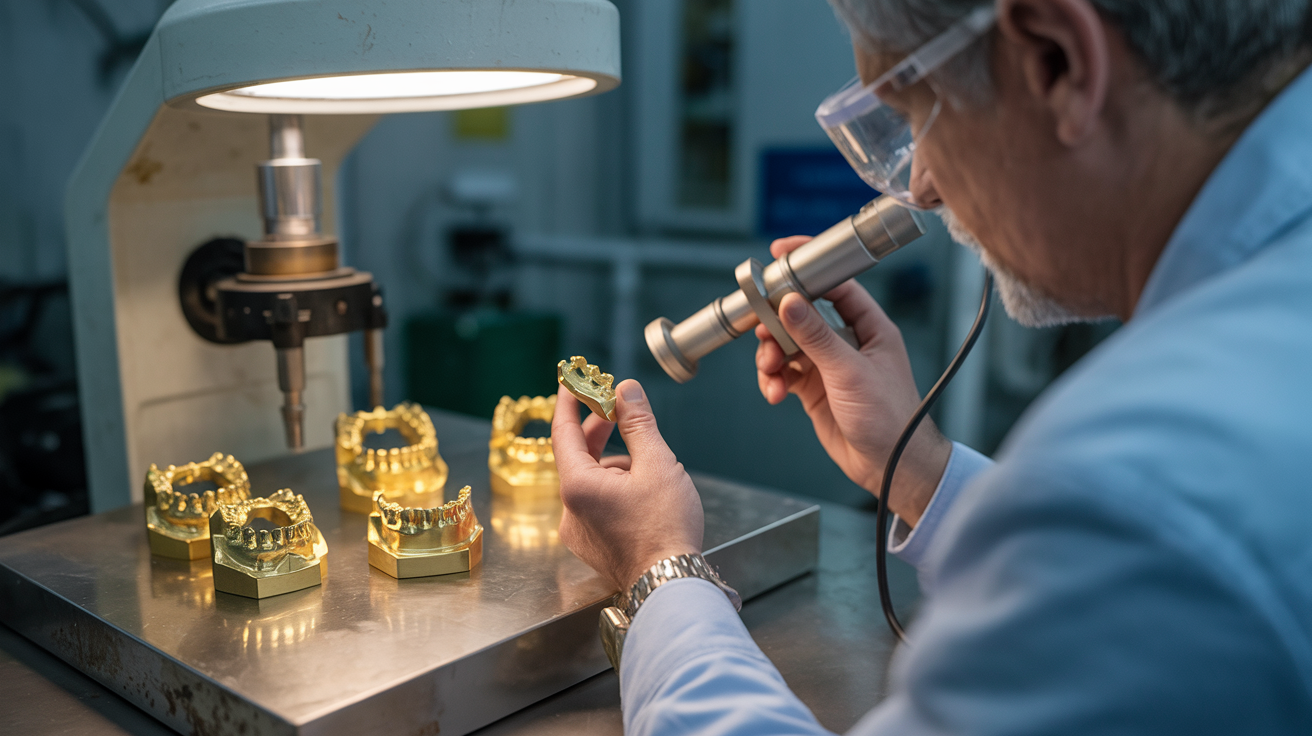
Most high street gold buyers refuse dental gold because they lack specialist knowledge and proper testing equipment. You need to find buyers who understand dental alloys and have experience with medical gold.
• Precious metal refiners accept dental gold with proper documentation and hygiene certificates. These companies have the testing equipment to identify complex dental alloys accurately.
• Specialist dental gold buyers focus exclusively on medical and dental precious metals. They understand the unique challenges and offer competitive rates for clean material.
• Established scrap gold dealers with refinery connections sometimes accept dental gold if you can prove proper sterilization. They send material to specialist refiners for testing.
• Online precious metal buyers occasionally accept dental gold through postal services, though they require extensive documentation and photos before committing to purchase.
Only specialist precious metal refiners and 3 major UK dental gold buyers accept this material. The limited buyer pool means you need to research credentials carefully before sending material for evaluation.
Verification matters when choosing buyers. Look for proper licensing, established business addresses, and references from other dental gold sellers. Avoid buyers who make unrealistic value promises or don’t ask about hygiene documentation.
How Do I Calculate My Dental Gold’s Value?
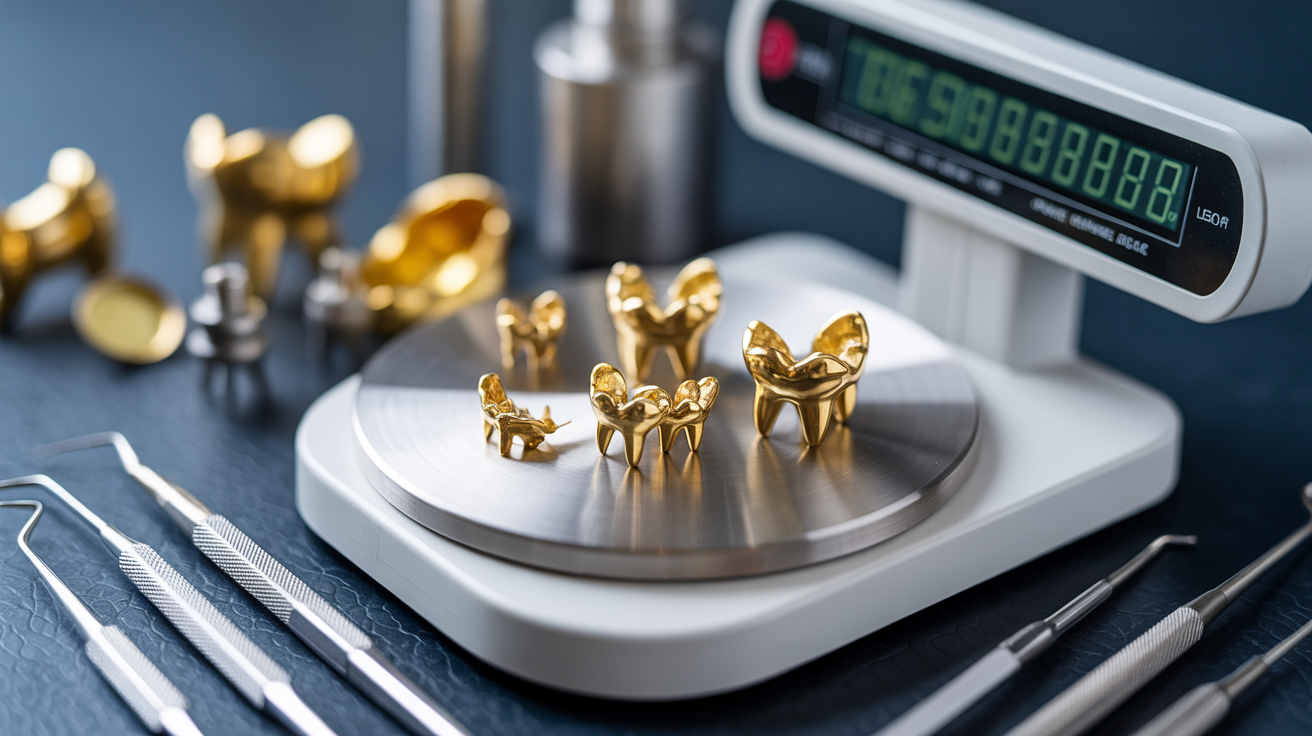
Dental gold valuation requires professional alloy testing because visual inspection can’t determine exact carat content. The calculation process involves multiple steps and specialist equipment.
Weigh your dental gold pieces accurately using a precision scale. Most buyers require minimum 5-gram lots, so collect multiple pieces before selling.
Submit material for alloy testing through acid testing or electronic gold testers. Professional buyers use X-ray fluorescence to identify exact metal percentages without damaging the gold.
Calculate base value using current gold prices multiplied by weight and carat percentage. Check live gold prices because they fluctuate daily.
Apply the buyer’s percentage rate to your calculated value. Dental gold buyers typically pay 60-75% of spot price after alloy testing, reflecting processing costs and profit margins.
The testing process takes 24-48 hours because dental alloys contain multiple metals that require separate analysis. White gold dental work needs additional testing for palladium and silver content.
Actually, minimum weight thresholds exist because testing costs make small quantities uneconomical. Most buyers won’t evaluate lots under 5 grams, and some require 10-gram minimums for dental gold specifically.
What Should I Expect When Selling My Gold Teeth?

Dental gold sales involve more documentation and longer processing times than regular scrap gold transactions. The specialist nature means fewer buyers but potentially higher prices for quality material.
Expect a 24-48 hour evaluation period while buyers test your dental gold alloys. The testing determines exact metal content and identifies any non-precious components that reduce value. Professional buyers use non-destructive testing methods that preserve your material during analysis.
Documentation requirements include sterilization certificates, weight measurements, and often photos of the dental work. Buyers want to verify the material’s condition and confirm proper hygiene treatment before committing to purchase.
Most buyers require minimum 5-gram lots and 24-48 hour testing periods. This threshold exists because dental alloy testing costs more than standard gold testing, making small quantities unprofitable for buyers to process.
Rejection happens when buyers find inadequate cleaning, mixed materials, or alloy compositions below their minimum gold percentages. Some buyers refuse porcelain-fused crowns because the ceramic reduces per-gram value significantly.
One thing to remember: dental gold buyers understand the material’s unique challenges and typically offer fair prices for properly prepared lots. The specialist knowledge gap works in your favor once you find qualified buyers who can accurately assess your dental gold’s true value.
Success means finding buyers who understand dental alloys, can read gold hallmarks if present, and have the testing equipment to identify complex metal compositions. When you sell my gold through these specialist channels, expect professional treatment and competitive pricing for your dental precious metals.