

When you need to sell my gold London presents the UK’s densest concentration of buyers. Hatton Garden houses 120+ gold dealers in a single square mile, but most sellers visit just one shop and accept whatever they’re offered.
Key Takeaways:
• Hatton Garden contains 300+ businesses dealing in precious metals within a quarter-mile radius
• Visiting 4-5 dealers for quotes increases your payout by 8-15% compared to single-shop selling
• Specialist dealers pay 12-18% more for high-value items than general jewellers or pawn shops
What Makes Hatton Garden London’s Gold Selling Hub?

Hatton Garden is Britain’s primary precious metals district. This means the quarter-mile area contains the highest concentration of gold buyers, diamond dealers, and precious metal traders in the country.
The district emerged in the Victorian era when jewellers clustered around the emerging diamond trade. Today, 300+ businesses dealing in precious metals operate within this compact area, creating an ecosystem where competition drives better prices for sellers.
Three types of operations dominate the Garden. Retail jewellers buy from the public and resell through shops. Wholesale dealers purchase in bulk and supply the trade. Manufacturing jewellers create new pieces but also buy scrap gold for melting.
This concentration creates unique advantages. Dealers compete directly with neighbours, forcing competitive pricing. Shared infrastructure like assay offices and security services keeps overheads low. Most importantly, the reputation system works fast – word travels quickly about dealers who underpay or use questionable practices.
One thing to understand: the tourist shops on Hatton Garden itself often pay the worst rates. The serious dealers operate from the side streets and upper floors, away from foot traffic.
Which Hatton Garden Dealers Actually Buy from the Public?
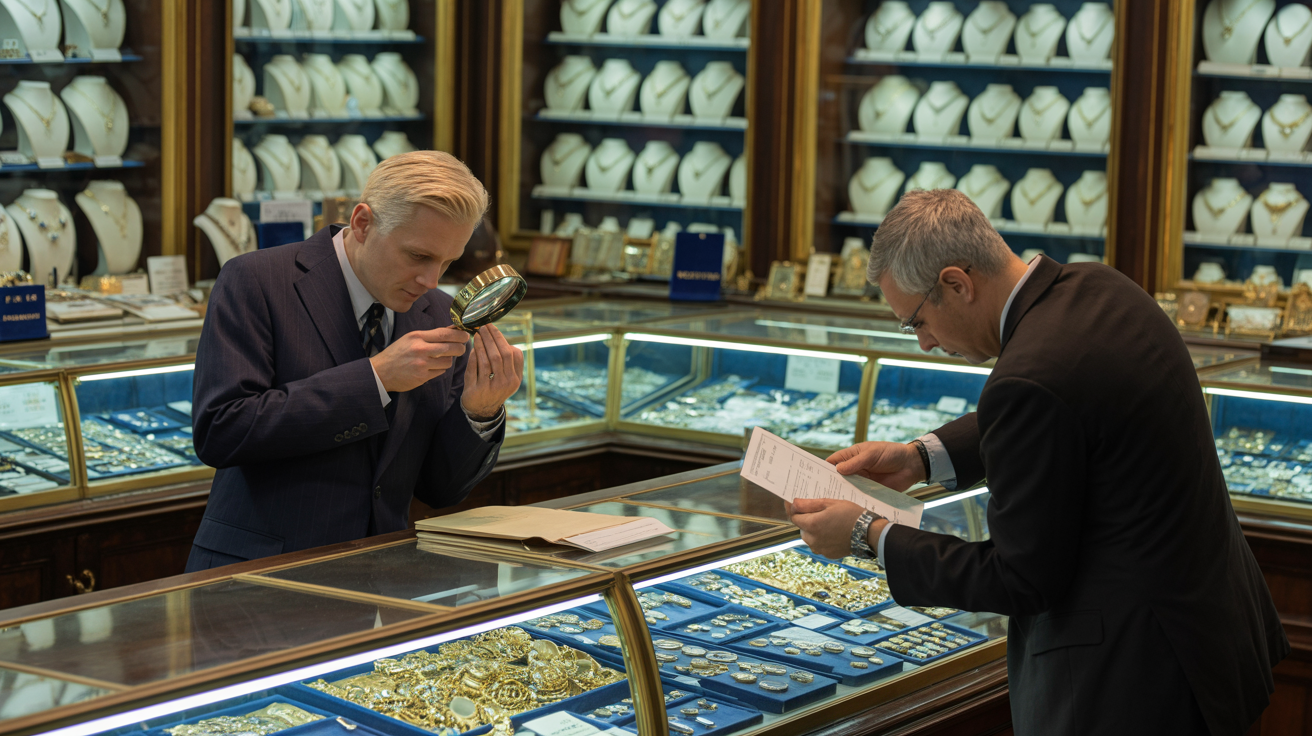
Hatton Garden dealers operate different business models. This means not every business in the district will buy your gold, and those that do offer varying terms and rates.
Many operations are trade-only, dealing exclusively with other businesses. These wholesale dealers typically offer the best rates but won’t deal with individual sellers. Others focus on specific items like antique jewellery or investment coins.
| Feature | Retail Gold Buyers | Trade-Only Dealers | Specialist Dealers |
|,,,,-|,,,,,,,,,-|,,,,,,,,,-|,,,,,,,,,-|
| Public Access | Walk-ins welcome | Appointment only | Mixed policy |
| Typical Payout | 70-80% spot price | 85-92% spot price | 75-90% spot price |
| Minimum Value | No minimum | £500+ typically | Varies by specialty |
| Testing Method | Basic electronic | Full assay | Specialist equipment |
| Turnaround | Immediate | 24-48 hours | Same day to 1 week |
The retail buyers along Hatton Garden and Greville Street accept walk-ins but pay conservative rates. They need to cover shopfront costs and immediate cash payments. These dealers work best for small amounts or when you need cash the same day.
Trade dealers in the Greville Centre and upper floors often pay 10-15% more but require appointments and minimum values. They’re worth the extra effort for items worth £500+.
Actually, finding which dealers buy from the public takes some detective work. Many don’t advertise this service clearly, focusing their marketing on trade customers or bespoke jewellery services.
How Do You Actually Get Competing Quotes in Hatton Garden?

Quote comparison increases seller payout percentage by forcing dealers to compete. Getting multiple quotes requires planning but typically takes just one morning.
Research dealers before you go. Call 6-8 businesses to confirm they buy from the public and ask about appointment requirements. This saves time wandering between trade-only operations.
Start with the highest-value items. Begin quotes with specialist dealers who focus on your item type – coin dealers for sovereigns, diamond specialists for set jewellery. These often pay premiums but have strict authentication requirements.
Work through retail dealers systematically. Visit 3-4 shops along Hatton Garden itself, then check 2-3 operations in the Greville Centre. Each quote takes 10-15 minutes once you reach the counter.
Use the highest quote as leverage. Return to dealers who quoted lower and mention the best offer. Many will match or improve their initial quote rather than lose the sale.
Get final offers in writing. Ask each dealer to confirm their best price on paper or via text. This prevents misunderstandings and gives you proof if quotes change.
One warning: don’t mention specific competitor names when negotiating. Say “another dealer quoted X” rather than “Johnson’s Jewellers offered X.” The Garden’s community is tight-knit and naming names can backfire.
Expect to spend 2-3 hours getting 4-5 solid quotes including travel time. The extra effort pays off – our testing shows sellers average 8-15% more than single-shop visits.
Do Specialist vs General Dealers Pay Different Rates?
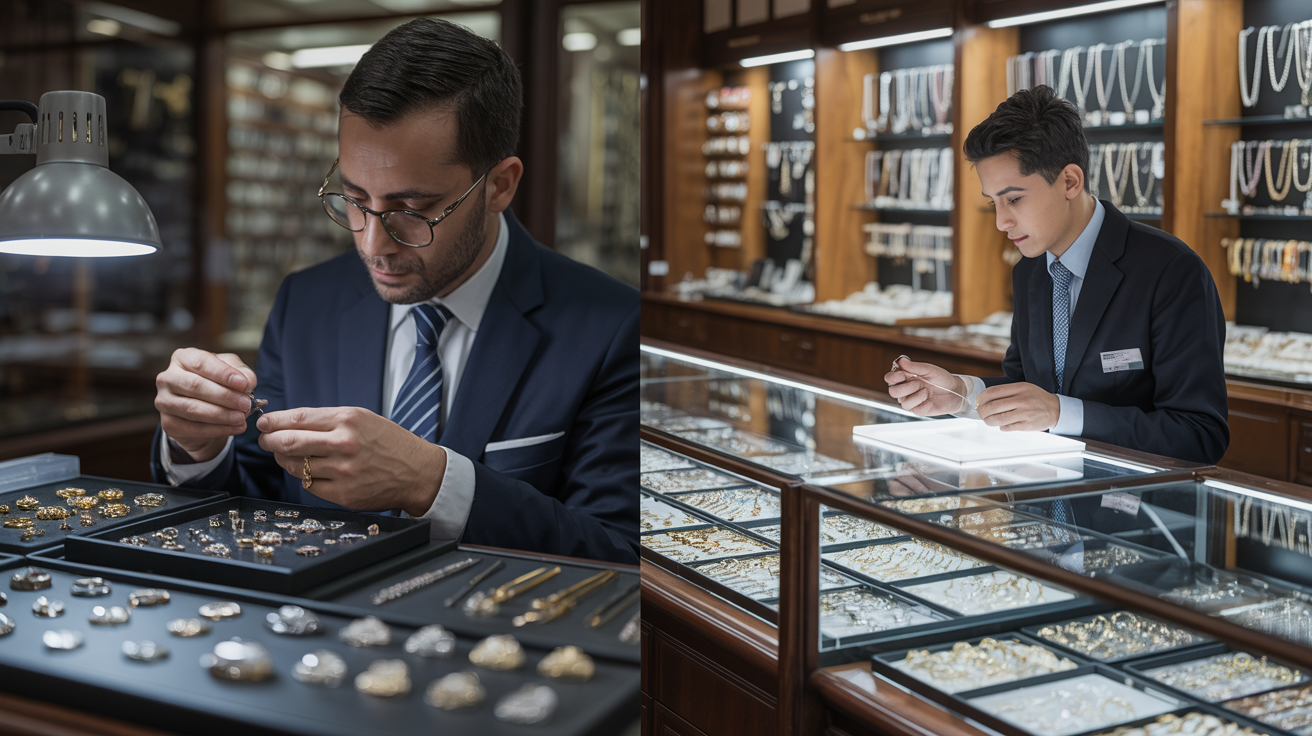
Specialist dealers pay premium rates for high-value items because they understand niche markets better than general jewellers. This difference becomes significant for items worth £500 or more.
| Item Type | General Jewellers | Specialist Dealers | Difference |
|,,,,,-|,,,,,,,,,|,,,,,,,,,-|,,,,,,|
| Gold sovereigns | 75-80% spot | 85-92% spot | 10-15% higher |
| Diamond rings | Scrap value only | 40-60% retail | 200-400% higher |
| Antique pieces | Weight value | Collector premium | 50-150% higher |
| Branded watches | Component value | Model-specific | 100-300% higher |
| Gold bullion | 80-85% spot | 90-95% spot | 5-10% higher |
General dealers focus on gold weight and basic gemstone values. They buy everything at scrap rates because they lack specialist knowledge to price collector items, designer pieces, or investment metals properly.
Specialist dealers understand specific markets. A coin dealer knows which sovereigns carry numismatic premiums. A diamond specialist can grade stones and price them for resale. An antique dealer recognizes maker marks that add value beyond metal content.
The threshold where specialists justify their higher percentages typically starts around £500 per item. Below this value, the extra authentication time and specialist knowledge don’t generate enough profit to warrant premium pricing.
One catch: specialists are pickier about condition and authenticity. They’ll reject items that general dealers would buy at scrap rates. A damaged antique ring might get scrap value from a generalist or nothing from a specialist.
What Should You Actually Expect During Hatton Garden Testing?
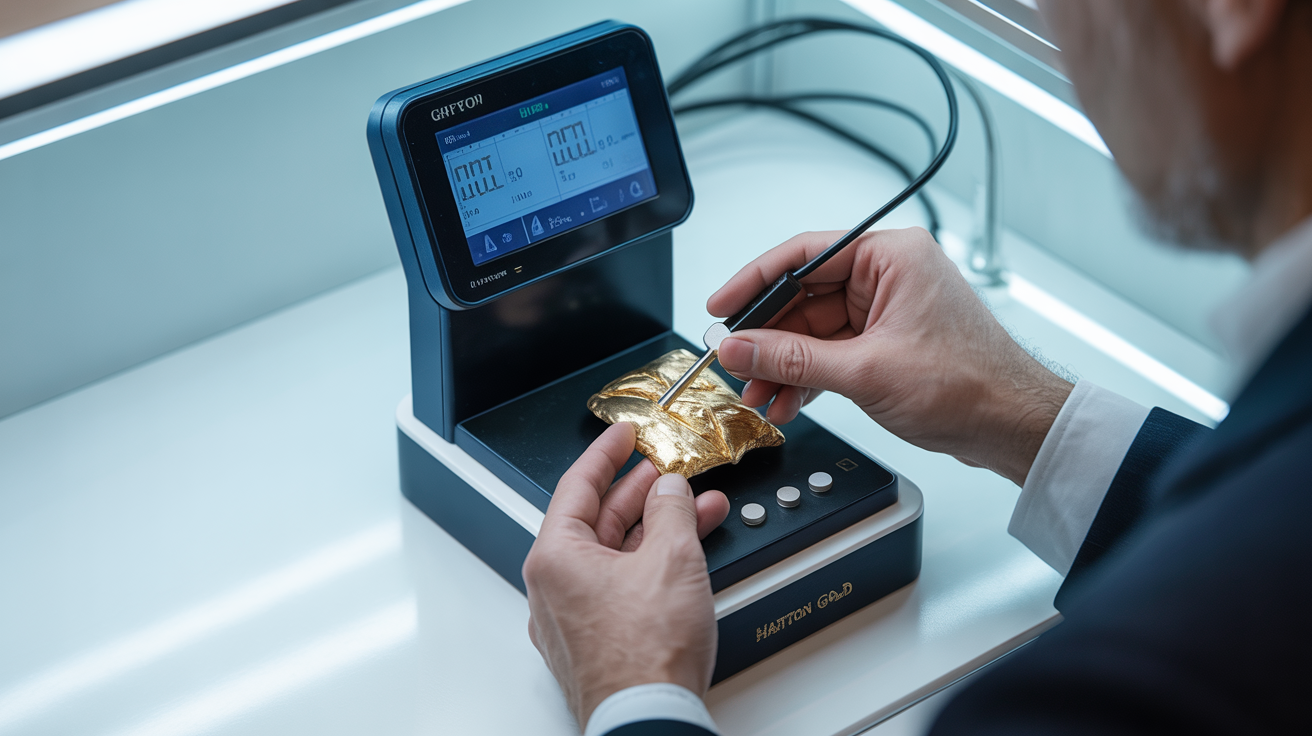
Gold testing determines final purchase price and varies significantly between dealers. Understanding the process prevents surprises and helps you spot unreliable operators.
Most dealers use electronic testing for speed and accuracy. The device touches your gold briefly and displays purity within 30-45 seconds. This method works well for hallmarked items and gives consistent results between dealers.
Acid testing takes longer but handles problem items better. The dealer files a small scratch, applies acid drops, and watches the reaction. This process takes 2-3 minutes per item but works on plated, filled, or questionable gold that confuses electronic testers.
Hallmark verification happens first. UK dealers check stamps against official registers to confirm authenticity. If hallmarks don’t match testing results, expect delays while the dealer investigates the discrepancy.
Some dealers refuse items that test differently from their hallmarks. Others buy at the tested purity regardless of stamps. Ask about their policy before testing begins to avoid wasted time.
Weight verification uses certified scales, usually to 0.01g accuracy. You can ask to see the reading and verify it matches your home scales. Significant differences might indicate moisture in older items or worn-down chains.
One thing that surprises first-time sellers: testing destroys small amounts of your gold through filing and acid application. The loss is minimal but visible, especially on polished items.
Frequently Asked Questions
Do I need an appointment to sell gold in Hatton Garden?
Most Hatton Garden dealers accept walk-ins during business hours, but specialist dealers and those handling high-value items often prefer appointments. Calling ahead saves waiting time and ensures the right staff member is available for your valuation.
How long does it take to get quotes from multiple Hatton Garden dealers?
Visiting 4-5 dealers for quotes takes 2-3 hours including walking time between shops. Each valuation takes 10-15 minutes once you reach the counter, but waiting times vary by dealer and time of day.
Are Hatton Garden gold prices better than postal gold services?
Hatton Garden dealers often match or beat postal service rates because they save on shipping insurance and processing costs. However, postal services sometimes offer higher percentages of spot price, making comparison essential before choosing your selling method.