

To sell diamond auction UK successfully requires exceptional stones worth £3,000+, but most diamonds achieve better net returns through private buyers who skip the 10-25% auction fees.
Key Takeaways:
• Auction houses charge 10-25% seller’s premium plus VAT but can achieve 40-60% of retail for exceptional stones
• Diamonds under 2 carats rarely meet auction house minimum lot values of £1,500-£3,000
• Auction timeline runs 3-6 months from consignment to payment vs 3-7 days for private buyers
When Should You Actually Sell Your Diamond at Auction?

Diamond auction suitability is the match between your stone’s characteristics and auction house minimum standards. This means only diamonds with exceptional rarity, provenance, or size justify the lengthy process and substantial fees.
Diamond auction market dynamics favour stones above 2 carats with premium certifications. Major UK auction houses like Bonhams set minimum lot values between £1,500-£3,000, which eliminates most standard engagement rings and everyday jewellery. Your 1.2-carat princess cut with H colour and SI1 clarity doesn’t meet these thresholds, regardless of what you paid retail.
Certification requirements add another barrier. Stones need GIA, Gübelin, or SSEF certificates to qualify for premium lots. Period pieces from Art Deco or Victorian eras command auction premiums due to their historical significance. Branded diamonds from Tiffany, Cartier, or Van Cleef maintain some brand recognition at auction, though far less than retail suggests.
The harsh reality: 80% of diamonds suit private buyers better. Your everyday solitaire engagement ring, tennis bracelet diamonds, or inherited cluster rings lack the rarity that auction houses seek.
How Much Do UK Auction Houses Actually Charge?
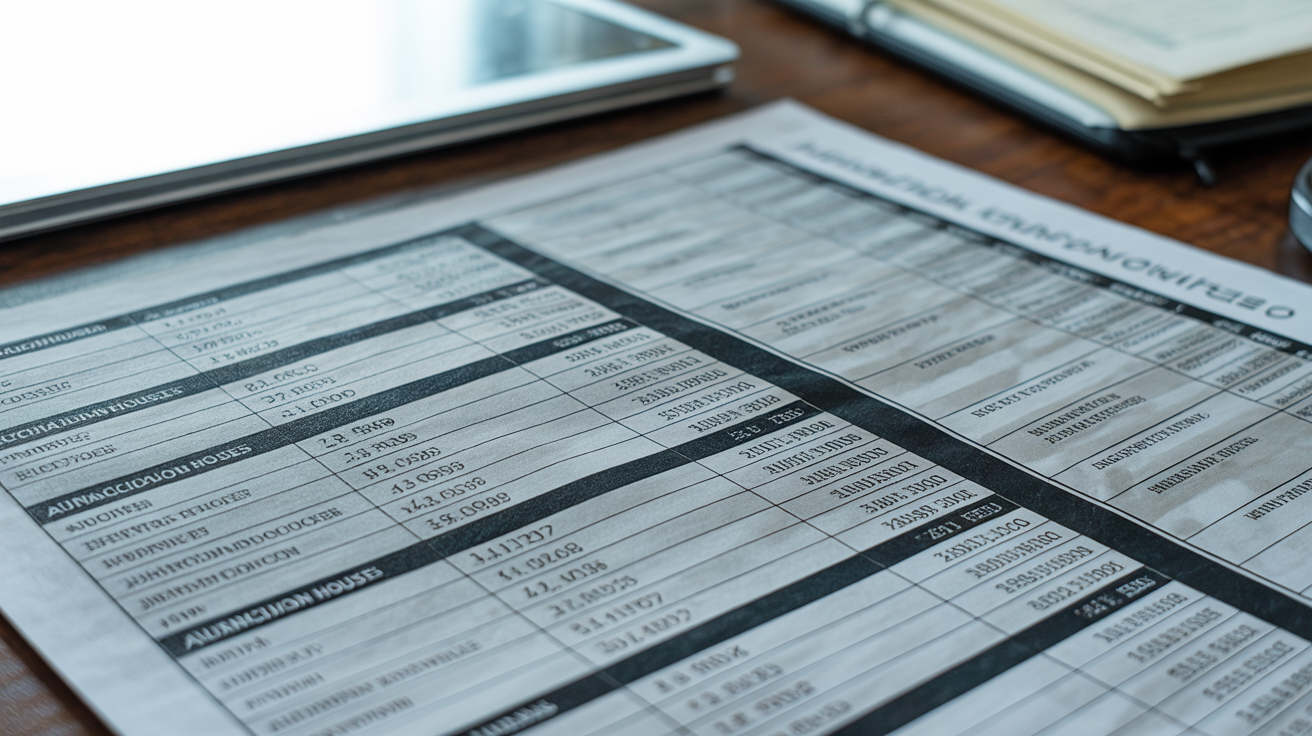
Auction houses charge seller premiums that significantly reduce your net proceeds. Understanding these fees helps you calculate whether auction makes financial sense for your specific diamond.
| Fee Type | Bonhams | Christie’s | Sotheby’s |
|---|---|---|---|
| Seller’s Premium | 10-15% | 12-20% | 15-25% |
| Insurance | 1.5% | 2% | 2% |
| Photography | £50-200 | £100-300 | £150-400 |
| Unsold Lot Fee | £150 | £200 | £250 |
These percentages apply to the hammer price, not your estimate. A £10,000 sale through Bonhams costs you £1,000+ in seller’s premium, £150 insurance, and £100 photography, totaling £1,250 before VAT. Your net proceeds: £8,750.
Unsold lot charges hurt most. If your diamond fails to meet its reserve price, you still pay handling fees of £150-£250 plus any photography costs already incurred. This risk explains why many sellers set reserves too low, accepting poor results rather than paying fees for nothing.
Cataloguing fees vary by lot placement. Premium catalogue positions cost £200-£500 extra but improve visibility among serious collectors. Standard listings get buried among hundreds of other lots.
What Types of Diamonds Actually Suit Auction vs Private Sale?

Exceptional diamonds perform better at auction because they attract collectors willing to pay premiums for rarity. Standard commercial stones suit private buyers who focus on intrinsic value rather than collecting appeal.
• Rare fancy colours, Pink, blue, or green diamonds above 1 carat with strong saturation achieve auction premiums up to 40% above dealer offers
• Historical pieces, Art Deco settings, Victorian clusters, or documented provenance from famous collections command collector interest
• Exceptional clarity, FL or IF stones above 3 carats attract investors seeking museum-quality examples
• Unusual cuts, Cushion cuts from the 1920s, old mine cuts, or rose cuts appeal to period jewellery collectors
• Branded heritage pieces, Cartier, Tiffany, or Van Cleef items with original boxes and certificates maintain some brand premium
Private buyers handle everything else more efficiently. Your modern brilliant cut, commercial colour grades (G-J), or typical clarity grades (VS1-SI2) get realistic offers without the drama and fees of auction consignment.
Diamond buyer expertise varies significantly. Specialist dealers understand market nuances that general jewellery buyers miss, particularly for coloured diamonds or period cuts that require specific knowledge to value properly.
How Long Does the Diamond Auction Process Actually Take?

Auction timelines stretch 3-6 months from initial contact to payment, assuming your diamond sells successfully. Each step involves waiting periods that private sales avoid entirely.
- Initial assessment, Submit photos and certificates for preliminary evaluation, expect 7-14 days for response
- Gemologist valuation, Physical examination by auction house specialists takes 2-3 weeks after receiving your item
- Catalogue preparation, Photography, description writing, and estimate setting requires 4-6 weeks before sale date
- Marketing period, Catalogue distribution and viewing appointments run 2-3 weeks before auction
- Sale day, Your lot may appear early or late in the session depending on estimated value
- Payment processing, Successful sales generate payment 4-6 weeks after hammer falls
Unsold lots extend this timeline further. You can reduce reserves for the next auction (adding another 3-4 months) or withdraw the item and try private buyers instead.
Gemologist valuation accuracy varies between houses. Smaller auction rooms may lack specialists for coloured diamonds or period cuts, leading to conservative estimates that reduce final results.
How Do Auction Payouts Compare to Private Diamond Buyers?

Auction results vary dramatically based on market conditions, lot placement, and bidder interest on sale day. Private buyers offer predictable results without the uncertainty.
| Diamond Type | Auction Net Result | Private Buyer | Timeline |
|---|---|---|---|
| 2ct+ Exceptional | 40-60% of retail | 25-35% of retail | 3-6 months |
| Standard 1-2ct | 20-35% of retail | 25-35% of retail | 3-6 months |
| Under 1ct | Often rejected | 15-25% of retail | 3-7 days |
| Coloured/Rare | 45-70% of retail | 30-40% of retail | 3-6 months |
These figures include all auction fees and assume successful sales. Unsold lots achieve zero percent of retail while still incurring handling charges.
RapNet diamond pricing provides wholesale benchmarks that private buyers reference when making offers. Auction results can exceed these benchmarks for exceptional stones but often fall short for standard commercial diamonds that lack collecting appeal.
Private diamond buyer expertise determines offer accuracy. Specialists who understand cut quality, fluorescence effects, and certification nuances provide more accurate valuations than general jewellery buyers who treat all diamonds as commodity items.
Market timing affects auction results more than private sales. A poorly attended sale or competing high-profile lots can depress bidding for your specific diamond, while private buyers maintain consistent pricing regardless of external factors.
Should You Try Postal Diamond Services Before Auction?

Diamond postal selling services provide quick market reality checks before committing to the lengthy auction process. Understanding what private buyers offer helps you set realistic auction reserves and timeline expectations.
Postal services typically respond within 3-7 days of receiving your diamond, compared to 2-3 weeks for auction house preliminary assessments. This speed advantage helps you gauge market interest without the commitment required for auction consignment.
Gemologist valuation through postal services varies in quality. Some companies employ GIA-trained staff who provide detailed assessments, while others rely on basic weight and clarity checks that miss important value factors like cut quality or fluorescence issues.
Rejection rates for postal services run 15-20% for diamonds under 1 carat or those with significant clarity issues. These same stones face even higher rejection rates at auction houses, making postal evaluation a useful screening tool before pursuing auction consignment.
Timing considerations matter when using postal services as auction alternatives. If auction houses quote 4-6 month timelines, postal buyers can provide firm offers within one week, allowing you to secure immediate payment rather than gambling on uncertain auction results.
Frequently Asked Questions
What happens if my diamond doesn’t sell at auction?
You’ll pay handling fees of £50-£200 even if your diamond remains unsold. Most auction houses allow you to reduce the reserve price for the next sale or withdraw the item and try private buyers instead.
Do I need a diamond certificate to sell at auction?
Yes, major UK auction houses require GIA, Gübelin, or SSEF certification for diamonds over 1 carat. Uncertified stones must undergo in-house gemologist assessment, which delays the process and may reduce final valuations.
Can I set a minimum price when consigning my diamond to auction?
Most auction houses allow reserve prices, typically set at 60-80% of the low estimate. However, reserves reduce bidding activity and may result in your diamond going unsold if market interest is weak.