

If you want to sell my diamond necklace, understand this: your piece isn’t worth what you paid. Understanding how buyers price both the stones and metal separately reveals what you can expect to receive.
Key Takeaways:
- Diamond necklaces typically sell for 20-40% of retail value, with certified stones commanding higher percentages
- The chain metal can represent 15-60% of total value depending on gold carat and weight
- Solitaire pendants generally achieve better resale rates than multi-stone designs due to easier grading
What Is Your Diamond Necklace Actually Worth?
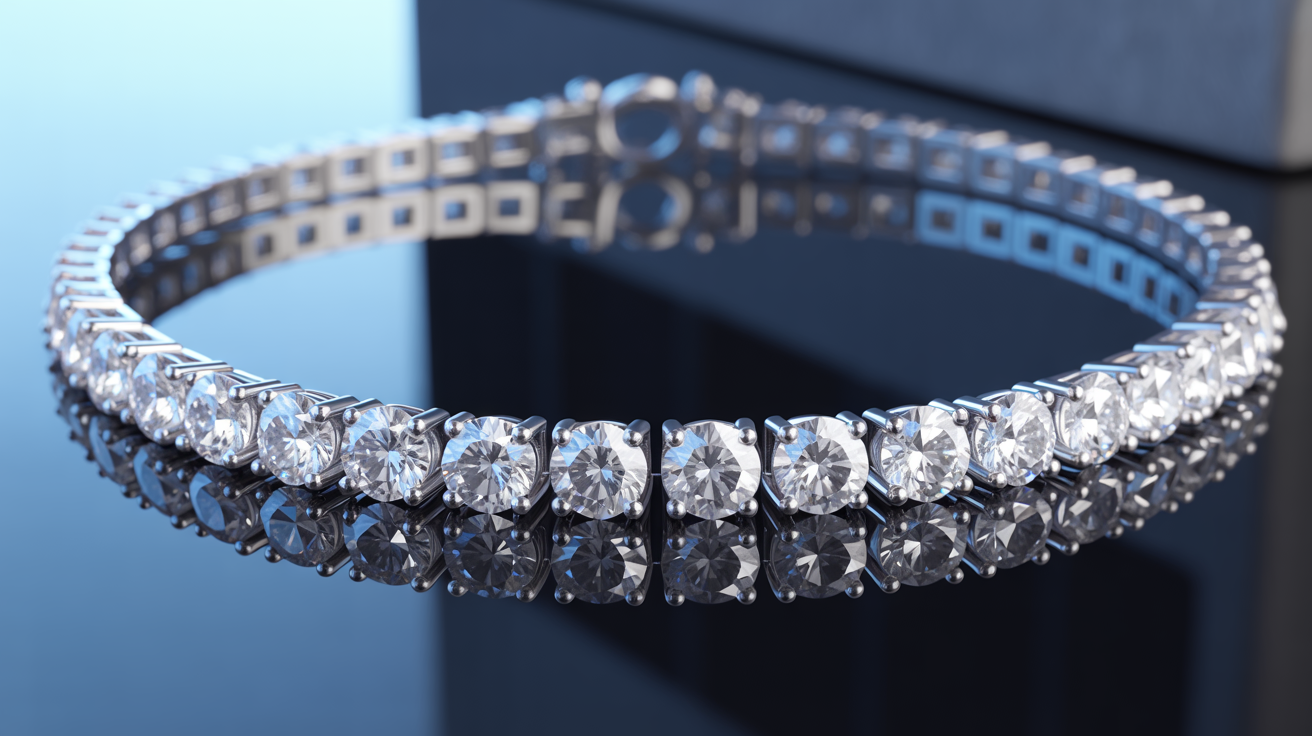
Diamond necklace value is the combined worth of your stones plus your setting metal. This means buyers assess each component separately before making an offer.
The diamond resale market operates on harsh mathematics. Diamond jewellery typically resells for 20-40% of original retail price. That £2,000 pendant you bought? Expect offers between £400-£800. The gap exists because retail prices include massive markups covering showroom costs, sales commissions, and profit margins that disappear the moment you walk out of the shop.
Terminology matters when selling. A necklace contains multiple diamonds set along the chain itself. A pendant holds diamonds in a single focal piece hanging from a plain chain. Buyers price these differently. Necklaces with diamonds throughout the chain face complex grading where every stone gets evaluated. Pendants concentrate value in one assessable piece.
Your diamond’s 4Cs grading determines the stone portion of value. Carat weight, clarity, colour, and cut create the baseline price. Certified stones from GIA or other recognized labs command premiums because buyers trust the grading. Uncertified diamonds get conservative valuations since buyers must grade them personally, factoring uncertainty into their offers.
The setting adds separate value based on metal type and weight. An 18ct gold chain contributes significantly more than 9ct gold of equivalent weight. Silver adds minimal value. Platinum commands premiums but remains less common in necklaces than rings.
How Do Buyers Value Your Chain vs Your Diamonds?
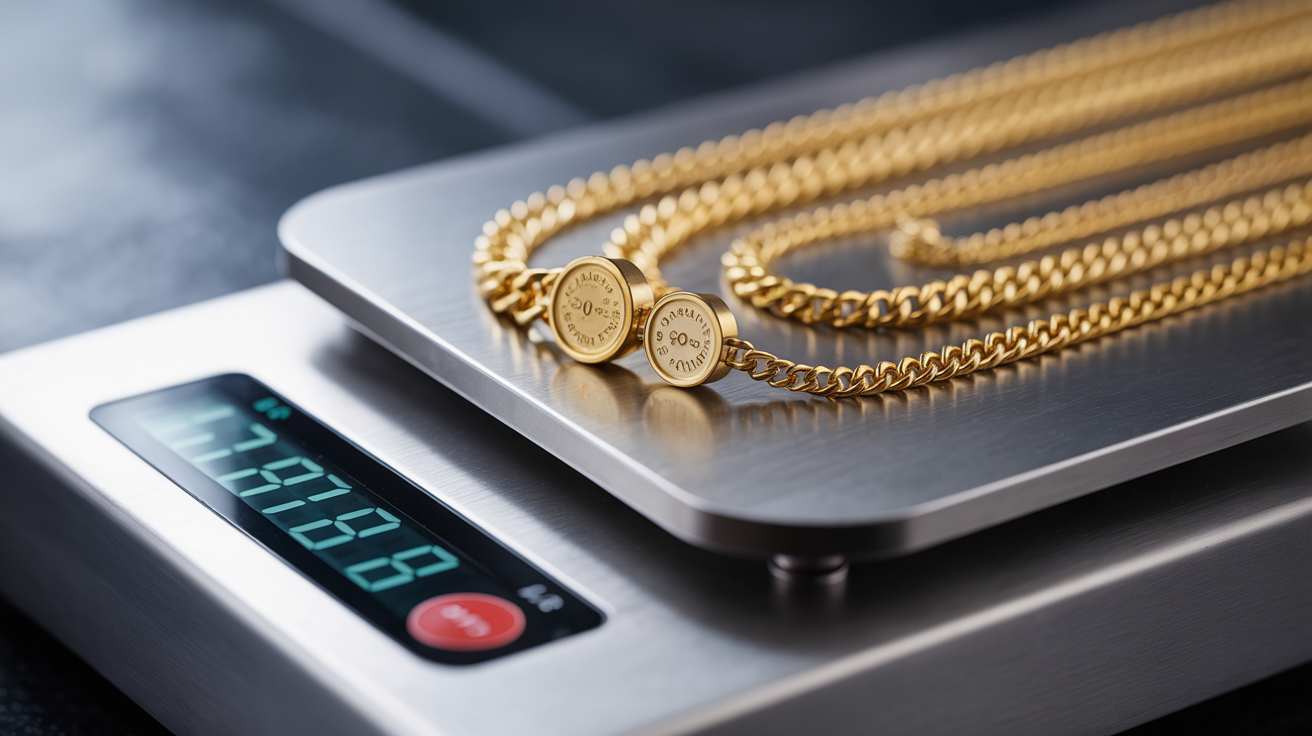
Chain metal value varies by gold carat and total weight. Buyers weigh your entire piece, then subtract estimated stone weight to calculate pure metal content.
| Chain Type | Value Contribution | Pricing Method |
|---|---|---|
| 9ct Gold Chain | 20-35% of total value | Weight × daily gold rate × 37.5% purity |
| 14ct Gold Chain | 30-45% of total value | Weight × daily gold rate × 58.5% purity |
| 18ct Gold Chain | 40-60% of total value | Weight × daily gold rate × 75% purity |
| Silver Chain | 5-15% of total value | Scrap silver rate (minimal) |
| Platinum Chain | 45-65% of total value | Weight × platinum rate × 95% purity |
Buyers separate your necklace into two value streams. They calculate scrap metal value first, weighing the entire piece and estimating stone weight to determine pure metal content. Then they assess diamond value separately using current wholesale rates for your stone specifications.
18ct gold chains contribute 40-60% more value than 9ct chains of equivalent weight. This difference stems from gold content: 18ct contains 75% pure gold versus 37.5% in 9ct. Buyers pay based on recoverable gold, making higher-carat chains disproportionately valuable.
Diamond jewellery condition affects both components. Damaged chains reduce metal recovery value. Loose stone settings create safety concerns that lower offers. Clean, well-maintained pieces get full valuations while neglected jewellery faces deductions for restoration costs.
Weight measurement happens in grams, not pennyweights or ounces used elsewhere. Buyers use precision scales measuring to 0.1g accuracy. Heavy chains with substantial gold content can surprise sellers by contributing more value than expected, particularly in chunky vintage designs from eras when gold was cheaper.
Does Your Pendant Style Affect Sale Price?
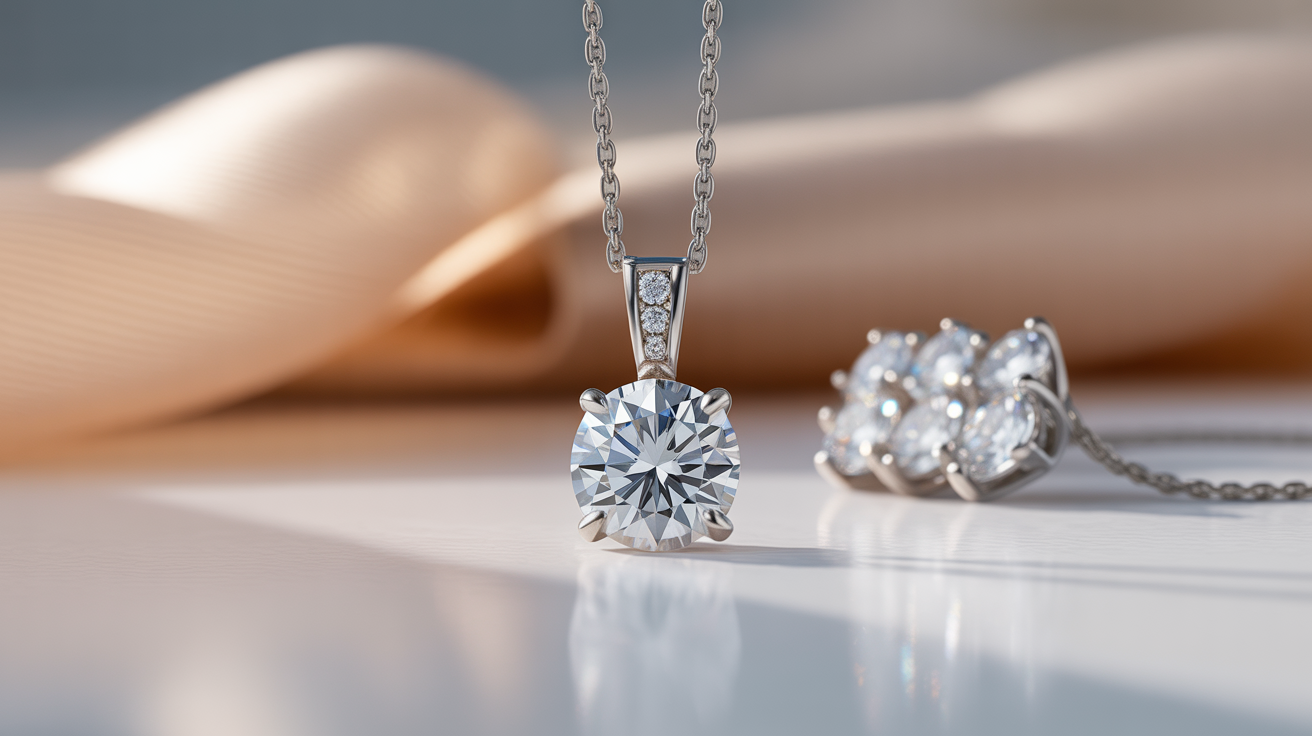
Solitaire pendants achieve higher resale percentages than multi-stone designs because single stones are easier to grade and more liquid in the wholesale market.
| Pendant Style | Typical Resale Rate | Buyer Preference |
|---|---|---|
| Solitaire (single stone) | 25-40% of retail | High – easy grading |
| Halo setting | 20-35% of retail | Medium – complex evaluation |
| Multi-stone line | 15-30% of retail | Lower – multiple gradings |
| Cluster design | 10-25% of retail | Lowest – small stones, complex |
| Vintage art deco | 30-50% of retail | High if documented period |
Single-stone pendants typically achieve 5-15% higher resale rates than multi-stone equivalents. Buyers prefer solitaires because they can quickly assess one stone rather than grading multiple diamonds with potentially different qualities. The wholesale market also favors individual certified stones over small diamond clusters.
Design complexity works against resale value. Intricate settings with multiple small stones require extensive evaluation time. Each stone needs individual assessment, creating labor costs buyers factor into their offers. Simple bezel or prong settings holding single stones get processed faster and command better rates.
Vintage designs can buck this trend when properly documented. Art deco or Georgian pieces with provenance occasionally achieve premiums above component value. However, most “vintage-style” modern pieces get valued purely on stone and metal content without design premiums.
Diamond buyer expertise varies significantly. Specialists familiar with period jewelry recognize valuable design elements. General buyers focus on scrap value, missing design premiums that specialist dealers would recognize and pay for.
Which Diamond Necklace Brands Actually Add Value?
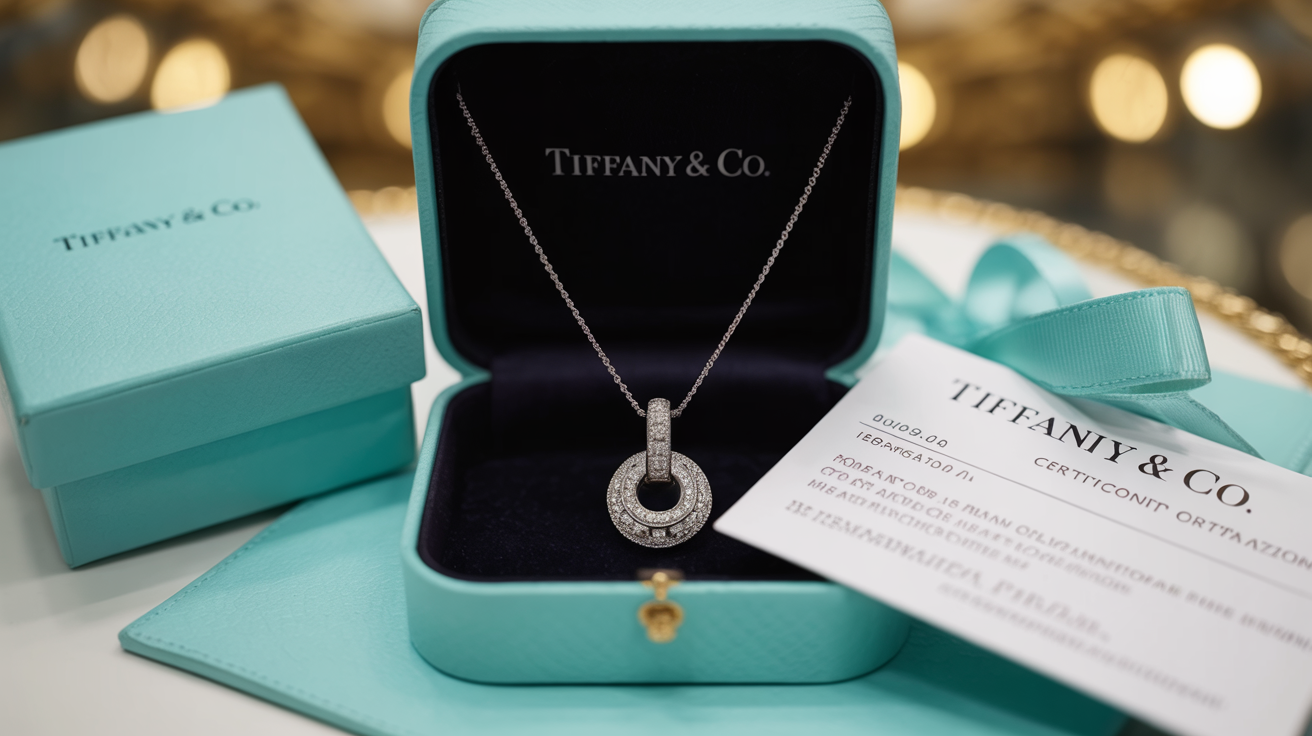
Branded necklaces command premium pricing above component value when buyers recognize and can authenticate the maker.
Tiffany & Co. pieces achieve consistent premiums when accompanied by original boxes and certificates. Buyers pay 10-25% above component value for authenticated Tiffany necklaces because the resale market remains strong.
Cartier necklaces command similar premiums to Tiffany, particularly pieces from recognized collections like Love or Trinity. Documentation proving authenticity is essential since counterfeits are common.
Van Cleef & Arpels pieces can achieve substantial premiums, especially Alhambra collection necklaces. The distinctive clover motif is recognizable and holds value well in the luxury resale market.
Bulgari necklaces achieve moderate premiums when properly documented. B.zero1 and Serpenti collection pieces are most recognizable to buyers and command best rates.
Harry Winston pieces achieve the highest premiums among ultra-luxury brands, though authentication requirements are strict given the brand’s exclusivity.
Chopard and Boucheron achieve smaller but meaningful premiums in the specialist market, though general buyers often overlook these brands entirely.
Most high-street brands add no resale premium. Pandora, Swarovski, or department store brands get valued purely on component worth. The engagement ring market dynamics don’t translate to necklaces, where brand recognition matters less than with rings.
Documentation requirements are strict for brand premiums. Original certificates, boxes, and purchase receipts are essential. Buyers won’t pay brand premiums based on hallmarks alone given the prevalence of convincing replicas.
What Condition Issues Kill Your Necklace’s Value?
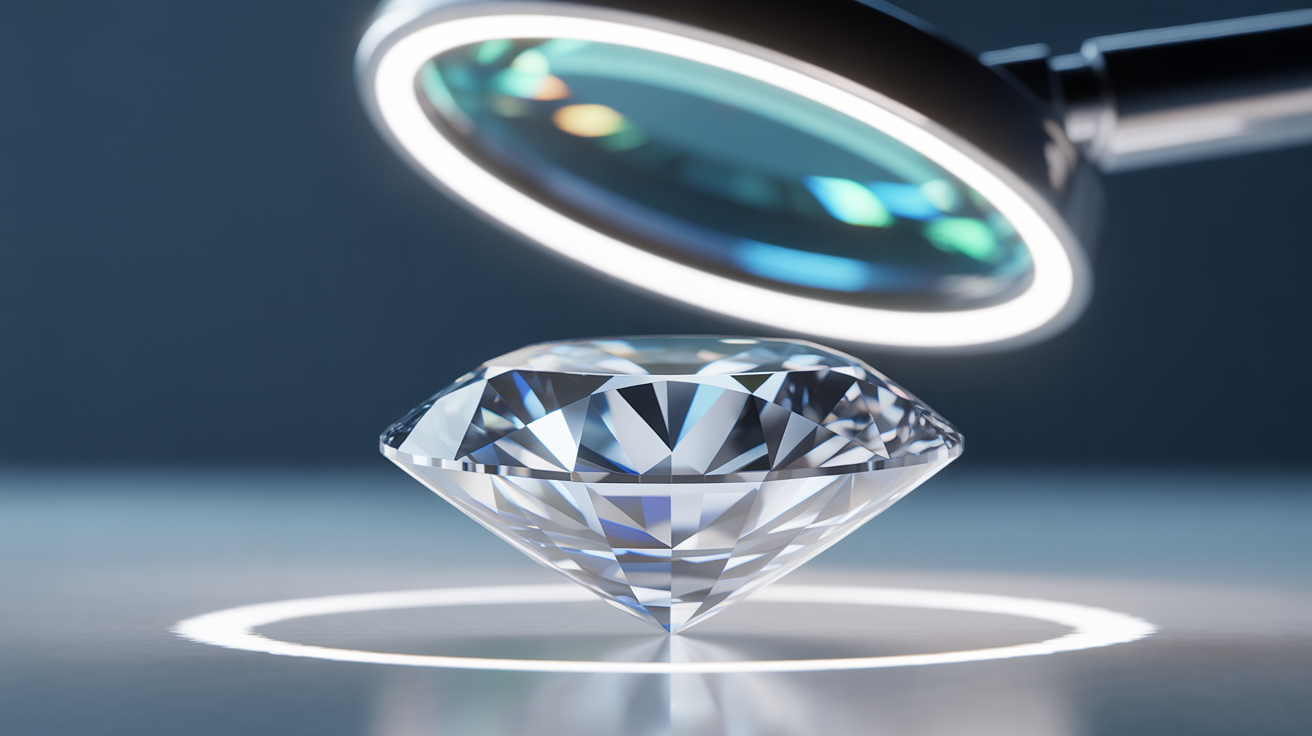
Diamond condition determines final buyer offer amount. Even minor damage can trigger significant deductions.
Inspect stones for chips and cracks using a magnifying glass under good lighting. Edge chips are most common and immediately visible to buyers. Surface scratches on softer stones like emeralds dramatically reduce offers.
Check all prong settings by gently wiggling each stone. Loose stones create liability concerns that buyers address through major deductions or setting repair requirements before purchase.
Examine chain links and clasps for wear, stretching, or damage. Broken clasps require professional repair but don’t kill deals. Stretched links indicate heavy wear that reduces metal recovery value.
Test chain flexibility by gently manipulating the links. Stiff or kinked sections suggest internal damage that may not be economically repairable.
Clean thoroughly before evaluation using appropriate methods for your specific stones and metals. Many apparent condition issues are actually dirt or tarnish that cleaning resolves.
Chips or cracks in diamonds can reduce offers by 30-50% regardless of original quality. Unlike gold, which retains value when damaged, diamonds lose significant worth with any structural damage. Buyers must account for repolishing costs or accept reduced wholesale values.
Professional restoration rarely pays for itself. Repair costs often exceed the value improvement, particularly for mid-range pieces. Clean your necklace properly, but avoid expensive restoration unless you’re keeping the piece.
Actually, one major exception exists: if loose stone settings can be tightened easily, this simple repair often pays for itself by eliminating buyer concerns about stone security during evaluation and potential loss.
Where Should You Actually Sell Your Diamond Necklace?

Diamond buyers specialize in different necklace types and price ranges. Matching your piece to the right buyer category maximizes your return.
Specialist diamond dealers focus exclusively on certified stones and typically offer 15-25% more than general gold buyers for quality pieces. They understand diamond grading nuances and maintain wholesale relationships that support higher offers. However, they often won’t buy uncertified stones or pieces with minimal diamond content.
General jewelry buyers accept everything but price conservatively. They’re ideal for uncertified pieces, damaged items, or necklaces where metal value exceeds stone value. Their offers reflect scrap pricing rather than retail potential, but they provide certainty and quick transactions.
Auction houses suit high-value pieces exceeding £5,000, particularly branded or period pieces. Christie’s, Sotheby’s, and regional auction houses can achieve retail-adjacent prices for exceptional pieces. However, commission rates of 20-30% plus insurance and cataloging fees make auctions uneconomical for mid-range necklaces.
Online buyers offer convenience but require posting your necklace with inherent risks. Reputable online services provide insured shipping and money-back guarantees if you reject their offers. Their pricing often matches specialist dealers since they operate with lower overhead costs.
Local jewelers in Hatton Garden or Birmingham’s Jewelry Quarter provide immediate payment but often focus on scrap value rather than retail potential. They’re best for quick sales where convenience trumps maximum return.
The diamond resale market favors certified stones from recognized labs. GIA, GÜBELIN, or SSEF certificates command premiums across all buyer categories. Uncertified diamonds face 20-30% deductions as buyers price in grading uncertainty and potential quality risks.
Frequently Asked Questions
How much is my diamond pendant worth today?
Diamond pendant value depends on the stone’s carat weight, clarity, colour and cut plus the chain’s metal type and weight. Most pendants sell for 20-40% of their original retail price, with certified stones achieving higher percentages. The metal chain contributes 15-60% of total value depending on gold content.
Should I sell my diamond necklace to a jeweller or online?
Specialist diamond buyers typically offer 15-25% more than general jewellers for certified stones over 0.5 carats. Online buyers can match these rates but require posting your necklace, while local jewellers offer immediate payment but often lower prices. Choose based on your priority: maximum value or immediate payment.
Can I sell a diamond necklace without certification papers?
Yes, but uncertified diamonds typically receive offers 20-30% lower than certified equivalents. Buyers must grade the stone themselves, which introduces uncertainty they account for in their pricing. The process also takes longer as buyers need additional evaluation time.