

Probate jewellery valuation UK requirements catch most executors unprepared. Get it wrong and you face HMRC penalties, rejected inheritance tax returns, and potential challenges from beneficiaries. The rules are specific, the thresholds are strict, and the consequences are expensive.
Key Takeaways:
- HMRC requires professional appraisals for individual items worth over £1,500, not insurance valuations
- Open market value for probate averages 40-60% less than insurance replacement values
- IHT407 form completion errors cost estates an average of 6-8 weeks in processing delays
What’s the Difference Between Probate and Insurance Jewellery Valuations?

Probate valuations use open market value. Insurance valuations use replacement cost. This is the fundamental difference that trips up most executors.
Open market value means what a willing buyer would pay a willing seller in the current market. For gold jewellery, this typically equals scrap gold value plus any premium for craftsmanship or brand recognition. When you sell inherited jewellery UK pieces, this is the baseline price you’ll receive.
Insurance replacement value means what it would cost to buy an identical item new from a retailer today. Insurance companies need this figure to calculate premiums and settle claims. Executors don’t.
| Valuation Type | Purpose | Typical Value Range | HMRC Acceptance |
|---|---|---|---|
| Open Market Value | Probate/inheritance tax | 40-60% of insurance value | Required |
| Insurance Replacement | Insurance claims | 150-250% of market value | Rejected |
| Retail Purchase Price | Historical reference | Varies widely | Not relevant |
Insurance valuations typically run 150-250% higher than open market probate values. A gold ring valued at £3,000 for insurance might only be worth £1,200 at open market value. Using the insurance figure on your IHT407 form will trigger an HMRC investigation.
The deceased’s insurance documents are worthless for probate purposes. HMRC specifically states that insurance valuations “do not represent open market value” and will reject returns based on them. You need fresh probate-specific appraisals that reflect what buyers actually pay, not what retailers charge.
When Does HMRC Require Professional Jewellery Appraisals for Probate?
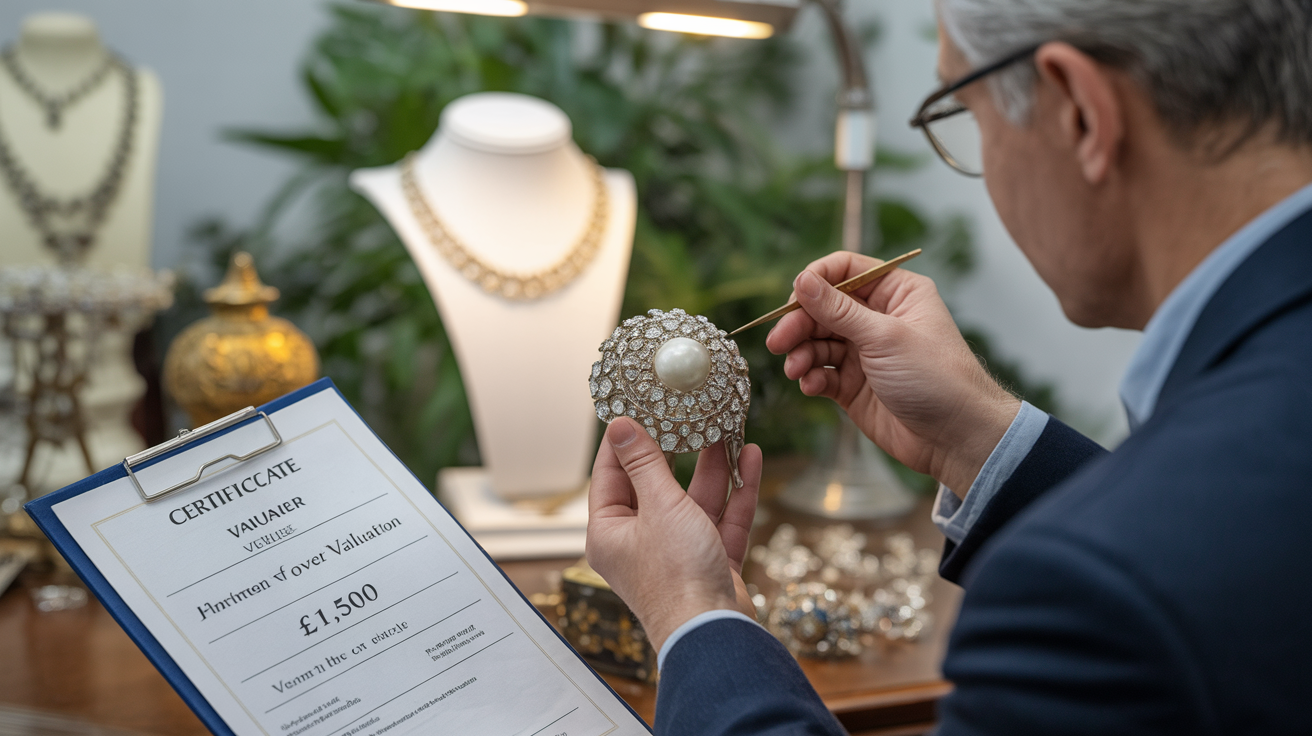
HMRC requires professional appraisal for items over £1,500. Individual jewellery items worth over £1,500 require RICS-qualified valuer certification.
Here’s the step-by-step threshold process:
Value each item separately using reasonable estimates. Check recent sales of similar pieces, compare with current gold prices, or get informal quotes from local dealers.
Identify items potentially worth over £1,500. This includes substantial gold rings, diamond engagement rings, watches, and inherited gold bars or coins.
Obtain professional appraisals for threshold items. Book appointments with RICS-qualified valuers who specialize in probate work.
Group items under £1,500 for executor valuation. You can estimate these yourself using market research, online calculators, or informal dealer opinions.
Document your valuation method for all items. HMRC may ask how you arrived at figures, especially for borderline cases.
Executors can use their own estimates for items below the £1,500 threshold. This means you can check hallmarks on your gold pieces, calculate scrap values using current market rates, and make reasonable judgments about craftsmanship premiums.
Get it wrong and HMRC will challenge the entire return. If they discover you undervalued items to avoid professional appraisal costs, expect penalties of 20% of additional tax owed plus interest charges.
How Do You Complete HMRC Form IHT407 for Jewellery Assets?
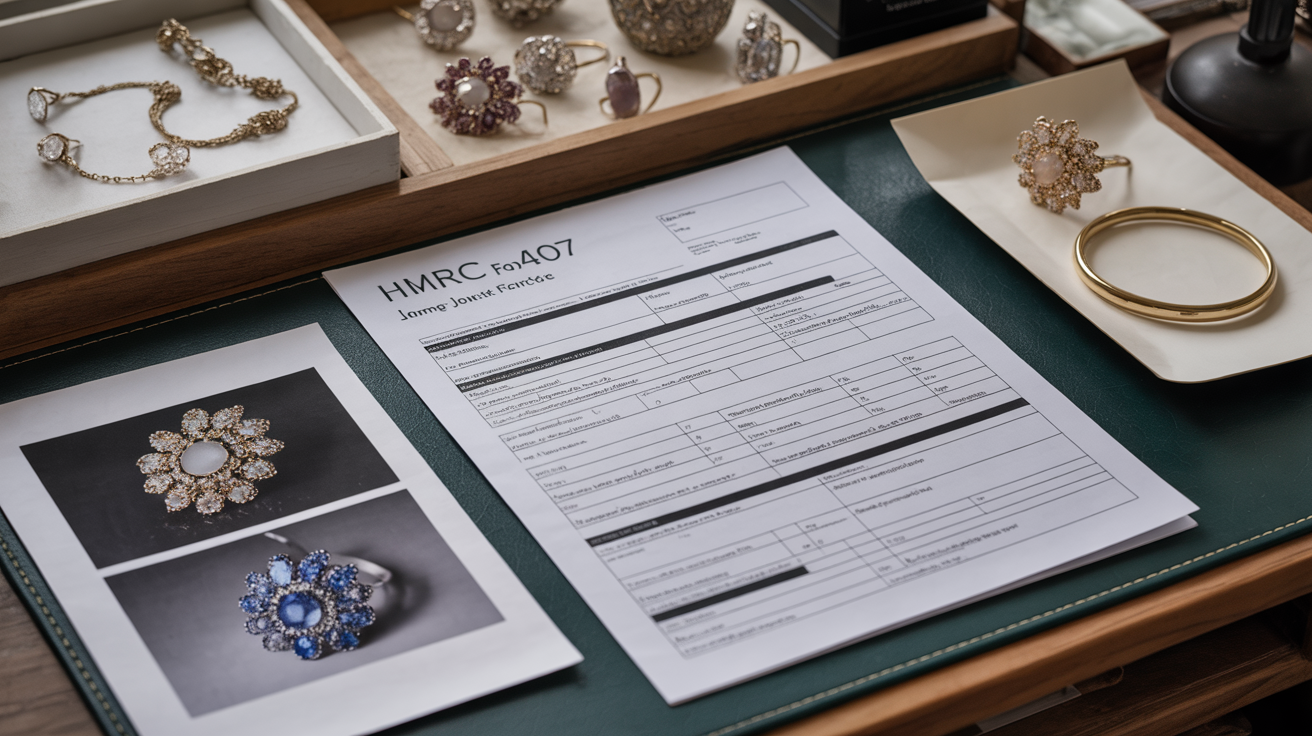
IHT407 form requires specific jewellery details for inheritance tax calculation. The form breaks jewellery into categories with different reporting requirements.
Section A covers items requiring professional valuation. List each piece separately with full descriptions, appraisal values, and valuer credentials. Include photographs if the valuer recommends them.
Section B covers items under the professional threshold. Group similar pieces together but provide reasonable detail about quantities and estimated values.
| IHT407 Section | Item Threshold | Required Information | Supporting Documents |
|---|---|---|---|
| Section A | Over £1,500 each | Full description, professional valuation, valuer details | RICS appraisal certificate |
| Section B | Under £1,500 each | Group description, total estimated value | Executor’s working notes |
| Section C | Disposed items | Sale details, buyer information, net proceeds | Sale receipts, correspondence |
Common errors that trigger HMRC queries include mixing insurance values with market values, failing to separate items by threshold, and providing insufficient detail about valuation methods.
Your supporting documentation must include the original death certificate, probate valuation certificates for threshold items, and clear working notes showing how you estimated lower-value pieces. Keep receipts if you sell any items during the probate process.
The inheritance tax threshold currently stands at £325,000 for individuals. Jewellery values contribute to this total, which determines whether the estate owes inheritance tax. Getting valuations wrong affects not just the immediate tax calculation but also future capital gains tax calculations when beneficiaries eventually sell pieces.
How Do You Find a Qualified Probate Jewellery Valuer?

Professional valuers must hold RICS qualification for HMRC acceptance. The Royal Institution of Chartered Surveyors maintains strict standards for probate valuation work.
Here’s how to locate and verify qualified valuers:
• Check the RICS Find a Surveyor database online. Search specifically for “chattels and fine art” specialists in your area who handle probate work.
• Verify current professional indemnity insurance. All RICS members must carry minimum £250,000 professional indemnity cover for valuation errors.
• Confirm probate experience specifically. General jewellery valuers may lack probate expertise and use inappropriate valuation methods.
• Request sample probate valuation reports. Professional reports should clearly state “open market value for probate purposes” and explain methodology.
• Compare geographic coverage and travel costs. Some valuers charge travel time and expenses for home visits outside their usual area.
RICS-qualified valuers charge £150-400 per probate jewellery appraisal depending on complexity. Simple pieces like plain gold bands cost less than elaborate diamond settings or antique pieces requiring research.
The valuation report must contain specific elements: clear identification of each item, detailed descriptions including weights and measurements, methodology explanation, date of valuation, and the valuer’s RICS membership number. HMRC will reject reports missing any of these components.
What Happens if You Get Probate Jewellery Valuations Wrong?

Incorrect valuations trigger HMRC investigations and result in penalties and delays. The tax authority has extensive powers to challenge estate valuations and impose financial penalties.
HMRC can impose penalties of 20% of additional tax owed for significant undervaluations. If they determine you deliberately understated values to reduce inheritance tax, expect the full penalty plus interest charges backdated to the original filing deadline.
Wrong valuations also affect beneficiaries’ capital gains tax calculations when they eventually sell inherited pieces. CGT liability is calculated from the probate value as the base cost. Undervalue items at probate and beneficiaries face higher CGT bills later.
Estate delay costs mount quickly during HMRC investigations. Legal fees, additional valuation costs, and extended probate timescales can easily exceed £5,000-10,000 for complex cases. Beneficiaries cannot access their inheritance until HMRC closes its investigation.
HMRC challenges valuations when they spot inconsistencies in returns, receive tips about valuable collections, or conduct random compliance checks. They have up to four years from the original filing date to open investigations, and up to 20 years if they suspect deliberate concealment.
The safe approach involves getting professional appraisals for borderline items even slightly below £1,500. A £200 valuation fee is cheaper than months of HMRC correspondence and potential penalties. When in doubt about whether to sell my gold pieces before probate completion, remember that HMRC requires notification of any disposals during estate administration.
Frequently Asked Questions
Do I need separate valuations for each piece of jewellery in the estate?
You need professional valuations only for individual items worth over £1,500. Items below this threshold can be grouped and estimated by the executor using reasonable market research.
Can I use the jewellery’s original purchase price for probate valuation?
No, HMRC requires current open market value at the date of death, not historical purchase prices. Most jewellery depreciates significantly from retail purchase price to resale value.
What if the estate can’t afford professional jewellery appraisals?
Executors can request to sell items through probate court approval and use actual sale proceeds as the valuation. This requires court permission and delays estate administration.