

When you decide to sell my diamond jewellery, you’re facing a market where most sellers lose 70-85% of their original purchase price. Not because diamonds are worthless, but because they’re selling to the wrong buyers using the wrong approach.
Key Takeaways:
• Diamond resale value typically ranges from 15-30% of retail price, with certified stones achieving the higher end
• The metal setting often accounts for 40-60% of your total payout when selling diamond jewellery
• Engagement rings and solitaire settings retain more value than complex designer pieces with small accent diamonds
What Is Your Diamond Jewellery Actually Worth?
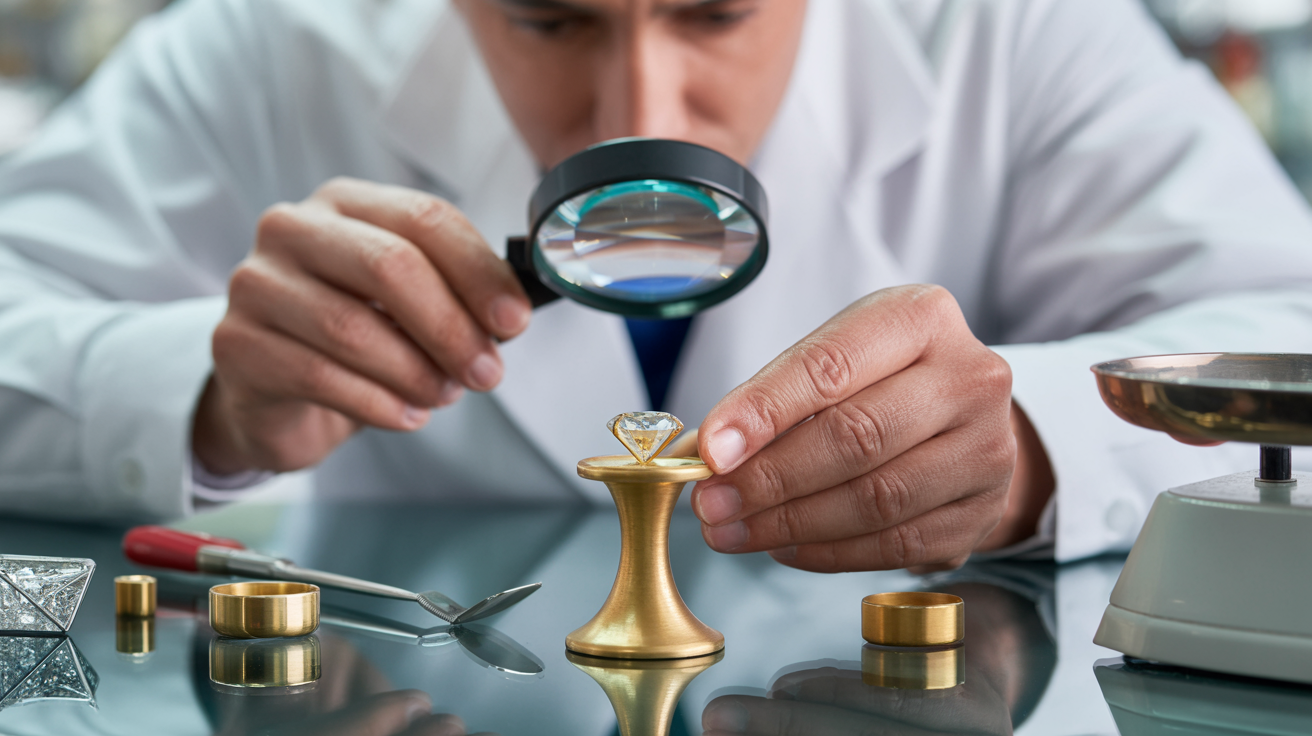
Diamond jewellery resale value is the combined worth of your diamond plus the precious metal setting. This means you’re not just selling a stone, you’re selling two separate commodities that buyers price independently.
The diamond resale market operates on brutal economics. Retailers markup diamonds 200-400% above wholesale prices, creating the gap between what you paid and what buyers will offer. Certified diamonds typically achieve 15-30% of retail price at resale, with the higher percentage reserved for stones with premium characteristics and documentation.
Your metal setting often contributes more to the final payout than you expect. White gold, yellow gold, and platinum settings get priced by weight and purity, following spot metal prices. For smaller diamonds under 0.5 carats, the diamond setting metal value frequently exceeds the stone’s worth. This reversal catches most sellers off guard.
The harsh reality hits hardest with fashion jewellery containing multiple small diamonds. Buyers pay wholesale rates for tiny stones, often £10-50 per carat regardless of original retail presentation. But that 18ct gold setting weighing 8 grams? That’s £200-300 at current gold prices.
Timing affects both components differently. Diamond prices stay relatively stable while gold and platinum fluctuate daily. Smart sellers track both markets, not just diamond benchmarks. The combination determines your total return, and understanding this split helps you target the right buyer type for your specific piece.
How Do the 4Cs Affect Your Diamond’s Sale Price?
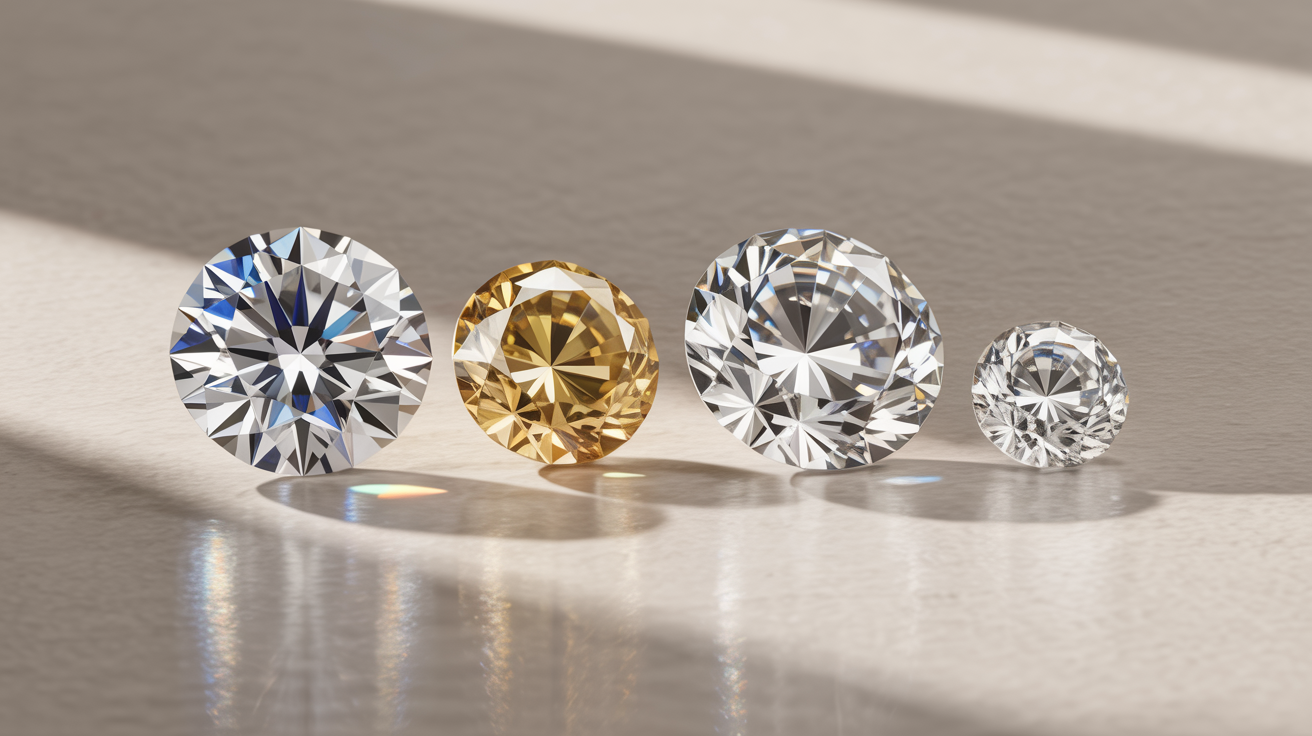
The diamond 4Cs grading system determines exactly which pricing tier buyers place your stone in. Cut, Color, Clarity, and Carat weight each influence value, but not equally.
| 4C Factor | Impact on Resale Price | Buyer Priority |
|,,,,,-|,,,,,,,,,,,|,,,,,,,,|
| Carat Weight | 60-70% of pricing determination | Highest – drives base price |
| Cut Quality | 15-25% premium or discount | Critical for buyer appeal |
| Color Grade | 10-15% price variation | Moderate impact on tiers |
| Clarity Grade | 5-10% price adjustment | Lowest unless severe flaws |
Carat weight drives 60-70% of diamond pricing, with cut quality determining premium or discount from that base. Buyers use carat as their primary filter, then adjust for the other characteristics. A 1.2-carat stone with poor cut scores lower than a 1.0-carat stone with excellent proportions.
Cut affects buyer interest more than most sellers realize. Diamond buyer expertise focuses heavily on light performance, how the stone reflects and refracts light. Buyers discount poorly cut diamonds by 20-30% because they know these stones resist resale to their customers.
Color and clarity matter less than retail marketing suggests. Most buyers price D-F and G-H color grades within 10-15% of each other. Clarity differences between VS2 and SI1 rarely exceed 10% at resale unless you’re dealing with stones over 2 carats.
The grading interaction creates pricing tiers. Buyers use these 4C combinations to slot stones into wholesale categories: premium (top 10%), standard (middle 60%), and discount (bottom 30%). Your stone’s tier determines which buyers will compete for it and what percentage of wholesale they’ll offer.
Does Your Diamond Jewellery Need Professional Certification?
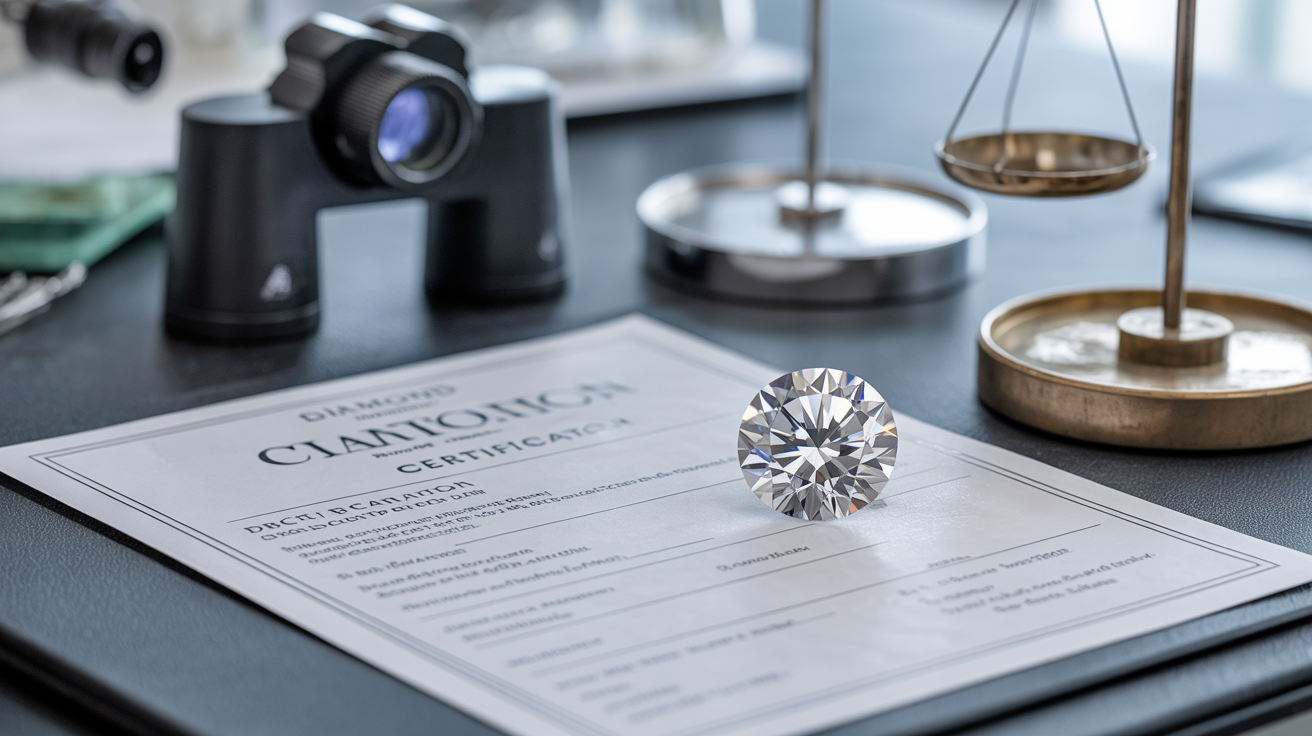
Diamond certification increases buyer confidence and pricing by providing independent verification of the 4Cs. But certification costs £150-400, making it worthless for smaller stones.
Here’s when certification pays off:
Get GIA certification for diamonds over 1 carat. GIA-certified diamonds typically sell for 15-25% more than uncertified stones of equivalent grade. The premium easily covers certification costs on larger stones.
Skip certification for diamonds under 0.5 carats. Certification costs exceed the premium you’ll receive. Buyers will grade these stones themselves using standard industry practices.
Consider IGI for diamonds 0.5-1.0 carats. IGI costs less than GIA but still provides buyer confidence. The decision depends on your stone’s estimated quality and your timeline.
Avoid lesser-known labs completely. Buyers discount certificates from unknown grading services because their standards vary. You’re better off selling uncertified.
GIA carries the highest buyer trust, commanding 10-15% premiums over IGI or other recognized labs. European buyers accept IGI readily, but UK buyers prefer GIA for stones they plan to resell. This preference affects the prices they’ll offer.
The certification decision comes down to math. If your uncertified 1.5-carat stone might grade as G-VS2, and GIA certification costs £300, you need the certified premium to exceed £300. For quality stones over 1 carat, this equation works. For smaller or lower-grade stones, it doesn’t.
Timing matters. Certification takes 2-4 weeks, extending your sale process. If you need quick cash, the certified premium might not justify the delay.
What Condition Issues Kill Your Diamond Jewellery’s Value?
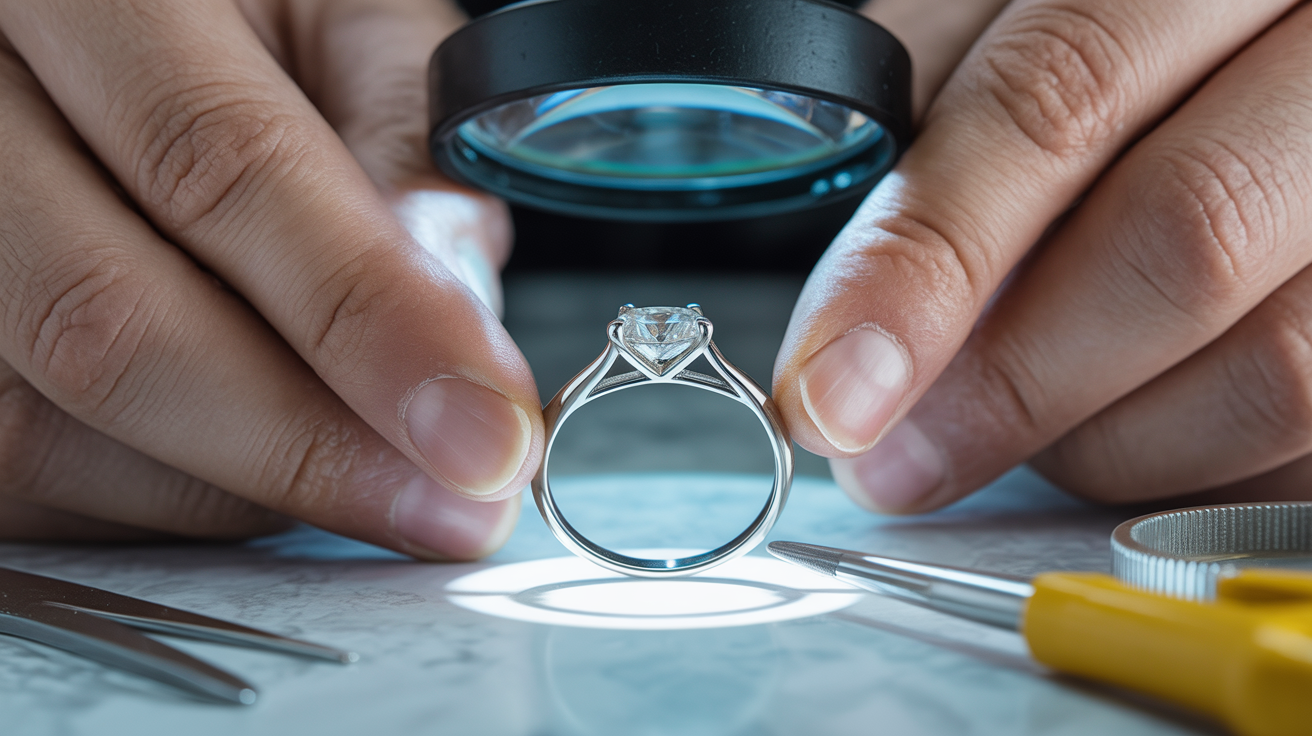
Diamond jewellery condition affects your final sale price dramatically, with setting damage often more costly than stone issues. Here are the value killers:
• Bent or damaged prongs reduce security and buyer confidence. Severely damaged settings can reduce total payout by 30-50% even with perfect diamonds. Buyers worry about losing stones during removal or handling.
• Worn setting metal from daily wear creates weight loss and structural weakness. Thin band areas, worn-down details, and stretched metal subtract directly from metal value calculations since buyers pay by weight.
• Missing accent diamonds in multi-stone pieces destroy the design integrity. Buyers price these pieces as if the missing stones never existed, then discount further for the incomplete appearance.
• Stone chips or scratches affect buyer grading and pricing. While diamonds are hard, they can chip along crystal planes. Even minor damage drops clarity grades and triggers buyer discounts.
• Rhodium plating wear on white gold exposes the yellow metal underneath. This cosmetic issue doesn’t affect metal value but signals age and wear to buyers, influencing their condition assessments.
• Sizing damage from multiple ring adjustments weakens the band and creates visible stress marks. Buyers spot these alterations immediately and factor repair costs into their offers.
The key insight most guides miss: buyers evaluate condition through resale lens, not repair cost. They ask whether they can sell your piece to their customers as-is. If not, they discount for the inconvenience and risk, not just the repair expense.
Some damage helps your negotiating position. Minor scratches on gold settings actually prove the metal’s authenticity, plated pieces don’t wear the same way. Experienced buyers recognize these wear patterns as authenticity markers.
Which Type of Diamond Buyer Should You Choose?
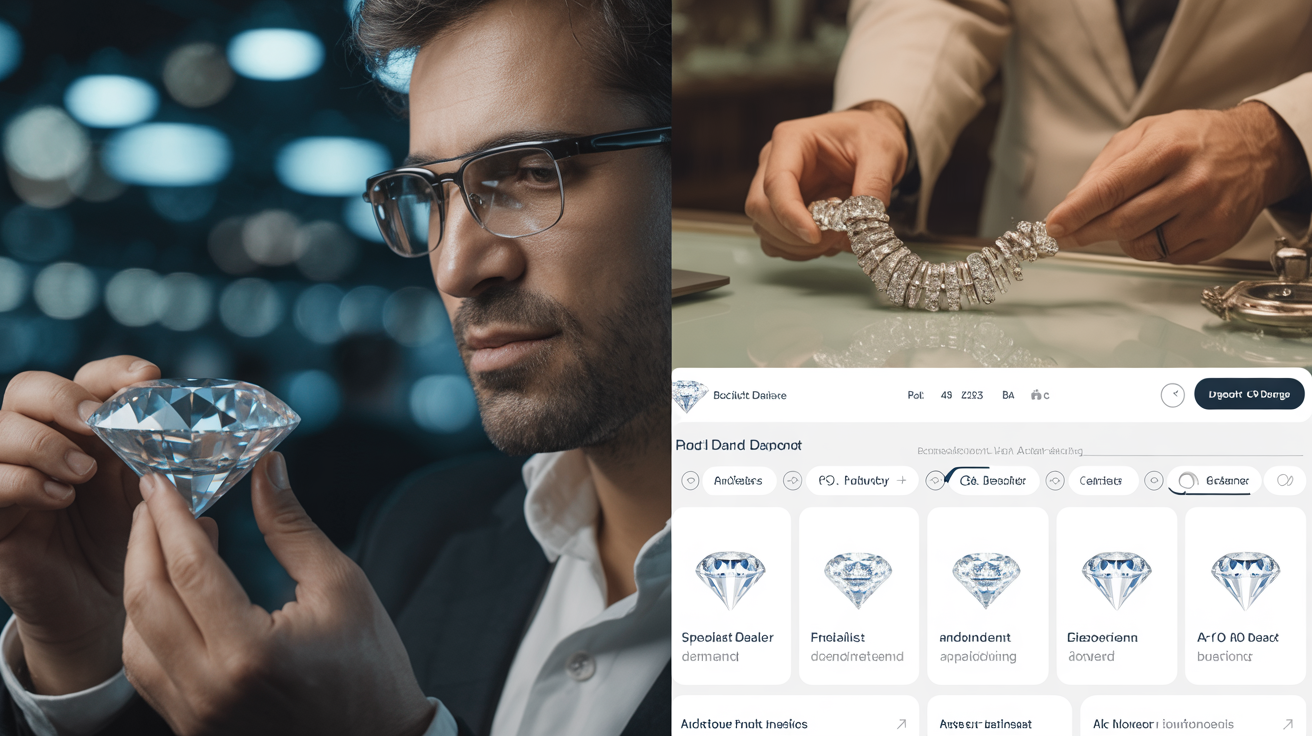
Diamond buyer types offer different pricing structures and expertise levels depending on their business model and customer base.
| Buyer Type | Best For | Typical Payout | Processing Time |
|,,,,,,|,,,,,|,,,,,,,,|,,,,,,,,|
| Specialist Diamond Dealers | Certified stones over 0.5ct | 25-35% of retail | 3-7 days |
| Independent Jewellers | Mixed jewellery collections | 20-30% of retail | 1-3 days |
| Online Diamond Services | Convenience, smaller stones | 15-25% of retail | 5-10 days |
| Pawnshops | Emergency cash needs | 10-20% of retail | Same day |
| Auction Houses | Rare or designer pieces | 30-60% of retail | 30-90 days |
Specialist diamond dealers typically pay 20-30% more than general jewellery buyers for certified stones over 0.5 carats. Their expertise lets them grade accurately and they maintain relationships with wholesale buyers who want quality stones.
The engagement ring market influences buyer selection significantly. Dealers serving this market pay premiums for popular styles and sizes (0.75-1.5 carats, round brilliant cuts) because they know these specifications sell quickly.
Independent jewellers offer speed and convenience but lack specialized diamond knowledge. They’re excellent for mixed collections containing both gold jewellery and diamonds, since they can value both components efficiently. Their diamond pricing tends toward conservative because they price for quick resale to local customers.
Online services provide nationwide access but longer processing times. They’re efficient for straightforward pieces but struggle with complex condition issues or unusual designs that require expert assessment.
Buyer expertise matters most for borderline stones. A 0.8-carat diamond with questionable clarity needs an expert eye to determine its commercial grade. Generalist buyers price these stones cautiously, while specialists can identify value that justifies higher offers.
Should You Sell Your Engagement Ring Whole or Break It Apart?
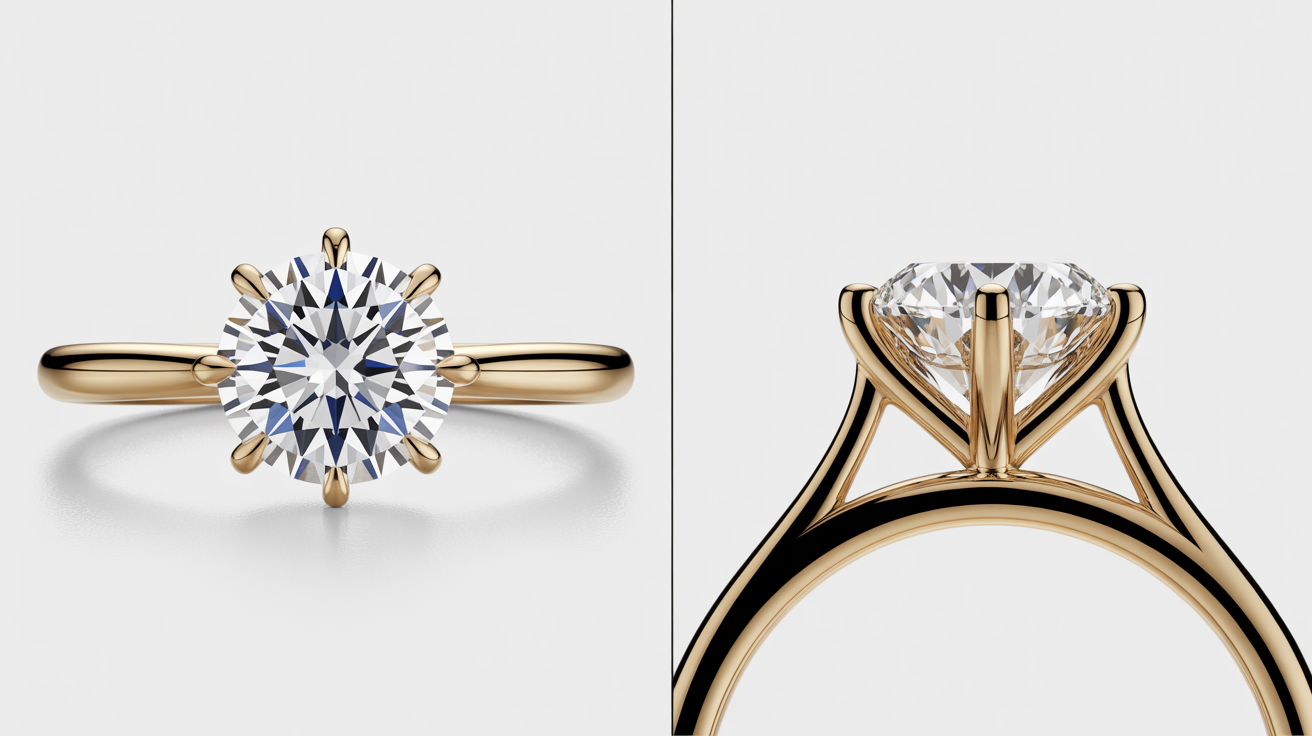
Your engagement ring selling strategy depends on diamond size and setting metal value, with each approach suited to different scenarios.
| Ring Characteristics | Best Strategy | Reason |
|,,,,,,,,,,-|,,,,,,,-|,,,,|
| Diamond over 1ct, valuable setting | Sell whole | Rings with diamonds over 1 carat typically achieve 15-20% higher total value when sold as complete pieces |
| Diamond under 0.5ct, heavy gold setting | Break apart | Metal value exceeds stone value, separation maximizes return |
| Damaged or worn setting | Break apart | Avoid condition discounts on total piece |
| Rare or designer setting | Sell whole | Brand value and design integrity worth preserving |
| Multiple small diamonds | Break apart | Individual stones get wholesale pricing anyway |
The engagement ring market rewards complete pieces when the center stone dominates the value equation. Buyers serving this market want finished rings they can resell quickly to their customers. They’ll pay premiums for popular combinations of size, setting style, and metal type.
Breaking apart makes financial sense when the metal setting represents 40%+ of the total value. This happens frequently with smaller center stones (under 0.5 carats) in substantial gold or platinum mountings. The mathematics are straightforward: if separation increases your metal recovery while the stone sells for similar money either way, break it apart.
Condition issues tip the balance toward separation. Damaged settings trigger whole-ring discounts that often exceed the individual component values. Buyers worry about repair costs, liability during customer resale, and general marketability of damaged pieces.
Timing considerations affect this decision. Whole rings require buyers with engagement ring expertise and customer base. This specialization limits your buyer pool but increases potential offers. Component sales (loose stone plus scrap metal) access wider buyer networks with faster processing.
The thing most guides miss: some settings have negative value when attached to small diamonds. Complex designer mountings with tiny accent diamonds cost more to separate than the center stone is worth. These pieces often return more money sold for scrap metal value than as completed jewellery.
Frequently Asked Questions
How much cash can I get for my diamond jewellery?
Most diamond jewellery sells for 15-30% of its original retail price, with certified stones achieving the higher end of this range. The metal setting often contributes 40-60% of your total payout, especially with smaller diamonds. Your final amount depends on diamond size, certification status, metal type and weight, and current market conditions.
Where is the best place to sell diamond jewellery in the UK?
Specialist diamond dealers typically pay 20-30% more than general buyers for quality certified stones over 0.5 carats. For smaller or uncertified diamonds, reputable independent jewellers or established online services may offer better convenience versus specialist premiums. The best choice depends on your specific pieces and timeline requirements.
Do I need paperwork to sell my diamond jewellery?
You need photo ID and proof of address under UK anti-money laundering rules for transactions over £500. Original certificates or appraisals help maximize offers but aren’t required, buyers will grade uncertified stones themselves using industry standards, though typically at lower values than certified equivalents. Keep any original receipts as they help establish provenance and purchase price for tax purposes.