

Capital gains tax gold UK rules catch most sellers unprepared. Many trigger tax liabilities unknowingly when selling inherited jewellery or investment coins above the £6,000 threshold.
Key Takeaways:
- Gold sales under £6,000 per item are exempt from CGT under the chattel rule
- The annual CGT exemption for 2024-25 is £3,000 (down from £6,000 in 2023-24)
- Higher-rate taxpayers pay 28% CGT on gold gains while basic-rate taxpayers pay 18%
What Is Capital Gains Tax on Gold in the UK?

Capital gains tax on gold is a tax on the profit you make when selling gold for more than you paid for it. This means HMRC treats gold as a chargeable asset subject to CGT rules when disposal proceeds exceed your acquisition cost.
The HMRC chattel rule provides the main exemption that protects most gold sellers. Chattels are tangible moveable property worth £6,000 or less. If you sell a piece of gold jewellery, a gold coin, or gold bar for £6,000 or under, you pay zero CGT regardless of your gain.
Capital gains tax gold obligations only arise when three conditions align: your disposal proceeds exceed £6,000 per item, you make an actual gain above what you paid, and your total gains for the tax year exceed your annual exemption. This framework differs from income tax because you’re taxed on capital appreciation, not the full sale value.
Most people selling gold jewellery never reach the £6,000 threshold per item. Even valuable pieces often fall short when sold for scrap value rather than retail replacement cost. The chattel rule acts as a blanket protection for typical household gold sales.
Does the £6,000 Chattel Rule Apply to Your Gold?

Determining chattel rule eligibility requires checking what counts as one “item” under HMRC guidance. Follow these steps:
Identify each separate item. A single ring, bracelet, or pendant counts as one item regardless of weight or carat.
Check matching sets carefully. Matching earrings count as one item but a necklace and bracelet sold together count as separate items.
Apply the £6,000 test per item. Each piece must stay under £6,000 individually to qualify for the exemption.
Consider timing of sales. Selling items separately across different tax years doesn’t help – each item gets tested individually whenever sold.
The £6,000 threshold creates planning opportunities for families with valuable inherited collections. Instead of selling a complete jewellery set together, breaking it into individual pieces can keep each sale under the chattel threshold.
Hallmarked gold jewellery typically qualifies for chattel treatment unless you’re dealing with rare designer pieces or antique items with collector premiums. Most scrap gold sales fall comfortably within the exemption because buyers pay based on gold content, not retail value.
How Do You Calculate Capital Gains Tax on Gold Sales?

CGT calculation follows a specific formula when your gold sale exceeds the chattel exemption. Work through these steps:
Start with disposal proceeds. This is the amount you receive from the buyer, not the item’s insurance or retail value.
Subtract your acquisition cost. For purchased gold, use what you originally paid including VAT and dealer premiums.
Deduct allowable expenses. Valuation fees and selling costs including postage are allowable deductions that reduce your taxable gain.
Apply the annual exemption. Subtract your unused annual CGT exemption (£3,000 for 2024-25) from your total gains.
Calculate tax due. Apply 18% for basic-rate taxpayers or 28% for higher-rate taxpayers to the remaining gain.
For inherited gold, your acquisition cost equals the probate valuation at inheritance, not what the deceased originally paid. If no formal probate valuation exists, HMRC accepts professional valuations dated from the inheritance.
Example: You inherit a gold bracelet valued at £4,000 in probate and sell it for £8,500. Your gain is £4,500 minus selling expenses. After applying your annual exemption, any remaining gain faces CGT at your applicable rate.
What Are the Current CGT Rates and Annual Exemption?
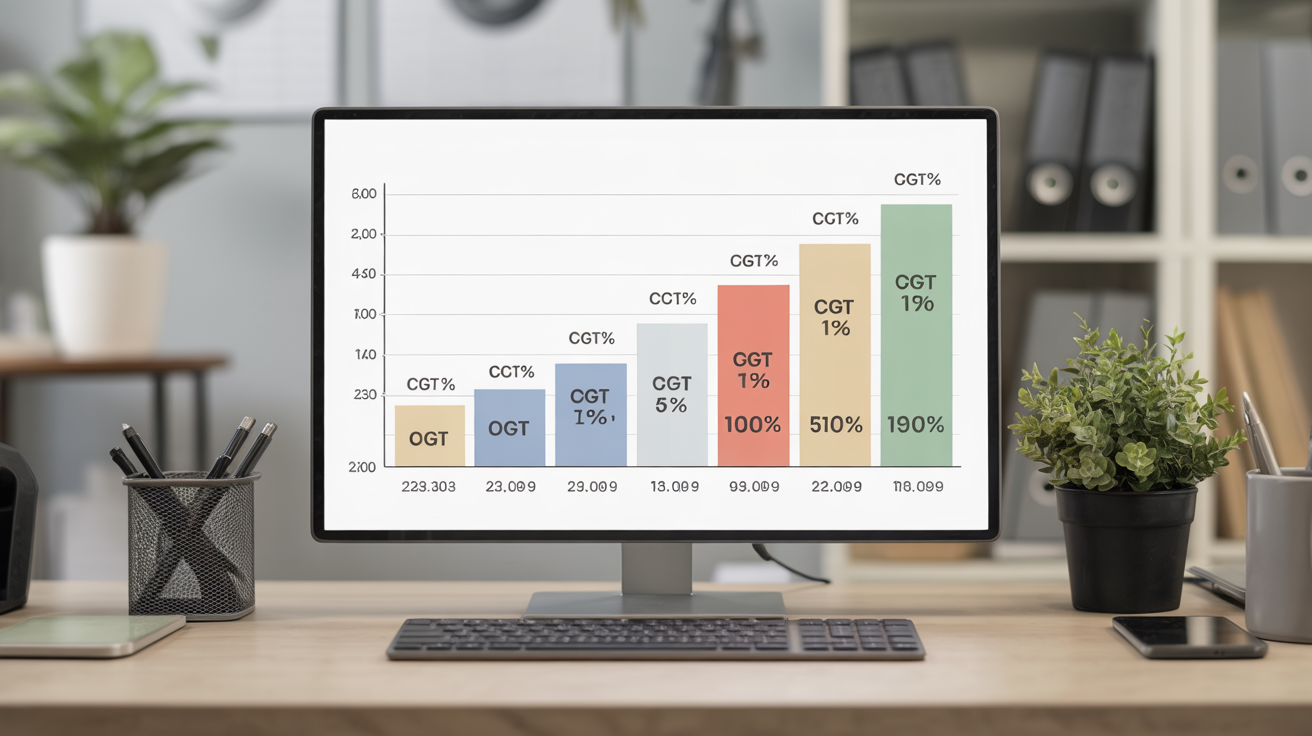
CGT rates and exemptions have changed significantly in recent years, affecting gold sellers across all tax brackets.
| Tax Feature | 2024-25 Amount | Previous Amount |
|,,,,,,-|,,,,,,,,|,,,,,,,,,|
| Annual CGT Exemption | £3,000 | £6,000 (2023-24) |
| Basic Rate CGT | 18% | 18% (unchanged) |
| Higher Rate CGT | 28% | 28% (unchanged) |
| Additional Rate CGT | 28% | 28% (unchanged) |
The annual CGT exemption dropped from £12,300 in 2022-23 to £3,000 in 2024-25, a 75% reduction over two years. This change means more gold sellers face tax obligations on gains that previously fell within the exempt amount.
Your CGT rate depends on your total taxable income including employment, self-employment, and other sources. If your income plus capital gains exceed the higher-rate threshold (£50,270 for 2024-25), you pay 28% on gold gains. Otherwise, you pay 18%.
The rate structure treats gold as a non-business asset, attracting higher CGT rates than shares or property in some cases. This makes the chattel exemption particularly valuable for gold sellers.
Which Gold Items Are Completely Tax-Free to Sell?

Certain gold items enjoy complete CGT exemption regardless of sale value or gain amount:
• UK gold sovereigns – All sovereigns minted after 1837 are legal tender and CGT-exempt whether you sell for £200 or £2,000
• UK gold britannias – One-ounce britannia coins qualify as legal tender with full CGT exemption
• Other UK legal tender coins – Any gold coin that remains legal tender in the UK escapes CGT entirely
• Foreign legal tender coins – Coins that remain legal tender in their country of origin also qualify for exemption
Gold bars, gold jewellery, and foreign coins that are no longer legal tender follow standard chattel rules with the £6,000 threshold. This creates a significant advantage for investors choosing sovereigns or britannias over gold bars when building precious metals portfolios.
The legal tender exemption applies whether you bought the coins as an investment or inherited them. A gold sovereign worth £400 when inherited but sold for £450 generates zero CGT liability. The same applies to britannias regardless of current gold spot price fluctuations.
UK hallmarking standards don’t affect the legal tender exemption. Even if a sovereign shows wear or damage affecting its appearance, it retains CGT-exempt status as long as it’s genuine.
When Do You Need to Report Gold Sales to HMRC?

Self-assessment reporting becomes mandatory when your taxable capital gains exceed your annual exemption, regardless of whether you actually owe tax. This threshold requirement means you must file even if other allowances reduce your final tax bill to zero.
You must report gold sales by 31 January following the tax year even if no tax is due. For gold sold between April 2024 and March 2025, the deadline is 31 January 2026. Missing this deadline triggers automatic penalties starting at £100.
Keep detailed records of every gold transaction including purchase receipts, inheritance valuations, sale confirmations, and expense receipts. HMRC can request evidence up to six years after the tax year, or twenty years if they suspect deliberate understatement.
The annual CGT exemption means many gold sellers avoid reporting requirements entirely. With only £3,000 of exempt gains available, you need relatively modest profits to stay below the threshold. But remember that all capital gains count toward this limit, not just gold sales.
Frequently Asked Questions
Do I pay CGT on scrap gold jewellery?
You pay CGT on scrap gold only if you sell it for more than £6,000 and make a gain above your acquisition cost. Most inherited jewellery sold for scrap falls under the chattel exemption threshold.
Does CGT apply differently to gold jewellery vs gold coins?
Gold jewellery follows standard chattel rules with the £6,000 exemption threshold. UK legal tender gold coins (sovereigns and britannias) are completely CGT-exempt regardless of value, while foreign gold coins follow jewellery rules.
What happens if I inherited gold and don’t know what I paid for it?
For inherited gold, your acquisition cost is the probate value at the time of inheritance, not what the deceased originally paid. If no probate valuation exists, HMRC accepts professional valuations from the date of inheritance.