

ID to sell gold UK became a legal requirement when the Scrap Metal Dealers Act 2013 made selling gold without proper documentation illegal. Yet most sellers discover this requirement only when they’re asked for papers at the dealer’s counter. Knowing what you need prevents wasted trips and helps you avoid gold selling scams UK when you’re ready to sell my gold.
Key Takeaways:
- All UK gold buyers must verify seller identity using photo ID and proof of address under the Scrap Metal Dealers Act 2013
- Cashless payment is mandatory for all gold transactions, cash payments are illegal under current UK law
- Unlicensed gold dealers face unlimited fines, making verification of their Trading Standards registration essential
What Does the Scrap Metal Dealers Act 2013 Require for Gold Sales?

The Scrap Metal Dealers Act 2013 is the primary UK legislation governing gold sales. This means every gold transaction requires verified seller identification and cashless payment processing.
The Act became law on 1st October 2013 following a surge in metal theft across Britain. Parliament designed it to create an audit trail for all scrap metal transactions, including gold jewellery sales. The legislation covers anyone buying scrap metal commercially, from high-street pawnbrokers to postal gold services.
Gold buyers must verify your identity before purchase. They cannot legally complete your transaction without photo ID and proof of address. The buyer must record your details, weigh your gold in front of you, and pay through traceable electronic methods only.
Violating the Act carries unlimited fines for dealers. Trading Standards officers conduct regular compliance checks and can revoke licenses immediately. This enforcement mechanism protects sellers by ensuring only legitimate, licensed dealers operate in the gold buying market.
What Photo ID Do UK Gold Buyers Actually Accept?
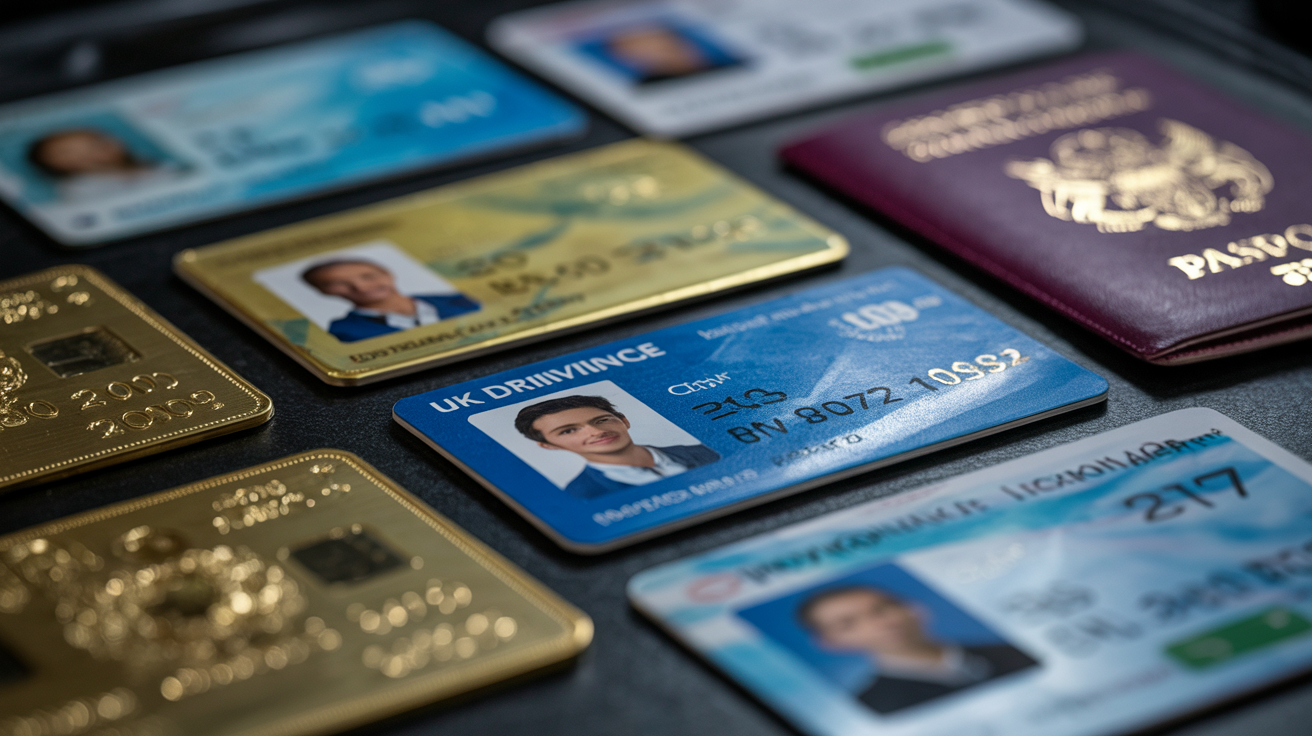
UK gold buyers accept specific photo identification documents under anti-money laundering ID requirements:
Current UK driving licence, full or provisional versions both acceptable, but must show your photo and current address or require separate proof of address
Valid UK or EU passport, expired passports rejected by most dealers, though some accept recently expired documents with additional verification
National identity cards, EU citizens can use valid national ID cards, though Brexit has made some dealers more cautious about non-UK documents
Biometric residence permits, non-EU residents with valid BRP cards accepted by most licensed dealers
Expired documents create complications. Most gold buyers refuse expired ID even if recently lapsed. Digital photos of your documents won’t work for in-person sales, dealers need to handle the physical document to verify security features.
Non-UK residents face additional scrutiny. Some dealers request multiple forms of ID or proof of legal residence status. This varies by dealer policy, not legal requirement, so shop around if you encounter resistance.
What Counts as Valid Proof of Address for Gold Sales?

| Document Type | Age Requirement | Notes |
|,-|,-|,-|
| Utility bills | Within 3 months | Gas, electricity, water accepted |
| Council tax statement | Current tax year | Most recent bill acceptable |
| Bank statement | Within 3 months | Paper or printed online versions |
| Mortgage statement | Within 3 months | Building society statements included |
| Tenancy agreement | Current and signed | Must show your name as tenant |
| Phone bill | Within 3 months | Mobile contracts accepted |
Documents must be dated within 3 months for most buyers. This timeline reflects anti-money laundering ID requirements designed to confirm your current address, not historical residence.
Joint accounts and shared bills require careful handling. If the utility bill shows multiple names including yours, most dealers accept it. But using someone else’s bill with only their name violates verification requirements and gets rejected.
Digital documents work differently than physical ones. Many dealers accept printed online bank statements or downloaded utility bills. However, some insist on original posted documents, particularly for higher-value transactions.
Mobile phone bills count as utility bills for address verification. Rental statements from letting agents also qualify, though some dealers prefer council tax or utility bills over rental documentation.
Why Are Cash Payments Illegal When Selling Gold?

Cashless payment mandate prevents money laundering through gold transactions. The Scrap Metal Dealers Act made cash payments illegal to create traceable financial records for every gold sale.
Cash payments for scrap metal including gold have been illegal since October 2013. This applies to all gold sales, from single rings to bulk scrap collections. No legitimate UK dealer can pay cash for your gold without breaking the law.
Payments must go through traceable electronic methods. Bank transfers, cheques, and card payments create the required audit trail. Most dealers prefer bank transfers because they settle faster than cheques and provide immediate confirmation.
The reasoning targets criminal activity. Cash transactions were used to fence stolen gold and launder money through legitimate dealers. Mandatory electronic payments help police track suspicious activity patterns and recover stolen items.
Dealer violations carry serious penalties. Trading Standards can impose unlimited fines and revoke licenses for cash payments. This makes legitimate dealers extremely cautious about payment methods, they won’t risk their business license for convenience.
How Do You Verify a Gold Buyer Is Legally Licensed?
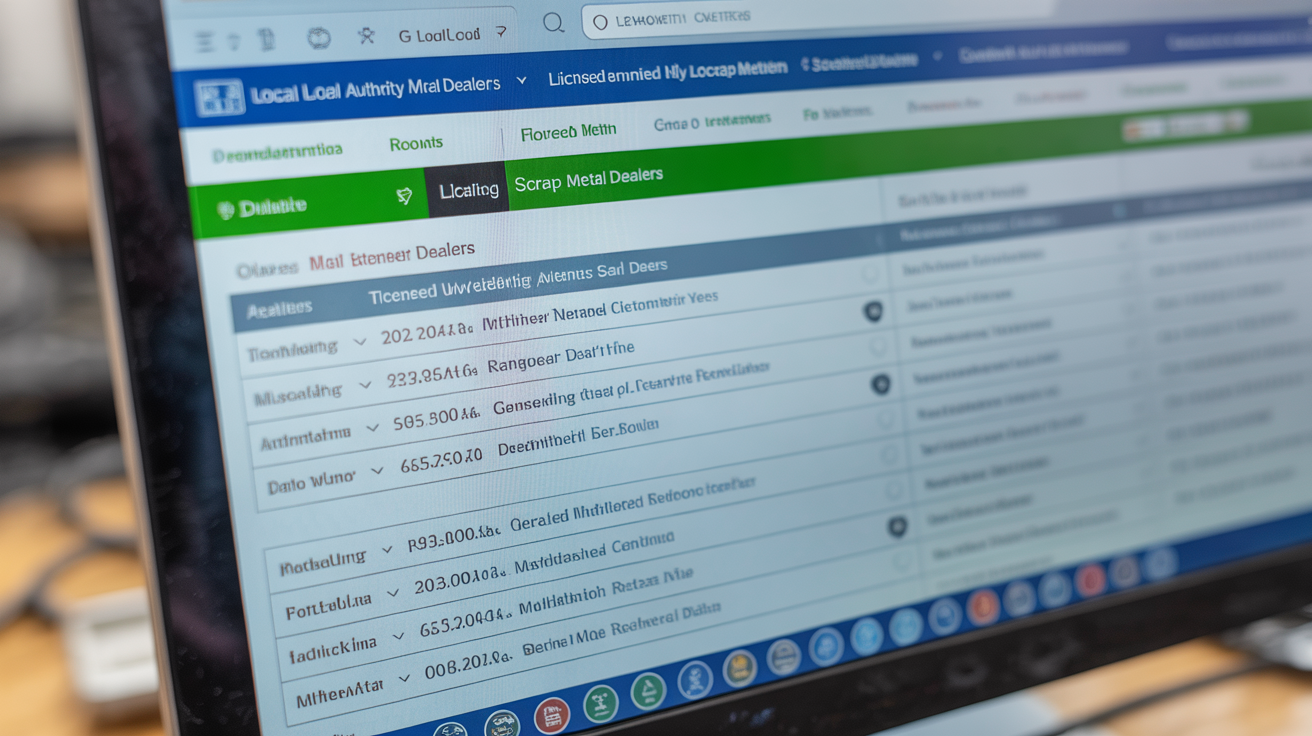
Trading Standards licenses legitimate scrap metal dealers through a verification process you can check yourself:
Visit your local authority website, each council maintains a public register of licensed scrap metal dealers in their area with current license status
Search the dealer’s business name and address, licenses show the exact trading address, so verify this matches where you’re planning to sell
Check the license expiry date, scrap metal licenses require annual renewal, and expired licenses mean the dealer cannot legally operate
Look for the license certificate, legitimate dealers display their scrap metal dealer license prominently in their premises
Verify their business registration, cross-reference with Companies House to confirm they’re a properly registered UK business entity
Each local authority maintains a public register of licensed scrap metal dealers. This database updates regularly as licenses get renewed, suspended, or revoked. Unlicensed dealers face prosecution and unlimited fines.
Red flags include reluctance to show license documentation, operating from residential addresses, or pressuring you to complete transactions quickly. Licensed dealers understand the verification process and cooperate with reasonable due diligence checks.
Can You Sell Gold Without ID in the UK?

UK gold selling requires mandatory identification verification under the Scrap Metal Dealers Act 2013. No legitimate dealer can legally purchase gold without verifying your identity first.
Attempting to sell without ID wastes your time and theirs. Licensed dealers will refuse your transaction immediately, they cannot process your sale without risking their license. Unlicensed dealers who might accept your gold without ID operate illegally and may not pay fair rates.
No exceptions exist within the commercial gold buying market. Whether you’re selling to high-street shops, postal services, or mobile dealers, the identification requirement applies universally. The Act doesn’t distinguish between transaction values or gold types.
Private sales between individuals fall outside the Act’s scope. You can sell directly to other people without ID requirements, though this route offers no consumer protection and requires you to find buyers yourself. Most sellers prefer licensed dealers despite the ID requirement because of guaranteed payment and fair valuations.
When you need to read gold hallmarks to verify your items’ authenticity, having proper ID ready speeds up the entire selling process with legitimate dealers.
Frequently Asked Questions
What happens if I don’t have proof of address when selling gold?
UK gold buyers cannot legally complete your transaction without valid proof of address under the Scrap Metal Dealers Act 2013. You’ll need to obtain acceptable documentation before any legitimate dealer can purchase your gold.
Do online postal gold services need the same ID as high street buyers?
Yes, postal gold services must verify your identity using the same photo ID and proof of address requirements. They typically request photocopies or digital uploads of your documents before processing any gold purchase.
Can I use a utility bill in someone else’s name as proof of address?
No, proof of address documents must match your photo ID exactly. Joint bills showing both names are acceptable, but using someone else’s bill alone violates anti-money laundering requirements and will be rejected.