

Gold selling scams UK cost victims an estimated £15 million annually. Door-to-door fraudsters and postal service schemes target sellers who don’t know their gold’s true worth, leaving thousands out of pocket with nothing to show for family heirlooms.
Key Takeaways:
• Door-to-door gold buyers must hold valid Scrap Metal Dealers Act licences, verify these with your local council before any transaction
• Legitimate postal gold services provide full insurance cover and 21-day cooling off periods under Distance Selling Regulations
• Trading Standards reports that 73% of gold selling complaints involve buyers who refuse to return items after low-ball valuations
What Are the Most Common Gold Selling Scams in the UK?
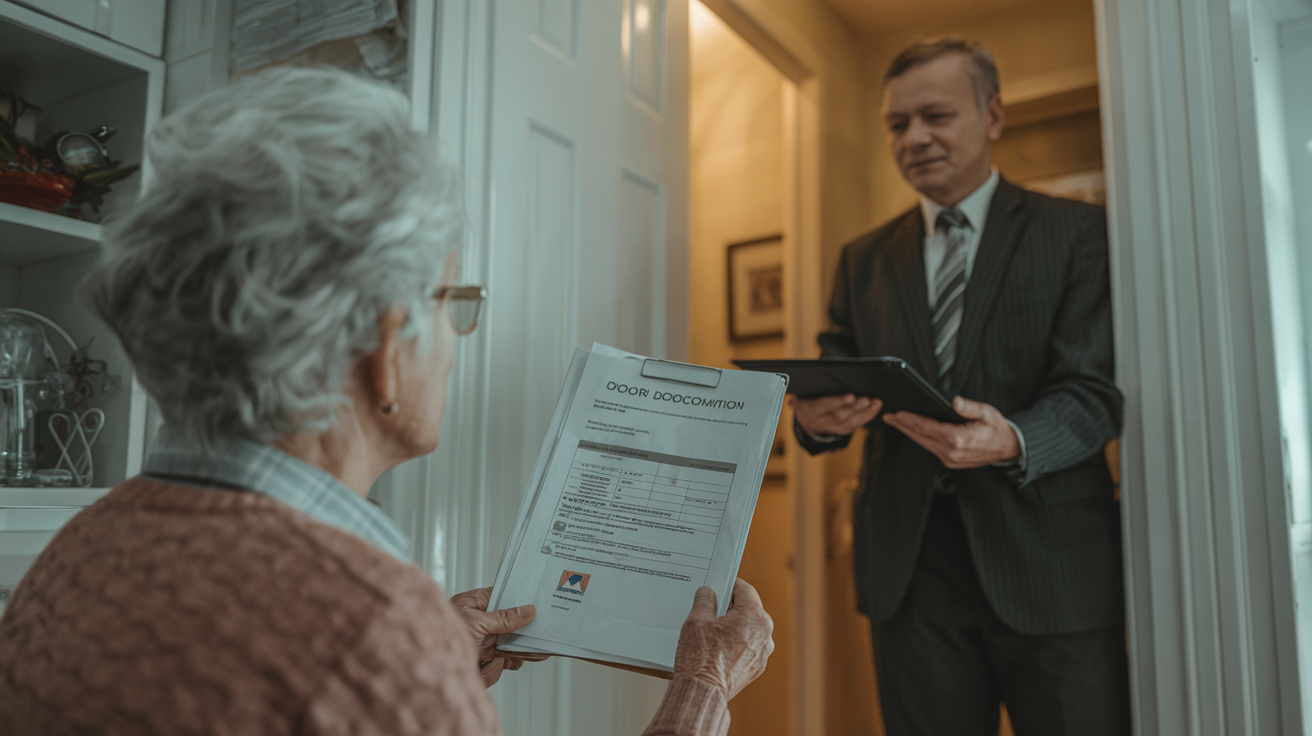
Door-to-door buyers exploit vulnerable sellers through high-pressure tactics and fake credentials. These scammers target over-65s in 82% of reported cases, arriving unannounced with official-looking documentation and urgent reasons why you must sell immediately.
The most frequent gold selling red flags include:
- Door-to-door pressure tactics, Unlicensed operators who claim your gold is worthless then offer a fraction of its value, insisting you decide within minutes
- Postal bait-and-switch schemes, Companies that quote high percentages online but drastically reduce valuations once they have your gold
- Fake gold party scams, Home party hosts who work with unregistered buyers to pressure guests into selling at below-market rates
- Online auction fraud, Fake gold buying websites that collect items then disappear, or auction sites with non-existent winning bidders
- Unlicensed high street dealers, Shop-front operations without proper Scrap Metal Dealers Act registration who vanish after taking gold
These schemes work because sellers rarely know how to verify a buyer’s credentials or understand what percentage of spot price represents a fair offer. The combination of complex hallmarking systems and fluctuating gold prices creates the perfect environment for fraud.
How Do You Verify a Gold Buyer’s Legal Credentials?

Scrap Metal Dealers Act requires valid licensing for anyone purchasing scrap gold commercially. Only licensed dealers can legally purchase scrap gold under the 2013 Act, making licence verification your first line of defence against fraud.
Follow these steps to check gold buyer legitimate credentials:
- Request their Scrap Metal Dealers Act licence number, Every legitimate buyer must display this prominently and provide it on request
- Contact your local council’s licensing department, They maintain public registers of all licensed dealers in their area and can verify status immediately
- Check Companies House registration, Verify the business exists as a limited company with real directors and a genuine trading address
- Search Trading Standards records, Look up the company name on your local authority’s website for any enforcement actions or warnings
- Verify their business premises, Licensed dealers must operate from registered addresses, not just PO boxes or residential properties
Legitimate buyers welcome credential checks because licensing protects both parties. Any hesitation or refusal to provide documentation means you walk away immediately.
What Legal Protections Do Gold Sellers Have?
Distance Selling Regulations provide cooling off periods for postal transactions. Consumer protection laws create multiple safety nets, though enforcement varies depending on whether the buyer holds proper licensing.
| Protection Type | Coverage | Enforcement Body | Key Benefit |
|,-|,-|,-|,-|
| Distance Selling Regulations | All postal gold sales | Trading Standards | 21-day cooling off period |
| Consumer Rights Act | Licensed dealer transactions | Trading Standards | Right to reject unsatisfactory service |
| Scrap Metal Dealers Act | All scrap gold purchases | Local councils | Mandatory licensing and record keeping |
| Anti-Money Laundering Rules | Transactions over £10,000 | HMRC | Enhanced ID verification requirements |
The 21-day cooling off period applies to all postal gold transactions under DSR 2000, giving you legal right to cancel and demand return of your items. This protection only works with registered businesses operating from legitimate addresses.
Consumer Rights Act provisions require licensed dealers to provide clear terms, fair valuations, and proper complaint procedures. Unlicensed operators fall outside these protections, which is why licence verification matters so much.
Anti-money laundering ID rules create additional paperwork but also establish audit trails that help recover items from fraudulent buyers. When someone asks for extensive documentation, they’re following legal requirements, not creating barriers.
What Red Flags Should You Watch for with Postal Gold Services?

Legitimate services provide full insurance coverage and transparent terms. Postal scams rely on unclear policies and pressure tactics to prevent sellers from exercising their legal rights.
Watch for these warning signs:
- No insurance provision mentioned, Royal Mail Special Delivery insurance covers up to £2,500 for gold items, but only if the sender arranges it
- Pressure to accept first valuations, Legitimate services expect negotiation and provide detailed breakdown of how they calculated your offer
- Refusal to return items after rejection, Legal requirement under Distance Selling Regulations to return goods within 21 days of cancellation
- No cooling off period mentioned in terms, Any postal gold service must provide 21-day cancellation rights by law
- Unrealistic percentage promises, Claims of paying 95%+ of spot price usually indicate bait-and-switch tactics
- Requests for immediate postal tracking information, Scammers use this to intercept packages before you can cancel
Reputable postal services provide prepaid Royal Mail Special Delivery envelopes with full insurance included. They also send detailed terms and conditions before you ship anything, not buried in small print after they receive your gold.
How Do You Report Gold Selling Fraud and Get Help?

Trading Standards investigate gold buyer complaints involving licensed dealers. Multiple reporting channels exist depending on whether the fraud involves licensed operators, unlicensed dealers, or online scams.
Take these steps to report fraud:
- Contact Trading Standards immediately, Report licensed dealers who breach regulations to your local authority’s trading standards team
- File Action Fraud report online, Complete the detailed form at actionfraud.police.uk for all gold-related scams and fraud attempts
- Notify your local council licensing department, Report unlicensed operators to the team that oversees Scrap Metal Dealers Act compliance
- Preserve all documentation, Keep valuations, correspondence, receipts, and photographs as evidence for investigations
- Contact Citizens Advice, Get free guidance on your legal options and help with complaint procedures
Action Fraud processed 1,247 gold-related scam reports in 2023, leading to several prosecutions and business closures. The more detailed your report, the better chance authorities have of taking action and recovering losses.
Local councils have powers to revoke Scrap Metal Dealers Act licences from operators who breach regulations. Trading Standards can also issue prohibition orders preventing fraudulent businesses from operating.
Frequently Asked Questions
How can I tell if a gold buyer is trying to scam me?
Scam buyers refuse to show their Scrap Metal Dealers Act licence, pressure you to sell immediately, or offer unrealistic percentages of spot price. Legitimate buyers provide clear documentation, explain their testing process, and give you time to consider their offer.
Is selling gold by post actually safe in the UK?
Postal gold selling is safe when using regulated services that provide full insurance, 21-day cooling off periods, and clear terms. Always verify the company’s Scrap Metal Dealers Act registration and use Royal Mail Special Delivery for maximum protection.
What happens if a gold buyer steals my items?
Report theft immediately to police and Action Fraud if the buyer operates without proper licensing. Trading Standards can investigate licensed dealers who breach regulations, and your insurance may cover postal losses if you used appropriate shipping methods.