

What to expect when selling gold starts with understanding why buyers never pay full spot price. Every seller faces the same shock when they see today’s gold price online then receive quotes significantly lower.
Key Takeaways:
• UK scrap gold sellers typically receive 70-85% of spot price after purity and refining costs
• Gold coins command 95-98% of spot price due to verified purity and minimal processing
• Offers below 60% of spot price signal either extremely damaged items or predatory buyers
What Is Spot Price and Why Don’t You Get All of It?

Gold spot price is the current market price for immediate delivery of pure gold. The LBMA gold fix determines UK gold spot price through twice-daily price-setting sessions at 10:30 AM and 3:00 PM London time. This means the “live” gold price you see represents what refineries pay each other for 99.9% pure gold bars in wholesale quantities.
You never get 100% of spot price because buyers face real costs. They must test your items, refine mixed alloys back to pure gold, cover insurance and shipping, then sell the refined metal at wholesale rates. Every buyer needs profit margins to stay in business.
Troy ounce conversion adds another layer of complexity. Gold prices quote per troy ounce (31.1035 grams), not standard ounces (28.35 grams). When you weigh gold jewellery on kitchen scales showing grams, the troy ounce conversion often surprises sellers who expect higher payouts.
Legitimate buyers typically work on 15-30% gross margins before expenses. This explains why gold selling prices in the UK run 70-85% of spot for most scrap items. The percentage you receive depends on your item’s purity, condition, and processing requirements.
What Percentage Should You Actually Expect by Item Type?
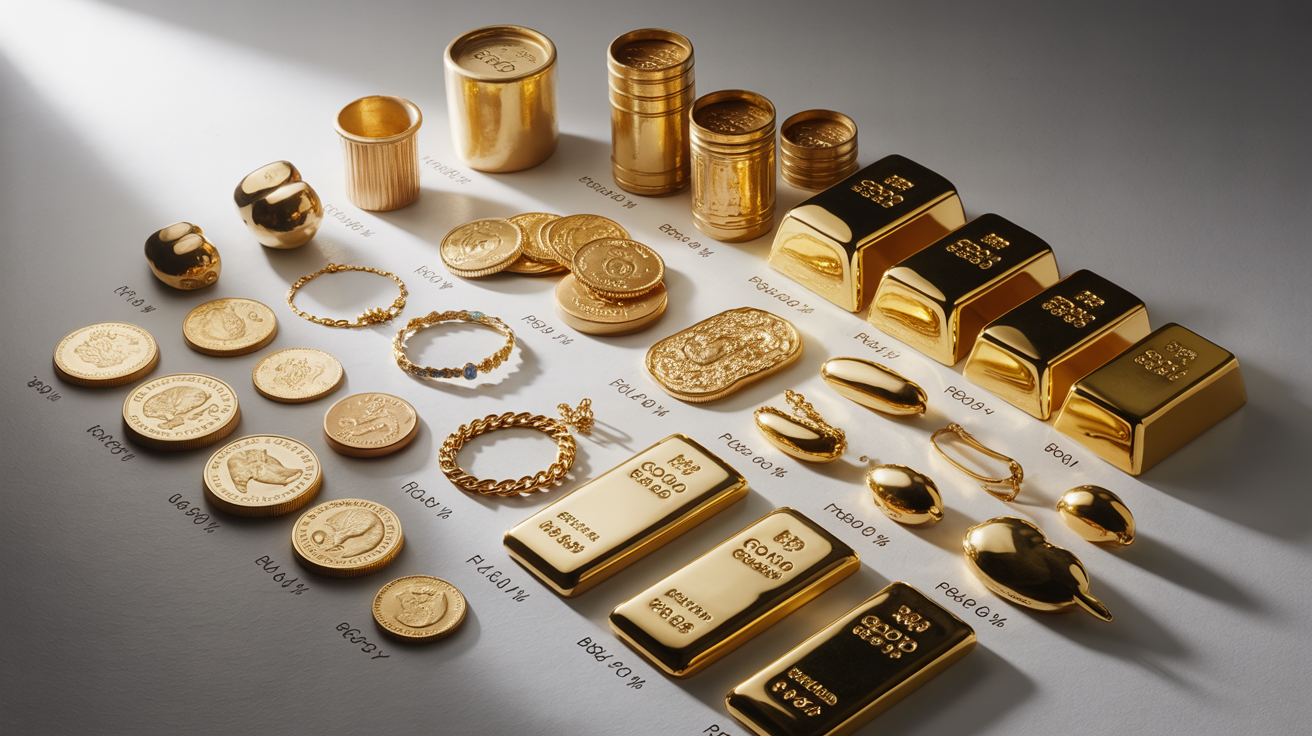
Item type determines your payout percentage range more than any other factor. Different gold products require different processing levels, which directly impacts what buyers offer.
| Item Type | Payout Percentage | Typical Gold Purity | Processing Required |
|---|---|---|---|
| Gold Sovereigns | 95-98% | 22ct (91.7%) | Minimal – verified purity |
| Gold Britannia Coins | 95-98% | 24ct (99.9%) | None – already pure |
| 18ct Gold Jewellery | 80-85% | 18ct (75%) | Moderate refining |
| 9ct Gold Jewellery | 70-75% | 9ct (37.5%) | Heavy refining needed |
| Dental Gold | 65-75% | Variable | Complex separation |
| Damaged/Broken Items | 60-70% | Variable | Extensive processing |
Gold coins achieve the highest percentages because the Royal Mint guarantees their purity. Buyers know exactly what they’re getting without expensive testing or refining. A 22ct gold sovereign contains a known amount of pure gold, so calculations stay straightforward.
Scrap jewellery requires more work. Even hallmarked pieces need testing to verify purity, and mixed alloys require chemical separation. When you sell my gold items with stones, buyers must remove gems before processing, which adds time and cost.
9ct gold presents the biggest challenge. With only 37.5% pure gold content, buyers process more base metals than actual gold. The refining costs stay roughly the same whether processing 9ct or 18ct items, but 9ct yields less pure gold per gram.
How Do Refining Costs Eat Into Your Payout?
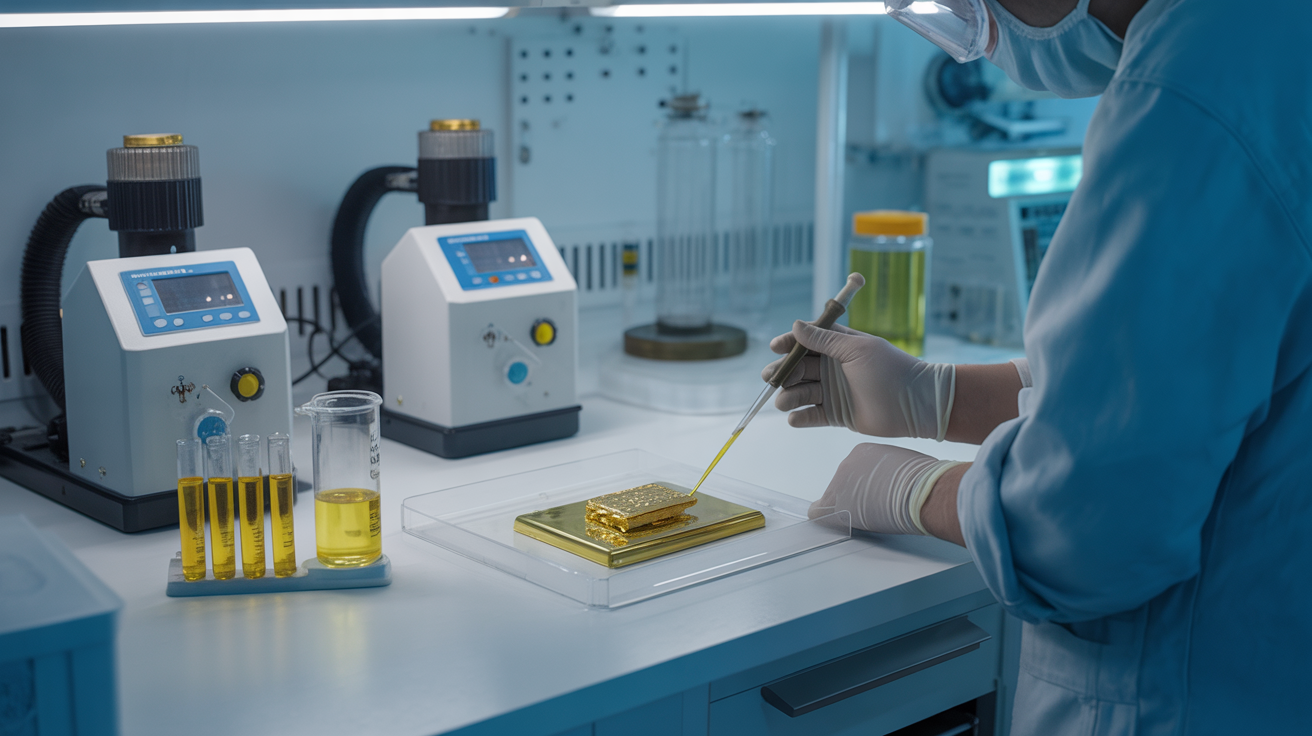
The refining process requires specific steps that create unavoidable cost deductions from your payout. Understanding these steps explains why legitimate buyers cannot offer spot price.
Testing and sorting – Buyers use acid tests or electronic analysers to verify gold purity, costing £2-5 per batch depending on item complexity.
Mechanical separation – Removing stones, clasps, and non-gold components requires manual labour, adding £3-8 per item for complex pieces.
Chemical refining – Mixed alloys go through acid dissolution and electrolytic recovery, costing £8-15 per troy ounce depending on starting purity.
Assaying and certification – Refined gold requires purity verification before sale, adding £15-25 per batch to meet industry standards.
Smelting and forming – Pure gold gets cast into sellable bars or granules, requiring furnace time and handling costs of £5-10 per troy ounce.
Typical refining costs range from £8-15 per troy ounce depending on item complexity and purity. Higher purity items like 22ct gold require less processing, while 9ct jewellery with multiple alloys costs more to refine.
Buyers factor these known costs into their offers upfront. A gold price calculator must account for refining expenses to show realistic payout expectations. The cleaner and purer your gold, the higher percentage you receive.
What Payout Percentages Signal Scam Buyers?

Low payout offers indicate predatory buying practices that target uninformed sellers. Certain percentage thresholds reveal buyers who prioritise profit over fair dealing.
• Below 50% of spot price – Almost always indicates scam operations unless items are severely damaged or fake
• Flat rate offers regardless of purity – Legitimate buyers adjust for gold content differences between 9ct and 22ct items
• Pressure to accept immediately – Fair buyers allow time to compare quotes and read gold hallmarks properly
• No itemised breakdown – Professional buyers explain how they calculated your quote using current spot prices
• Advertised “up to 90%” rates – These high percentages apply only to perfect coins, not typical scrap jewellery
• Door-to-door or pop-up operations – Established buyers work from fixed premises with proper testing equipment
Offers below 60% of calculated scrap value typically indicate predatory buyers or severely damaged items. Even heavily worn 9ct jewellery should achieve 65-70% of its gold content value at current spot prices.
Legitimate reasons for lower offers include items with significant solder content, gold-filled rather than solid construction, or pieces requiring expensive stone removal. But honest buyers explain these deductions rather than offering blanket low percentages.
How Do You Calculate What You Should Actually Get?

A gold price calculator applies purity multipliers to current spot price for accurate payout estimates. Manual calculation requires three key numbers: current spot price per gram, your item’s purity percentage, and total weight.
Start with today’s LBMA spot price in pounds per troy ounce. Convert this to price per gram by dividing by 31.1035 (one troy ounce equals 31.1035 grams for accurate weight conversion). Multiply by your gold’s purity percentage – 18ct gold contains 75% pure gold, so multiply the per-gram price by 0.75.
For example: if spot gold trades at £1,550 per troy ounce, that equals £49.84 per gram for pure gold. An 18ct gold ring weighing 5 grams contains 3.75 grams of pure gold (5 × 0.75). The gold content value equals £186.90 (3.75 × £49.84).
Expect 75-85% of this calculated value for typical scrap jewellery. Using our example, a fair offer ranges from £140-160 for the 18ct ring. This accounts for buyer costs while avoiding predatory pricing.
Sell my gold calculator tools automate these calculations using live spot prices. But understanding the manual process helps you verify any quote against current market rates and spot obvious lowball offers.
Frequently Asked Questions
How much below spot price is normal for scrap gold?
UK scrap gold typically sells for 70-85% of spot price. This accounts for refining costs, buyer profit margins, and purity verification processes. Anything below 60% suggests either severely damaged items or predatory buyers.
Do gold buyers in the UK have standard profit margins?
Most legitimate UK gold buyers work on 10-20% gross margins after covering refining, testing, and operational costs. This translates to 70-85% payout rates for typical scrap gold items.
Why do gold coins get higher percentages than jewellery?
Gold coins have verified purity from the Royal Mint and require minimal refining compared to mixed-alloy jewellery. Sovereigns and Britannias typically achieve 95-98% of spot price while 9ct jewellery averages 70-75%.