

Gold plated vs solid gold identification prevents costly mistakes when you sell my gold. That inherited chain might look like solid gold, but if it’s only plated, buyers won’t touch it, and you need to know before wasting a trip to find out.
Key Takeaways:
- Gold-plated items contain less than 0.1% actual gold and have zero scrap value to UK buyers
- GP, GF, and RGP stamps instantly identify plated items, while hallmarks like 375 or 750 confirm solid gold
- Simple magnet and wear pattern tests reveal plating in under 30 seconds without professional equipment
What’s the Actual Difference Between Gold-Plated and Solid Gold?

Gold-plated jewellery is base metal covered with a microscopic layer of gold. This means the item contains almost no recoverable gold despite its appearance. Gold plating measures 0.5-2.5 microns thick versus solid gold throughout the entire piece.
Solid gold jewellery uses gold alloys mixed with other metals for durability. Even 9ct gold contains 37.5% pure gold by weight. The gold runs through the entire piece, making it valuable as scrap metal.
The carat fineness system measures gold purity in solid pieces. UK gold hallmarks explained by assay offices confirm the exact gold content, 375 for 9ct, 585 for 14ct, 750 for 18ct. These marks guarantee minimum gold content by law.
Plated items contain roughly 0.1% gold by total weight. A typical gold-plated chain weighing 10 grams contains about 0.01 grams of actual gold. At current prices, that’s worth pennies in raw material value.
The construction method creates the value difference. Solid gold pieces use gold throughout their structure. Plated pieces use gold only as decoration over cheaper metals like brass, copper, or steel. This microscopic layer wears off over time, exposing the base metal underneath.
How Do You Read Plating Stamps and Marks?
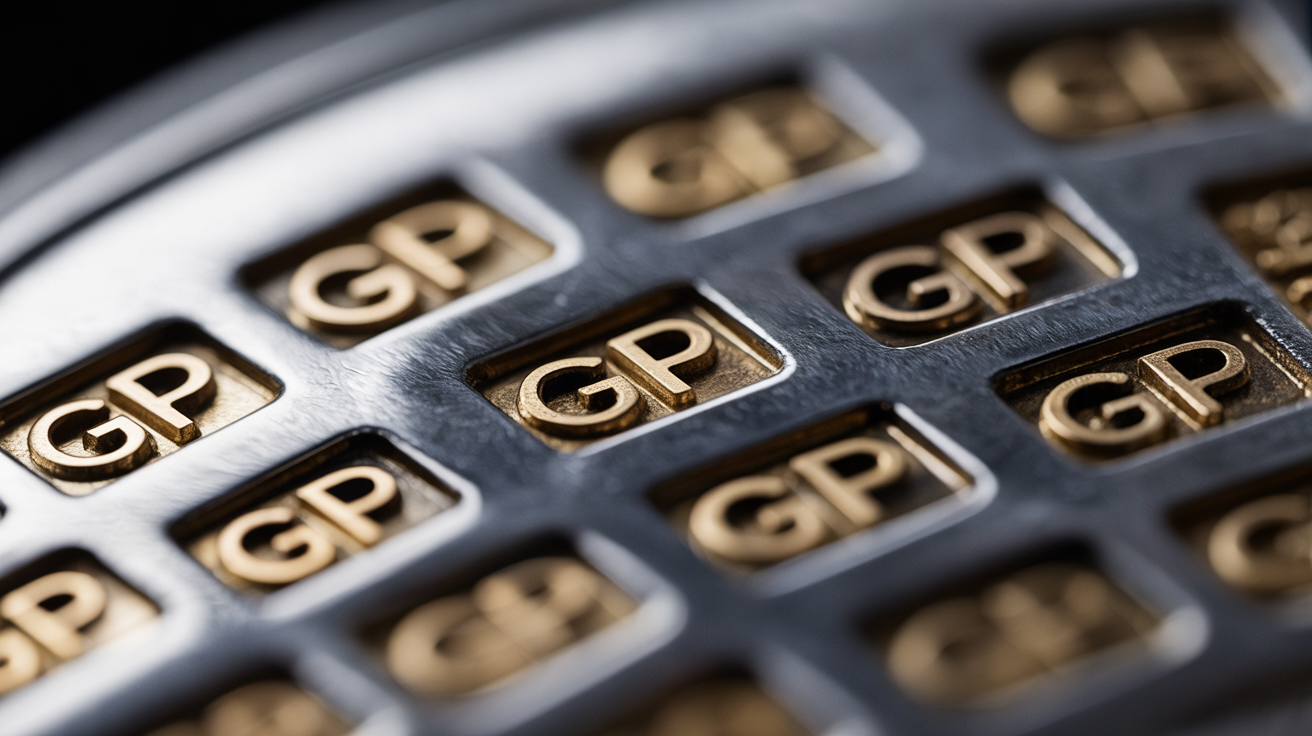
Plating stamps indicate the type and thickness of gold coating applied to base metal. These marks tell you exactly why the piece has no scrap value.
| Stamp | Meaning | Gold Content | Typical Thickness |
|---|---|---|---|
| GP | Gold Plated | 0.05-0.1% | 0.5-2.5 microns |
| GEP | Gold Electroplated | 0.05% | 0.5-1 microns |
| RGP | Rolled Gold Plate | 0.1-0.2% | 2-5 microns |
| HGE | Heavy Gold Electroplate | 0.1% | 2-3 microns |
| GF | Gold Filled | 5% | 50+ microns |
| 1/20 12K GF | Gold Filled Fraction | 5% | Standard thickness |
| Vermeil | Gold over Silver | Variable | 2.5+ microns |
| Gold Tone | No Gold | 0% | Colored coating |
These stamps appear on clasps, inside ring bands, or on the back of pendants. Manufacturers place them where they won’t interfere with the design but remain legally compliant.
The fraction marking system shows gold content ratios. “1/20 12K” means one-twentieth of the total weight is 12-carat gold. These precise measurements help manufacturers meet trade description requirements while clarifying the minimal gold content.
Look for these stamps before considering any sale. If you see GP, GEP, or similar marks, you’re holding a decorative item with no scrap value. Skip the trip to gold buyers and keep it as costume jewellery instead.
Gold Filled vs Gold Plated: Which Contains More Gold?
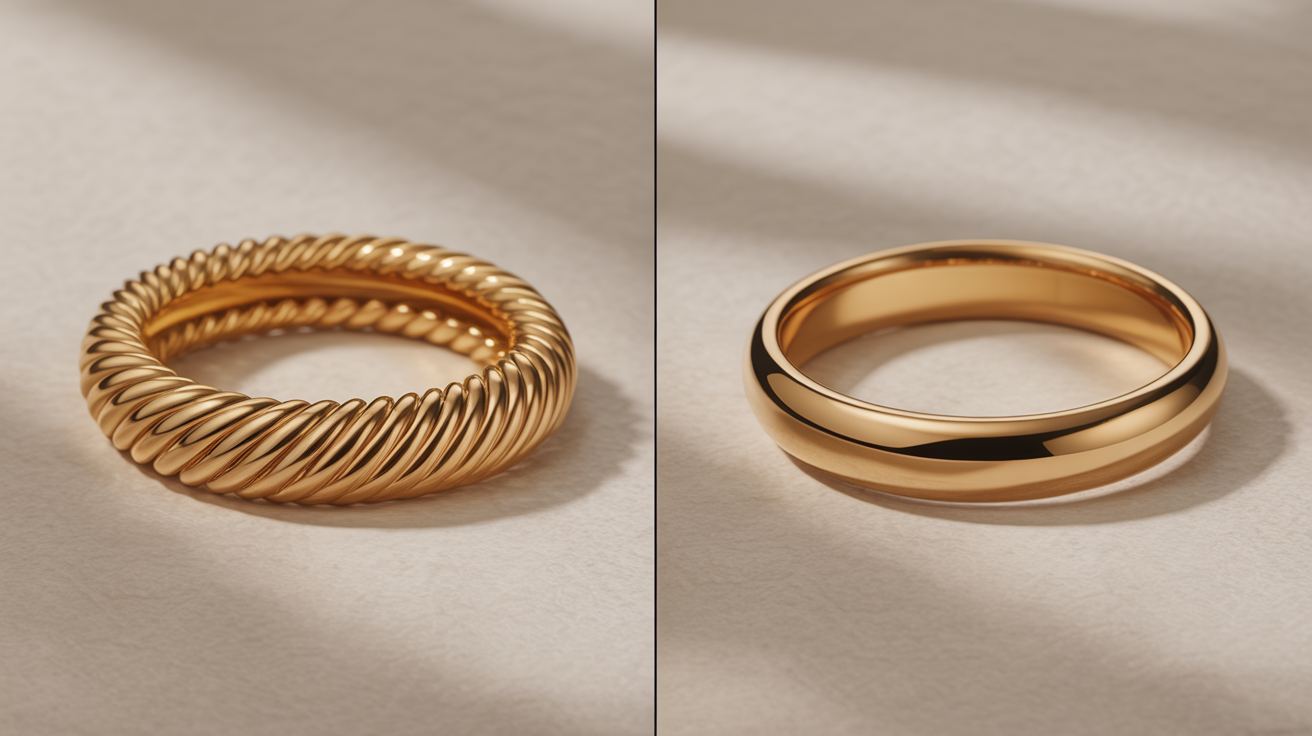
Gold filled contains 50 times more gold than standard gold plating but still lacks meaningful scrap value. The construction bonds a thick gold layer to base metal through heat and pressure.
| Feature | Gold Filled | Rolled Gold | Gold Plating |
|---|---|---|---|
| Gold Content | 5% by weight | 2-3% by weight | 0.1% by weight |
| Layer Thickness | 50-100 microns | 10-20 microns | 0.5-2.5 microns |
| Manufacturing | Heat bonded | Mechanical bonding | Electroplating |
| Durability | 10-30 years | 5-15 years | 1-3 years |
| Scrap Value | Minimal | None | None |
| Common Marks | “1/20 12K GF” | “RGP” or fraction | “GP” or “GEP” |
Gold filled items use the fraction system to show gold content. “1/20 12K GF” means 5% of total weight is 12-carat gold. This creates more durable pieces than standard plating but not enough gold to interest scrap dealers.
Rolled gold uses mechanical pressure to bond gold sheets to base metal. The process creates thicker coverage than electroplating but thinner than gold filling. Most rolled gold dates from vintage periods when the technique was more common.
Even gold filled items rarely meet the minimum gold content thresholds that UK buyers require. Processing costs for extracting small amounts of gold exceed the material value, making these pieces worthless as scrap despite containing more gold than plated alternatives.
What Visual Clues Expose Gold Plating?
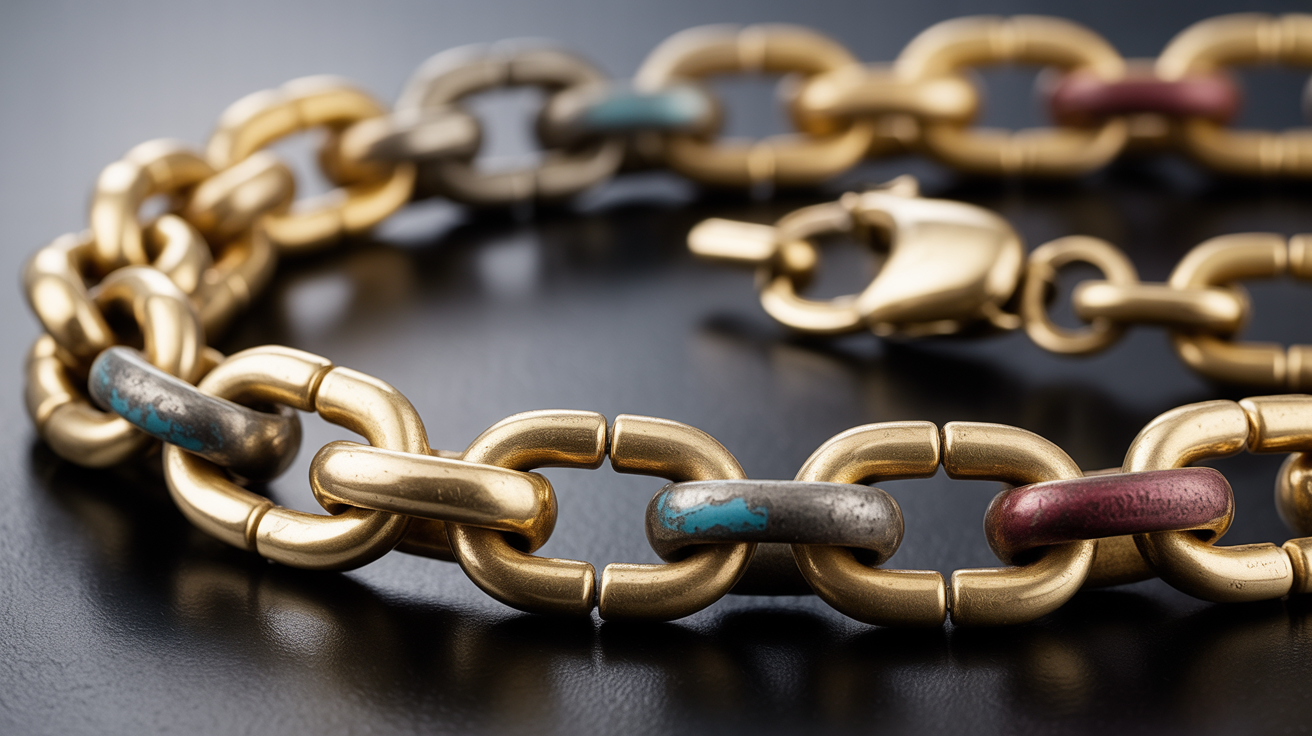
Wear patterns reveal base metal underneath gold plating within seconds of inspection. Look for these telltale signs:
Color changes at wear points, Clasps, chain links, and ring bands show different colored metal where the gold layer has worn through daily use.
Green staining on skin, Copper base metals oxidize and leave green marks on fingers or necks, something solid gold never does.
Magnet attraction, Gold plated items often stick to strong magnets because the base metal is ferromagnetic, while solid gold shows no magnetic response.
Weight differences, Plated pieces feel lighter than solid gold equivalents because base metals like aluminum or brass have lower density than gold alloys.
Tarnishing patterns, Black or dark spots appear where silver or copper base metals react with air, particularly around joints and connections.
Sharp edges showing core metal, Any chips, scratches, or worn areas expose the different colored metal underneath the gold coating.
The magnet test works with any strong refrigerator magnet. Hold the magnet near the piece without touching. Solid gold shows no attraction. Plated items often pull toward the magnet or show slight movement.
Check areas that experience friction first. Necklace clasps, bracelet hinges, and ring bands wear fastest. If you see any color variation or exposed different metals, you’re looking at plated jewellery with no scrap value.
Why Do UK Gold Buyers Reject Plated Items?
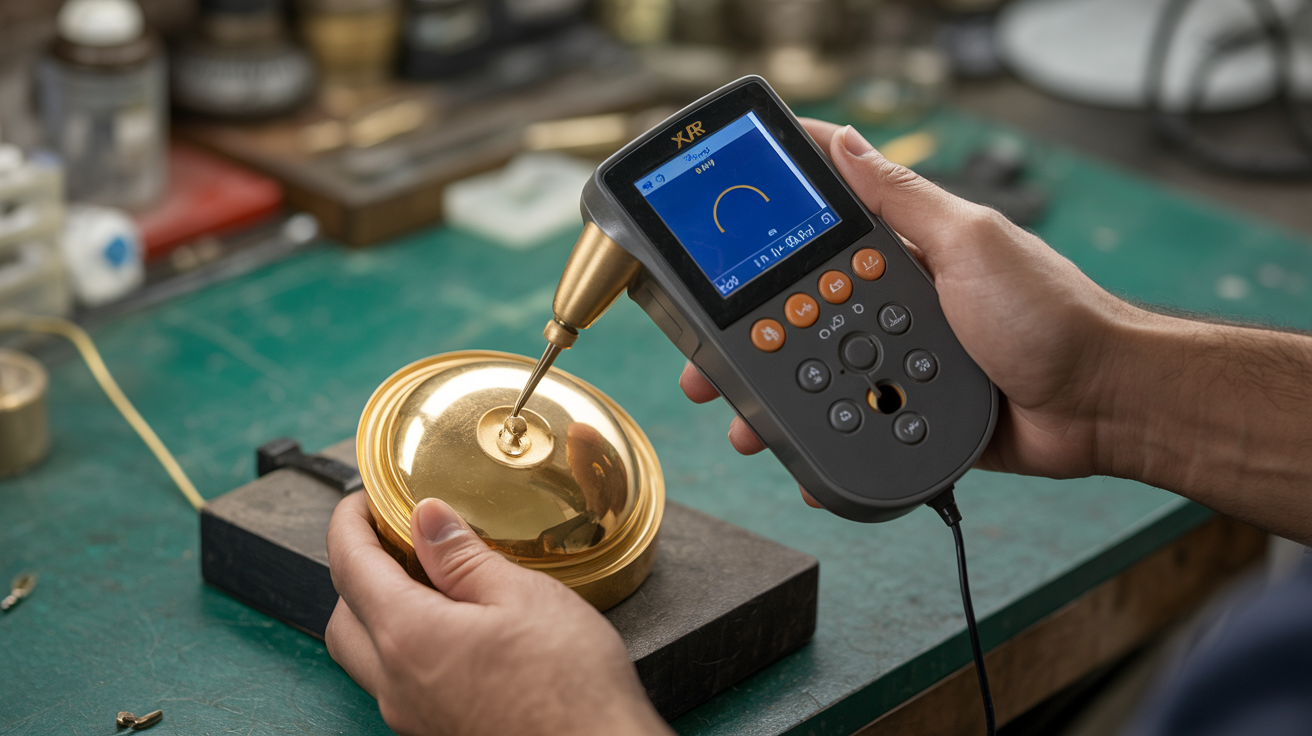
XRF testing detects negligible gold content in plated items within seconds, ending any sale possibility. Here’s the typical buyer testing process:
Visual inspection, Experienced buyers spot plating stamps and wear patterns immediately, often before touching the item.
Magnet testing, A simple magnet test eliminates most plated pieces since solid gold shows zero magnetic attraction.
XRF analysis, Electronic testing measures exact gold content throughout the piece, revealing the microscopic gold layer in plated items.
Cost calculation, Buyers compare processing costs against recoverable gold value, rejecting items where costs exceed returns.
Policy application, Most UK buyers maintain minimum gold content thresholds that plated items cannot meet.
XRF gold testing uses X-ray fluorescence to measure elemental composition without damaging the piece. The machine identifies every metal present and calculates percentages. Plated items show high readings for base metals like copper or brass with minimal gold content.
Processing plated items costs more than the gold recovery value. Separating microscopic gold layers from base metals requires chemical processes that cost more than the resulting gold is worth. Buyers operate on profit margins that make plated items uneconomical.
Gold buyer verification systems flag plated items automatically. When you check gold buyer legitimate UK services, they use the same testing equipment that rejects plated pieces. Save time by identifying plating at home before visiting any buyer.
Frequently Asked Questions
Can I sell gold plated jewellery to any UK buyers?
UK gold buyers reject gold-plated items because they contain less than 0.1% actual gold. The processing costs exceed the tiny amount of recoverable gold, making plated items worthless as scrap metal. Even pawnshop vs gold dealer comparisons show both types refuse plated pieces.
What does GP stamp on gold mean?
GP stamped on jewellery means “Gold Plated” – a thin layer of gold over base metal. This stamp instantly identifies items with no scrap value to gold buyers. You’ll need to sell unhallmarked gold UK pieces through different channels since these have decorative value only.
How can I test if my gold is plated or solid at home?
Use a strong magnet to test if the piece sticks, check for wear patterns showing different colored metal underneath, and look for GP, GF, or similar stamps. Solid gold won’t stick to magnets and shows consistent color throughout. For accurate valuation, use a sell my gold calculator UK tool after confirming the piece contains actual gold content.