

How to value a diamond starts with understanding the four specific measurements professional graders use to determine price. Most sellers have no idea what the 4Cs mean or how they create your final value.
Key Takeaways:
• Diamond resale values typically reach only 25-40% of original retail prices due to the 4Cs grading scale
• Cut grade affects value more than most sellers realize, an Excellent cut can add 15-20% to your diamond’s price
• The D-Z colour scale places most diamonds in the G-J range, where single-grade differences can mean hundreds of pounds
What Are the Diamond 4Cs and Why Do They Control Your Sale Price?
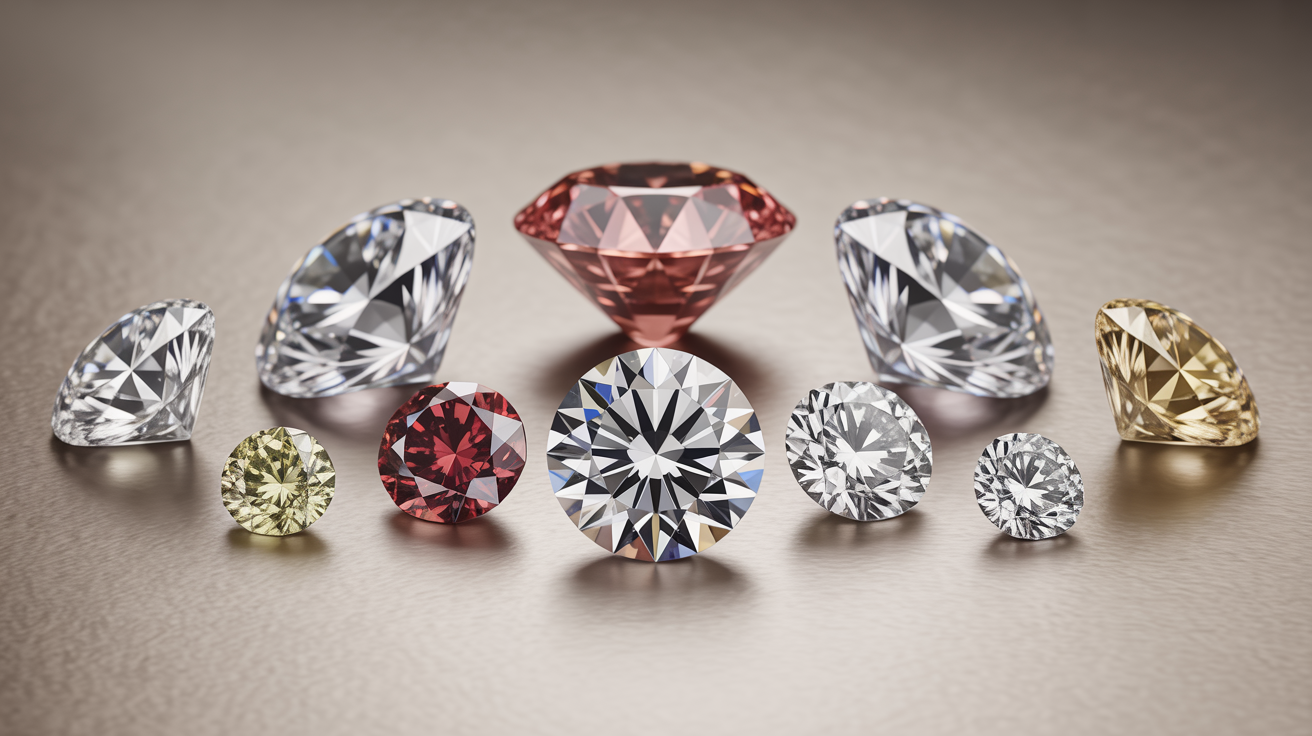
The Diamond 4Cs are cut, colour, clarity, and carat weight. This is the global standard for diamond grading that determines every diamond’s market value. This means every buyer you approach will use these four measurements to calculate what they’ll pay you.
The Gemological Institute of America created the 4Cs system in the 1950s to standardise diamond evaluation. Before this, diamond trading was chaotic. Dealers had no common language. GIA’s system now controls 90%+ of diamond pricing worldwide.
The Diamond 4Cs determine your diamond’s resale value through precise measurement scales. Each of the four characteristics gets graded on a specific range. Cut grades run from Excellent to Poor. Colour grades span D through Z. Clarity grades range from Flawless to Included. Carat weight measures exact mass to the hundredth.
Here’s what most sellers miss: the 4Cs work multiplicatively, not additively. A diamond with excellent cut but poor colour doesn’t average out to “good.” Instead, the poor colour grade pulls down the entire valuation. This is why diamonds lose 60-75% of their retail value at resale.
The diamond resale gap exists because retailers markup stones 200-400% above wholesale cost. When you sell, buyers pay wholesale rates based on current market pricing. The 4Cs system ensures every dealer worldwide uses identical criteria to assess your stone’s grade and corresponding market value.
Diamond valuation systems work by comparing your stone’s 4Cs grades against recent sales data. Professional buyers access databases like RapNet that track wholesale transaction prices for every grade combination. Your diamond’s 4Cs profile gets matched against these pricing benchmarks to determine current market value.
Buyers care about the 4Cs because they need to resell your diamond. They can’t pay retail prices because they need profit margins. The standardised grading system lets them accurately predict what they can sell your stone for in the wholesale market.
The certification accompanying your diamond validates its 4Cs grades. Without certification, buyers must grade your stone themselves using loupe examination and testing equipment. This adds uncertainty, so they’ll offer lower prices to cover the risk of their assessment being wrong.
Diamond Cut Grades: How Shape and Polish Affect Your Money
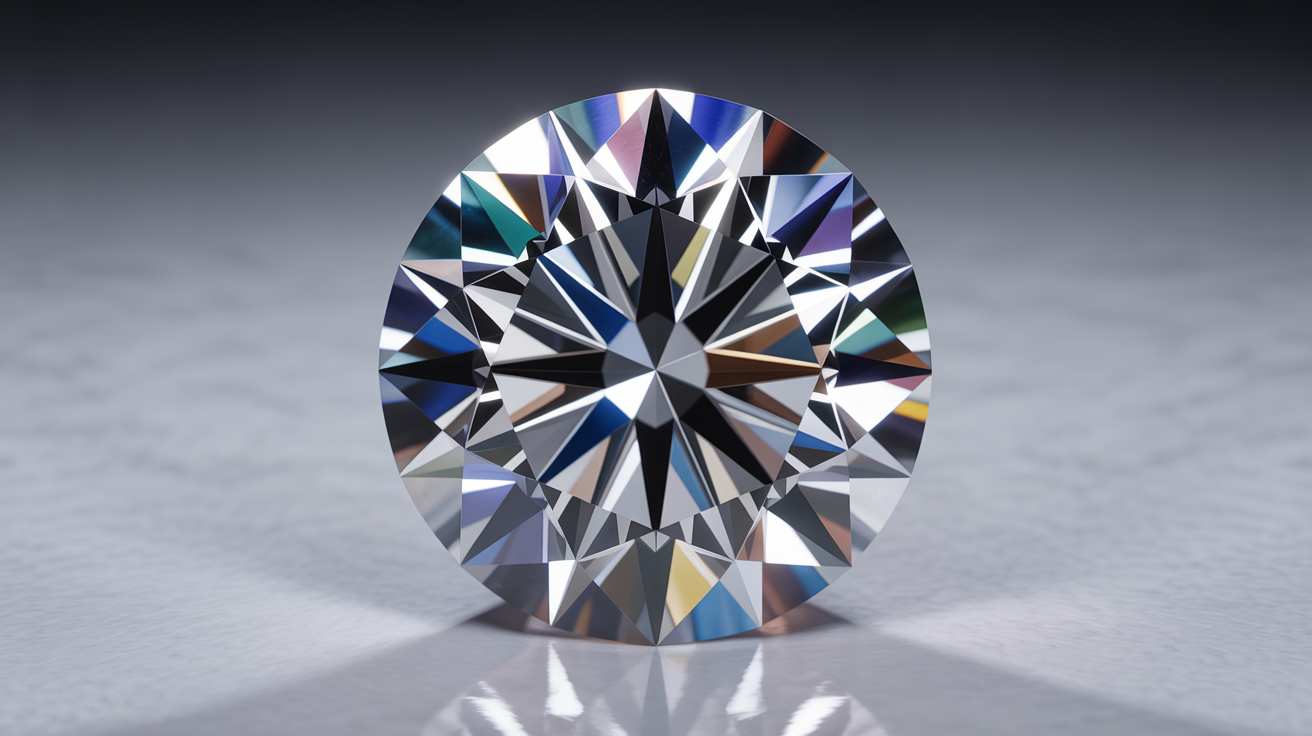
Cut grade measures how well a diamond reflects light back to your eye. This is not the same as diamond shape. Shape refers to round, princess, or emerald outlines. Cut grade evaluates the angles, proportions, and finishing quality that control brilliance and fire.
The five cut grades range from Excellent down to Poor. Most diamonds fall into the Good to Very Good range. The cut grade impacts your diamond’s resale value more than most sellers expect because light performance drives visual appeal.
| Cut Grade | Light Performance | Price Premium vs Good Cut | Typical Buyer Feedback |
|---|---|---|---|
| Excellent | Maximum brilliance and fire | +15-20% | “Stone has exceptional sparkle” |
| Very Good | Strong light return | +8-12% | “Good brilliance, minor light leakage” |
| Good | Adequate light performance | Baseline price | “Acceptable sparkle for the grade” |
| Fair | Noticeable light loss | -15-25% | “Dull appearance affects value” |
| Poor | Significant light leakage | -30-40% | “Stone appears lifeless” |
Cut grade affects your sale price because it controls what buyers see when they examine your diamond. An Excellent cut stone shows maximum brilliance and fire. Light enters the diamond and reflects back through the top, creating the sparkle that attracts buyers. Poor cut diamonds let light escape through the bottom and sides, appearing dull even under jewellery store lighting.
The cutting process determines these optical properties through precise angle measurements. The crown angle, pavilion angle, and table percentage must align within tight tolerances to achieve Excellent grades. Even small deviations in these measurements drop the cut grade and reduce market value.
Excellent cut diamonds typically sell for 15-20% more than Very Good cut stones of identical carat, colour, and clarity. This premium exists because cut quality is immediately visible to buyers. You can’t hide poor cutting behind certification or clever lighting.
Most sellers focus on carat weight and ignore cut quality. This is backwards thinking for resale value. A well-cut 0.9-carat diamond often commands higher prices than a poorly cut 1.0-carat stone because the smaller diamond performs better visually.
Diamond buyers assess cut quality through both certification and direct examination. They look for proper proportions, symmetry, and polish grades on the certificate. Then they examine the stone under controlled lighting to verify the optical performance matches the paper grading.
The cut grade becomes your competitive advantage when selling. Excellent cut diamonds stand out immediately during buyer evaluation. They photograph better, appear larger than their actual carat weight, and hide inclusions more effectively than inferior cuts.
Diamond Colour Scale: What D to N Actually Means for Sellers
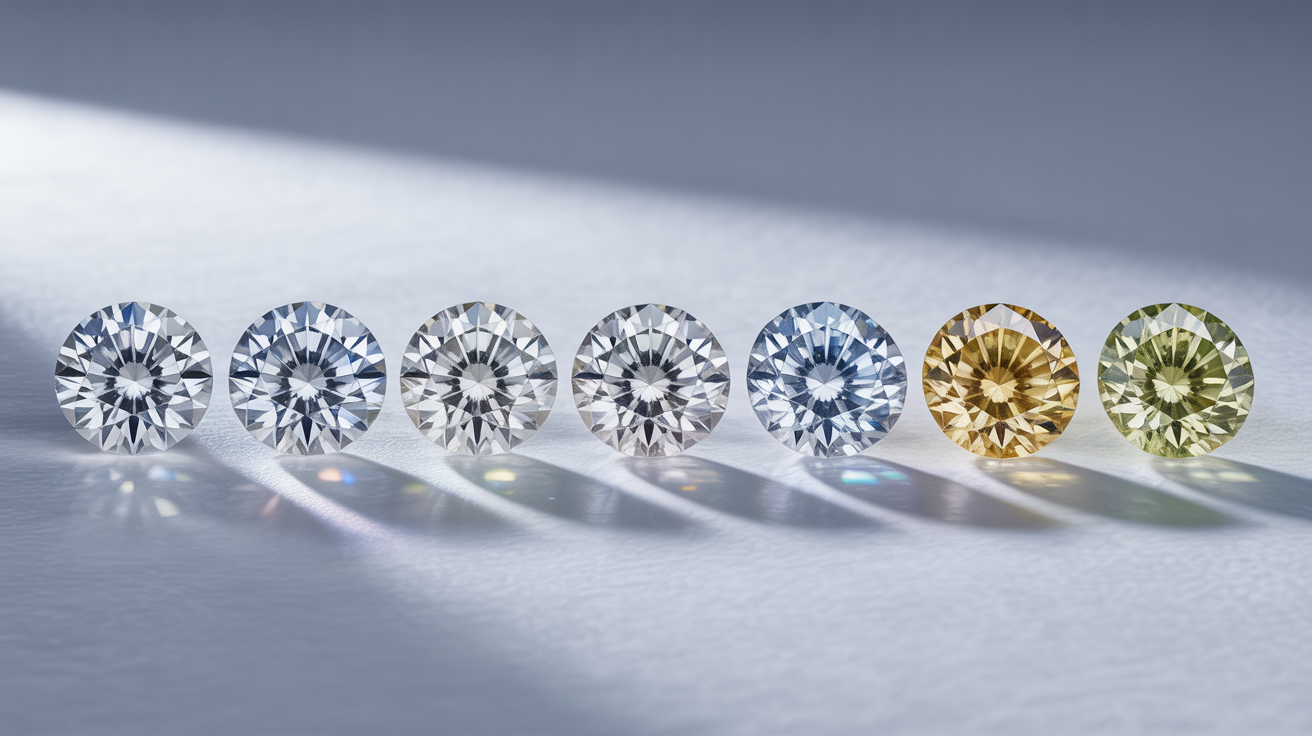
The colour scale runs from D (colourless) through Z (light yellow or brown). Most UK diamonds fall between F and J grades, where colour differences require trained eyes to detect. Understanding this scale helps you set realistic sale price expectations.
The colour grade determines your diamond’s market value through buyer perception of quality. Here’s how to read colour grades on certificates:
- Identify the letter grade, look for single letters D through N on your GIA or similar certification.
- Check the grade description, certificates include terms like “colourless,” “near colourless,” or “faint colour.”
- Compare against the scale, D, E, F are colourless; G, H, I, J are near colourless; K, L, M, N show faint colour.
- Assess visibility, colour becomes noticeable to untrained eyes around the J-K boundary.
- Factor in setting impact, yellow gold settings hide colour better than white gold or platinum.
The D-Z system groups colours into distinct categories that buyers recognise immediately. Colourless diamonds (D-F) command premium prices because they’re rare. Near colourless stones (G-J) offer the best value proposition for most sellers. Faint colour grades (K-N) see significant price drops because yellow tints become obvious.
85% of diamonds sold in the UK fall between F and J colour grades. This clustering happens because these grades balance visual appeal with affordability for original retail buyers. When you’re selling, this concentration works in your favour because buyers understand these grades well.
Colour grading requires controlled lighting and master stone comparisons. Professional graders view diamonds face-down against white paper under standardised daylight-equivalent bulbs. They compare your stone against certified master stones of known grades to determine exact colour placement.
The colour grade affects pricing through psychological perception. Buyers associate colourless diamonds with higher quality, even when colour differences aren’t visible in normal viewing. This perception translates directly into price premiums that benefit sellers with better colour grades.
Most sellers can’t detect colour differences between adjacent grades. G and H look identical to untrained eyes. But buyers pay 5-8% more for G colour because the certificate confirms the superior grade. This is why certification matters for colour-sensitive diamonds.
Diamond Clarity Grades: Which Flaws Actually Matter When Selling
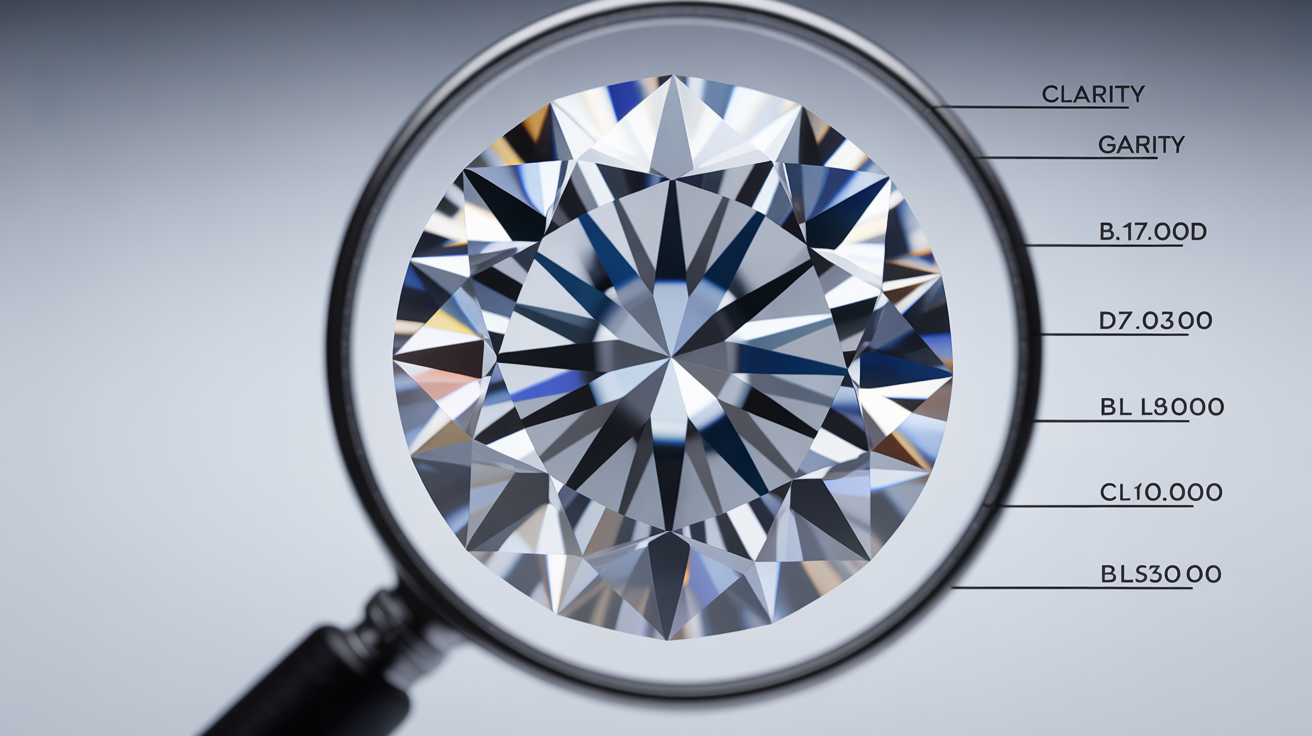
Clarity grades measure internal inclusions and external blemishes that formed during crystal growth. The scale runs from Flawless (FL) down to Included (I3), with most diamonds falling in the SI1-SI2 range where inclusions exist but aren’t visible without magnification.
The clarity grade affects buyer willingness to pay through inclusion visibility and structural impact. Here are the clarity issues that matter most when selling:
• Eye-clean inclusions, SI1 and SI2 grades with inclusions invisible to naked eye maintain strong resale value
• Visible dark crystals, black carbon spots in I1+ grades significantly reduce buyer interest and pricing
• Crack-like feathers, internal fractures that reach the surface create durability concerns and price penalties
• Cloud formations, dense groupings of tiny inclusions can make diamonds appear milky and reduce light performance
• Laser drill holes, artificial channels created during clarity enhancement treatments lower value substantially
SI1 and SI2 grades represent 60% of diamonds sold because inclusions aren’t visible without magnification. These grades offer sellers the best balance of quality perception and market acceptance. Buyers know they’re getting genuine natural diamonds with character marks that don’t affect beauty or durability.
The clarity grading process examines diamonds under 10x magnification to map every inclusion and blemish. Graders consider inclusion type, size, position, and colour when assigning final grades. Inclusions near the center or table affect grades more than those hidden under the crown or near the girdle.
Flawless and Internally Flawless diamonds command significant premiums but represent less than 1% of natural stones. Most sellers won’t have these grades. VVS1 and VVS2 diamonds contain inclusions so small they’re difficult to find even under magnification, maintaining strong resale values.
VS1 and VS2 clarity grades offer excellent resale potential because inclusions remain invisible to buyers during normal examination. These diamonds photograph well and perform optically like higher clarity grades while avoiding the premium pricing of VVS stones.
The clarity grade becomes less important as carat weight increases. Large diamonds naturally contain more inclusions, so buyers accept lower clarity grades in 2+ carat stones. Small diamonds under 0.5 carats can hide inclusions effectively, making clarity less of a selling factor.
Carat Weight Pricing: Why Size Jumps Create Value Cliffs
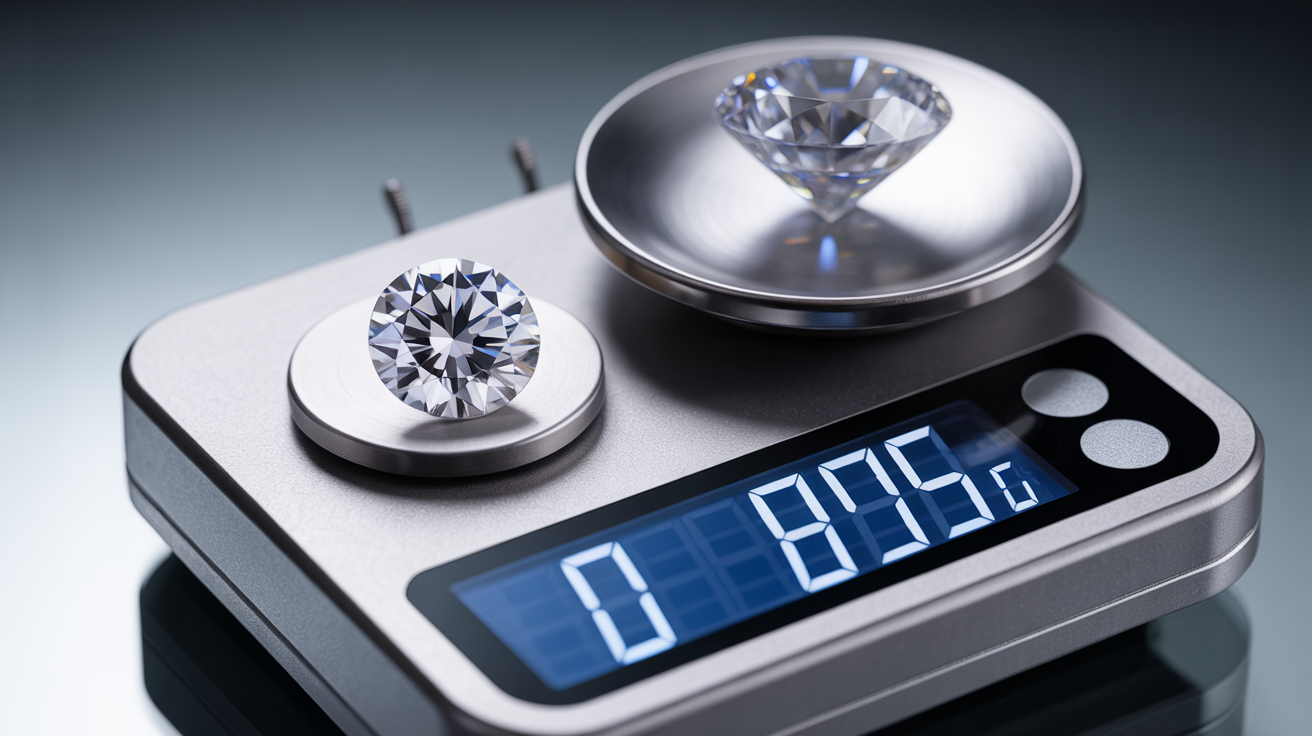
Carat weight measures diamond mass using a scale where one carat equals 200 milligrams or 100 points. The carat weight creates pricing curve jumps at psychological thresholds where buyers pay premiums for round numbers like 0.5ct, 1.0ct, and 2.0ct.
The pricing system works in points rather than decimals for precision. A 75-point diamond weighs 0.75 carats. A 150-point stone weighs 1.50 carats. Buyers and sellers use both systems interchangeably, but certificates always show exact carat weights to the hundredth.
A 0.95ct diamond typically costs 8-12% less than an identical 1.00ct stone due to psychological pricing thresholds. The five-point difference in actual size is invisible to the naked eye, but the psychological impact of “under one carat” versus “one carat” affects buyer perception and willingness to pay premium prices.
The carat weight pricing curve creates value cliffs at key thresholds. Diamonds just under 0.50ct, 1.00ct, 1.50ct, and 2.00ct sell for significantly less than stones just above these weights. Smart original buyers often chose 0.90ct or 1.90ct diamonds to avoid paying threshold premiums, but this strategy hurts resale values.
Buyers weigh diamonds using certified precision scales before making final offers. They don’t rely on certificate weights alone because diamond weight affects pricing so dramatically. A stone certified at 1.00ct that actually weighs 0.98ct will price as a sub-carat diamond.
The carat weight determines your price category before other factors get considered. Buyers group diamonds into carat ranges for pricing: under 0.5ct, 0.5-0.99ct, 1.0-1.49ct, 1.5-1.99ct, and 2.0ct+. Each category has different market dynamics and buyer pools.
Large diamonds above 2 carats command exponential price increases because rarity increases dramatically with size. The supply of 3-carat diamonds is roughly 1% of 1-carat supply. This scarcity drives pricing premiums that benefit sellers of larger stones, assuming quality grades remain constant across the 4Cs spectrum.
How Do the 4Cs Actually Interact to Set Your Final Price?
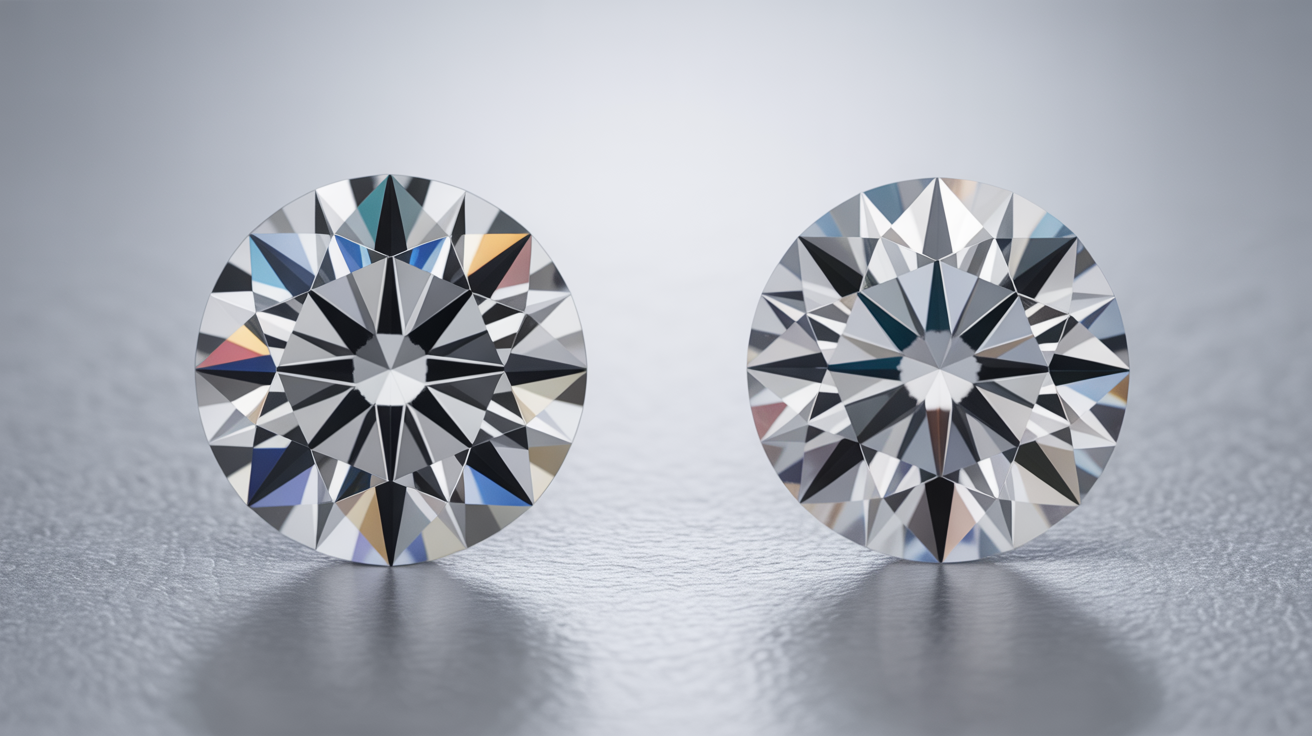
The 4Cs combination determines your final diamond price through multiplicative rather than additive effects. A diamond with excellent cut but poor colour doesn’t average out to middle-range value. Instead, the poor colour grade reduces the entire stone’s market appeal and corresponding buyer willingness to pay.
RapNet processes over £2 billion in diamond transactions monthly and sets baseline pricing for UK dealers. This wholesale trading platform uses 4Cs combinations to create pricing matrices that buyers reference when evaluating your diamond. Your stone gets matched against recent sales of identical grade combinations.
| Grade Combination | 1ct Example Price | Market Position | Buyer Appeal |
|---|---|---|---|
| Excellent/D/VVS1 | £8,500-9,200 | Premium collector grade | High-end buyers only |
| Very Good/G/SI1 | £4,200-4,800 | Sweet spot for resale | Broad buyer interest |
| Good/J/SI2 | £2,800-3,400 | Budget conscious buyers | Price-driven market |
| Fair/M/I1 | £1,500-2,100 | Heavily discounted | Limited buyer pool |
Diamond buyers make trade-offs between 4Cs characteristics based on their target market. Some buyers prefer high colour and clarity with acceptable cut quality. Others prioritise excellent cut grades and accept lower colour or clarity. These preferences create pricing variations for identical carat weights.
The 4Cs interaction creates sweet spots where grade combinations offer maximum market appeal. The G-H colour, SI1-SI2 clarity, Very Good-Excellent cut combination attracts the broadest buyer base because these grades balance quality perception with pricing accessibility.
Certified diamonds with balanced 4Cs grades sell faster than stones with extreme variations. A 1-carat diamond with D colour but I2 clarity creates buyer confusion about value positioning. Most buyers prefer consistent quality across all four characteristics rather than one outstanding grade offset by poor performance elsewhere.
The grading interaction affects pricing through compound effects. Moving from G to F colour might add 8% to value. Improving from SI2 to SI1 clarity could add another 6%. But getting both upgrades together often adds 16-18% rather than the expected 14% because buyers perceive the combination as premium quality.
RapNet diamond pricing shows how wholesale buyers value different 4Cs combinations in real transactions. Sellers benefit from understanding these patterns because retail buyers often follow wholesale pricing trends when making private purchase decisions.
Do You Need Diamond Certification to Get Fair Value?
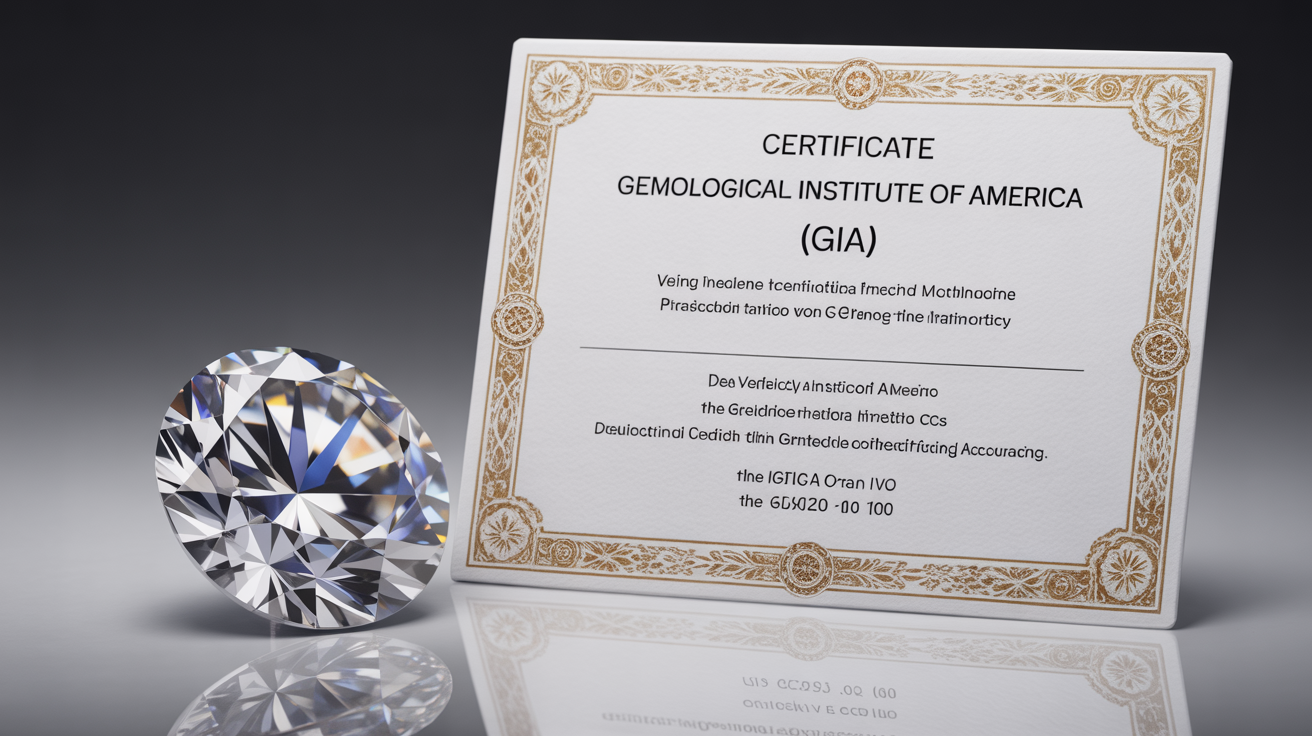
Diamond certification validates 4Cs grading accuracy through independent laboratory analysis, but you can sell uncertified diamonds if buyers can assess quality themselves. The question becomes whether certification costs justify the price premium you’ll receive from verified grading.
GIA grading reports represent the gold standard for diamond certification because they’re recognized globally and maintain consistent grading standards. Other reputable labs include AGS, Gübelin, and SSEF, but GIA certificates command the highest buyer confidence and corresponding price premiums.
Uncertified diamonds get valued through direct buyer examination using professional equipment. Buyers assess the 4Cs using loupes, colorimeters, and proportion analysis tools. They apply conservative grading because they bear the risk if their assessment proves optimistic during resale.
The certification process costs £100-300 depending on diamond size and requested services, but GIA-certified diamonds typically sell for 10-15% more than identical uncertified stones because buyers trust the grading. This premium often exceeds certification costs, making professional grading profitable for valuable stones.
Diamond appraisal methods differ from certification in scope and purpose. Appraisals estimate insurance replacement values and often inflate actual market worth. Certifications focus solely on 4Cs grading without value opinions, making them more useful for sale transactions.
Buyers prefer certified diamonds because grading removes uncertainty from purchase decisions. They know exactly what they’re buying and can price accordingly. Uncertified stones require buyers to invest time in evaluation and accept grading risk, leading to lower offer prices.
The certification benefit analysis depends on your diamond’s characteristics. Stones with obvious quality issues don’t benefit from certification because professional grading won’t improve buyer perception. High-quality diamonds gain the most from certification because verified excellence commands premium pricing.
Frequently Asked Questions
What makes a diamond valuable for resale?
Diamond resale value comes from the 4Cs grading system: cut, colour, clarity, and carat weight. These four factors interact to determine what buyers will pay, with certified stones from GIA or similar labs commanding higher prices. Market demand and current diamond spot prices also influence final offers.
Can I get my diamond valued without professional certification?
Yes, diamond buyers use their own testing equipment to assess the 4Cs if you don’t have certification. However, uncertified diamonds typically receive lower offers because buyers build in risk premiums. Professional certification from GIA costs £100-300 but often increases sale value by 10-15%.
Do all four Cs matter equally when selling diamonds?
No, the 4Cs have different impact levels on resale value. Carat weight affects price most dramatically due to psychological thresholds at 1ct, 2ct, etc. Cut quality comes next because it controls the stone’s brilliance. Colour and clarity matter less unless they’re at extreme ends of the scale.