
Sell My Gold UK: The Complete Guide to Selling Gold
Sell my gold decisions in the UK cost sellers an average of 30% of their gold’s value through wrong buyer choices and misunderstanding item worth. Whether you’re considering selling gold jewelry, need to understand gold hallmarks explained UK rules, want to sell gold coins, or looking for places to sell scrap gold near me, knowing current gold selling prices UK and finding the best place to sell my gold requires avoiding common gold selling scams UK while timing when you should sell gold now.
Key Takeaways:
• UK hallmarked 18ct gold commands 15-20% higher prices than unmarked pieces of identical weight
• Online gold buyers typically offer 60-75% of spot price while high street pawnbrokers offer 45-60%
• Capital gains tax applies to gold sales exceeding £6,000 annual exemption, with rates up to 28%
What Determines My Gold’s Value in the UK?

Gold purity is the percentage of pure gold in your item expressed in carats or fineness. This means a 9ct ring contains 37.5% pure gold while 18ct contains 75% pure gold. The higher the purity, the more your gold is worth per gram.
UK hallmarking provides legal proof of gold purity through stamps applied by assay offices. Gold purity determines market value through a direct mathematical relationship. Hallmarked pieces command premium prices because buyers can verify purity without expensive testing. The Birmingham, London, Edinburgh, and Sheffield assay offices apply these marks after independent testing.
The LBMA gold fix sets London’s gold spot price twice daily at 10:30am and 3:00pm. This price becomes the baseline for UK gold transactions. At today’s LBMA fix of £1,580 per troy ounce, 18ct gold trades at approximately £30.15 per gram while 9ct gold trades at £15.07 per gram before dealer margins.
Scrap gold valuation differs from collectible valuation. Scrap buyers pay based on melt value minus processing costs. Collectible pieces may exceed scrap value due to maker, age, or rarity. A 1960s Cartier bracelet might sell for £2,000 when its gold content is worth £800.
Weight matters more than appearance for scrap sales. A bent 22ct wedding ring weighing 5 grams is worth more than a pristine 9ct chain weighing 3 grams. Stones add minimal value unless they’re diamonds over 0.25 carats or precious gems with certificates.
Hallmark positioning affects pricing. Full hallmarks (fineness, assay office, date letter, maker’s mark) on visible areas command top prices. Worn hallmarks or marks in hidden locations may require additional verification, reducing offers by 5-10%.
UK Gold Selling Options: Where Should I Sell?
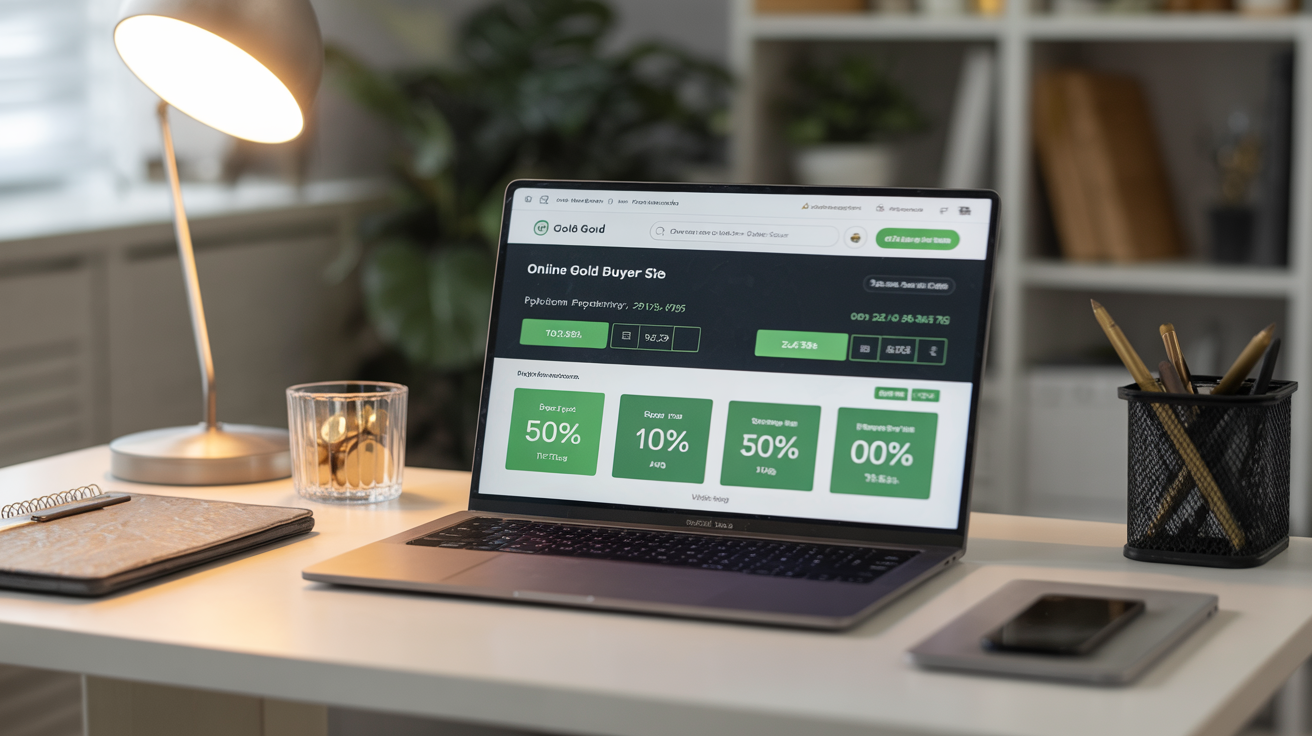
Selling channels offer different valuations based on their business models and overhead costs. Online buyers typically provide higher percentages of spot price because they process larger volumes with lower retail costs.
| Selling Channel | % of Spot Price | Processing Time | Verification Required | Best For |
|---|---|---|---|---|
| Online Gold Buyers | 60-75% | 3-5 days | Photo + postal | Standard jewelry, coins |
| High Street Pawnbrokers | 45-60% | Immediate | In-person assessment | Urgent cash needs |
| Auction Houses | 70-90% | 4-8 weeks | Professional valuation | Antique/designer pieces |
| Coin Dealers | 85-95% | 1-3 days | Grade verification | Bullion coins, sovereigns |
| Private Sales | 80-100% | Variable | Buyer’s choice | Unique/collectible items |
Online gold buyers process thousands of transactions monthly, spreading fixed costs across larger volumes. Companies like The Gold Company and Cash4Gold UK offer postal services with insured shipping. They provide instant quotes based on photos but final prices depend on in-house testing.
High street pawnbrokers offer immediate payment but lower percentages due to retail overheads and smaller volumes. They’re ideal when you need cash within hours rather than days. Most use handheld XRF analyzers for instant purity testing.
Auction houses suit antique or designer pieces worth more than scrap value. Bonhams and Christie’s jewelry auctions attract collectors willing to pay premiums. Commission rates run 10-25% but final prices often exceed scrap value significantly.
Gold buyer verification separates legitimate businesses from scammers. Check FCA registration numbers, physical addresses, and trade association memberships. Legitimate buyers provide detailed terms, cooling-off periods, and insurance for postal transactions.
Coin dealers specialize in bullion and numismatic pieces. They understand premium over spot values for sovereigns, Britannias, and proof sets. Dealer networks mean better prices for recognized bullion products than general scrap buyers offer.
How Do I Calculate What My Gold Is Worth?

Scrap gold valuation follows a specific calculation method combining weight, purity, and current spot price. These steps give you accurate pre-sale estimates.
Weigh your gold using digital scales accurate to 0.1 grams. Kitchen scales lack sufficient precision for valuable metals. Jewelry stores often provide free weighing services.
Identify purity from hallmarks or have items tested. UK hallmarks show fineness (375 for 9ct, 750 for 18ct, 916 for 22ct). Unmarked pieces require XRF testing or acid tests.
Convert weight to troy ounces by dividing grams by 31.1035. Gold trades in troy ounces globally, so this conversion is essential for accurate calculations.
Multiply troy ounces by purity percentage and current LBMA spot price. For 5 grams of 18ct gold: 5 ÷ 31.1035 = 0.1607 troy ounces × 0.75 purity × £1,580 spot price = £190.43 theoretical value.
Apply dealer margins to estimate realistic offers. Subtract 25-40% from theoretical value for processing, profit, and risk margins. The 5-gram 18ct example yields £114-143 realistic offers.
Account for additional deductions like stones, clasps, or wear. Buyers often deduct 5-15% for non-gold components or processing complexity.
Current LBMA pricing makes 9ct gold worth approximately £15.07 per gram in theoretical pure value. A typical 10-gram 9ct chain worth £150.70 theoretically might generate offers of £90-110 after margins. This calculation prevents accepting lowball offers from unscrupulous buyers.
What Types of Gold Items Can I Sell?
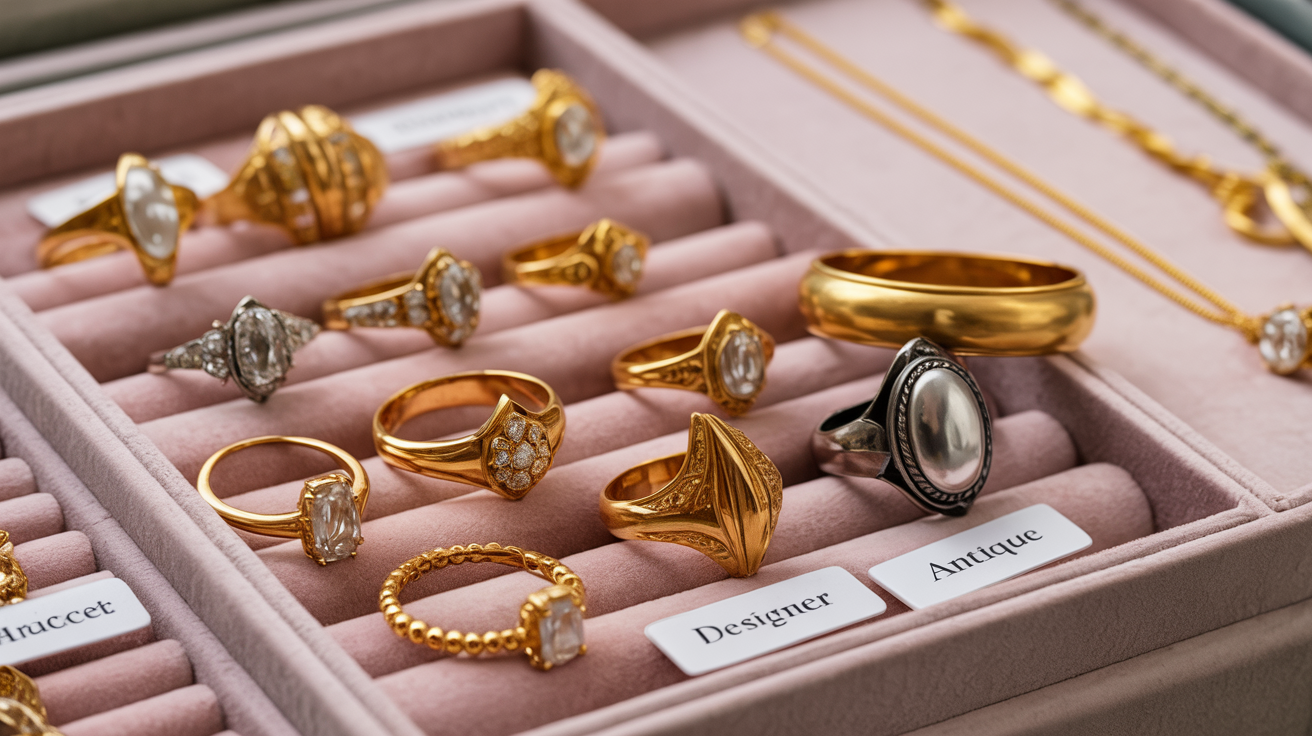
Gold items have different valuation approaches based on their form, condition, and market demand. Understanding these categories helps maximize your selling price.
• Jewelry accounts for 65% of UK gold sales including rings, necklaces, bracelets, and earrings. Broken or unworn pieces sell at scrap value while designer or antique pieces may exceed melt value by 50-200%.
• Gold coins and bullion represent 20% of transactions with sovereigns, Britannias, and Krugerrands commanding premiums over spot price. Modern bullion coins trade close to gold content value while historic coins gain numismatic premiums.
• Dental gold comprises 8% of sales with high purity (often 16-22ct) making it valuable despite small quantities. Dental gold requires careful cleaning but buyers readily accept it at standard scrap rates.
• Gold watches contribute 5% of market volume where movement value sometimes exceeds gold content. Luxury brands like Rolex or Omega may be worth more intact than scrapped for gold.
• Miscellaneous items include fountain pen nibs, spectacle frames, and decorative objects representing the remaining 2% of sales. These often surprise sellers with their gold content and purity levels.
UK hallmarking significantly affects valuation across all categories. Hallmarked pieces receive immediate accurate pricing while unmarked items face testing delays and price reductions. The hallmarking system guarantees purity, eliminating buyer risk and supporting premium pricing.
Scrap gold valuation applies when items lack collector value, show significant wear, or contain minimal precious metal content. Items worth more than scrap include pre-1920 jewelry, signed designer pieces, and complete sets in original boxes.
Condition affects pricing differently across categories. Damaged jewelry sells at scrap rates while damaged coins may lose numismatic premiums. However, gold content value remains constant regardless of cosmetic condition.
How Do I Avoid Gold Selling Scams?

Gold buyer verification prevents financial losses through systematic checks of credentials, pricing, and contract terms. Scammers target uninformed sellers with below-market offers and questionable practices.
• Verify FCA registration numbers through the Financial Conduct Authority website as legitimate precious metals dealers require authorization. Companies like H&T Pawnbrokers (FCA: 308575) and The Gold Company display registration prominently.
• Check physical addresses and visit premises when possible since legitimate buyers operate from established locations with proper facilities. PO box addresses or residential locations raise red flags about business legitimacy.
• Confirm trade association memberships with organizations like the National Association of Goldsmiths or British Numismatic Trade Association which require members to follow ethical trading standards and dispute resolution procedures.
• Compare offers against current LBMA spot prices using online calculators to identify lowball offers below reasonable margins. Offers below 40% of spot price for standard scrap gold indicate potential scams.
• Read contract terms carefully, especially regarding cooling-off periods and return policies as legitimate buyers offer 7-14 day cancellation rights on postal transactions. Immediate payment demands suggest pressure selling tactics.
• Avoid door-to-door buyers or temporary “gold buying events” in hotels which create pressure situations and lack permanent business addresses for follow-up issues.
Legitimate buyers provide detailed explanations of their pricing methodology, testing procedures, and business credentials. They encourage customers to obtain multiple quotes and never pressure immediate decisions.
Price verification methods include requesting itemized breakdowns showing weight, purity, spot price, and margin calculations. Reputable buyers gladly explain their assessment process and provide documentation supporting their offers.
What Are the Tax Implications When I Sell Gold?

Capital gains tax gold rules apply to significant sales when profits exceed annual exemption thresholds. Understanding these requirements prevents unexpected tax bills and compliance issues.
Capital gains tax applies when gold sale proceeds exceed the £6,000 annual exemption limit. CGT rates reach 10% for basic rate taxpayers and 20% for higher rate taxpayers on gains above this threshold. Sales timing across tax years can help manage exposure.
Personal jewelry worn regularly typically qualifies for “chattel exemption” when sold for under £6,000 per item. This exemption covers wedding rings, everyday chains, and similar pieces. However, investment gold like coins and bars faces full CGT liability.
Record keeping requirements include purchase receipts, sale documentation, and evidence of ownership duration. HMRC may request proof of acquisition cost and sale proceeds during investigations. Missing documentation can result in estimated assessments based on unfavorable assumptions.
Professional advice becomes essential when annual sales exceed £3,000 or total assets approach the £6,000 threshold. Tax advisors can structure sales across multiple years or identify additional exemptions.
Coins receive different treatment based on their legal tender status. UK sovereigns and Britannias qualify as legal tender, potentially avoiding CGT entirely. Foreign coins and bullion bars face standard CGT rules without exemptions.
Inheritance considerations affect tax calculations when selling inherited gold. Beneficiaries receive “stepped-up basis” valuations at probate values, potentially reducing CGT exposure on subsequent sales. Professional valuation at inheritance dates provides essential documentation.