

Documents needed to sell gold UK catch most sellers off-guard when buyers reject transactions for missing paperwork. Whether you’re looking for the best place to sell my gold or completing your first gold sale, proper documentation determines whether your transaction proceeds or gets blocked.
Key Takeaways:
- UK law requires photo ID and proof of address for all gold transactions over £500 under anti-money laundering regulations
- Postal gold services typically require 2 forms of ID documentation before they’ll process your sale
- Proof of ownership isn’t legally required but 73% of reputable dealers request it for high-value items
What Photo ID Do UK Gold Buyers Actually Accept?
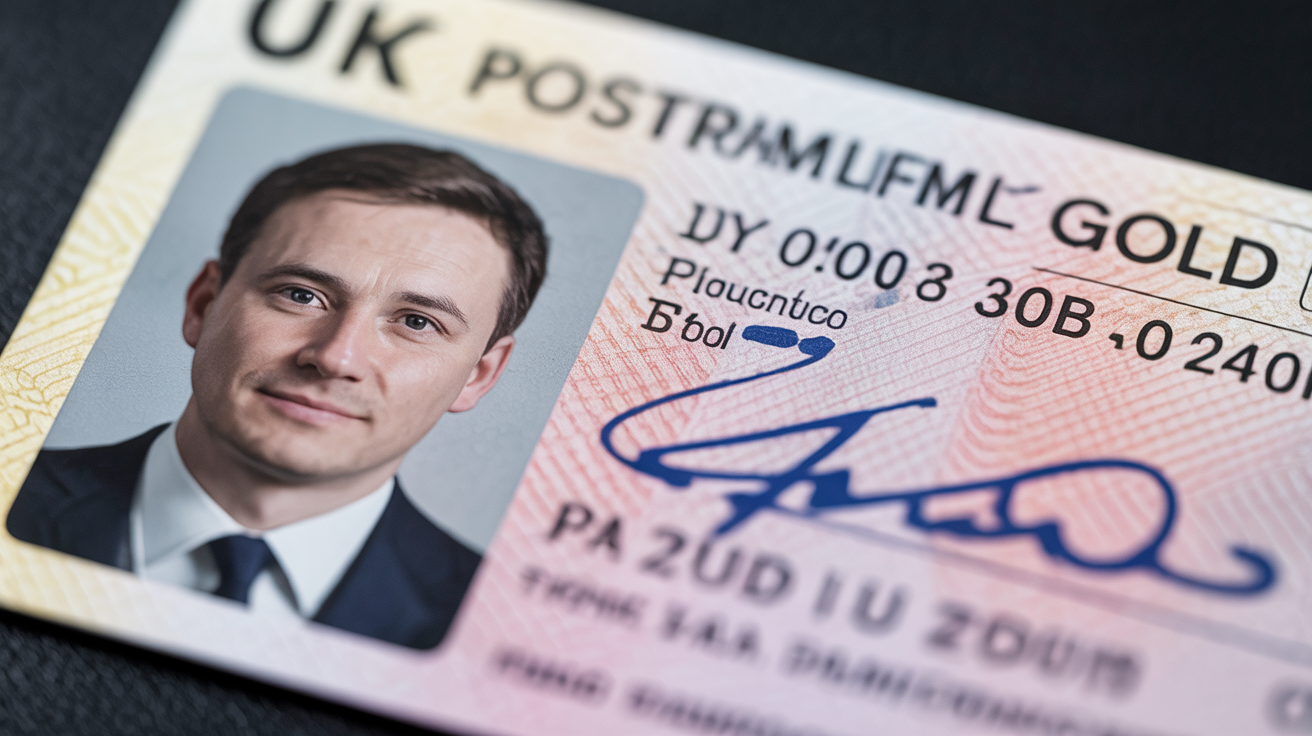
UK gold buyers accept specific photo identification types under Customer Due Diligence regulations. Valid photo ID must be current, government-issued, and contain both your photograph and signature. The document quality affects acceptance rates, particularly for postal gold services that scan copies remotely.
| ID Type | In-Person Acceptance | Postal Service Acceptance | Notes |
|---|---|---|---|
| UK Passport | 100% | 100% | Most widely accepted, highest quality scans |
| UK Driving Licence (Photo) | 98% | 95% | Paper licences rejected, must be photocard |
| EU National ID Card | 85% | 60% | Post-Brexit verification delays common |
| Provisional Driving Licence | 90% | 80% | Accepted but may trigger additional checks |
| Military ID | 70% | 45% | Limited acceptance, varies by dealer |
Passports offer the highest acceptance rate because they contain multiple security features that dealers can verify easily. UK photocard driving licences work for most transactions, but paper licences from before 1998 get rejected universally.
European ID cards face increased scrutiny since Brexit. Many postal services now require additional documentation to verify EU cards, causing processing delays of 5-7 working days. Some dealers stopped accepting EU ID entirely to avoid verification complications.
Provisional licences work for most dealers but may trigger Enhanced Due Diligence procedures for transactions over £2,000. Military ID acceptance varies significantly between dealers, with Hatton Garden dealers more likely to accept them than online services.
Proof of Address: What Documents Count and What Don’t?

UK gold dealers require proof of address documentation to comply with anti-money laundering regulations. Acceptable documents must be dated within 3 months and show your current residential address matching your photo ID.
• Bank statements – Most accepted document type, must show account holder name and be dated within 3 months
• Council tax bills – Accepted by all dealers, annual bills valid for full tax year period
• Utility bills – Gas, electricity, water bills accepted; mobile phone bills rejected by 80% of dealers
• HMRC correspondence – Tax letters, benefit statements, National Insurance documents all accepted
• Mortgage statements – Building society and bank mortgage statements accepted universally
Mobile phone bills get rejected because they’re considered too easy to manipulate and don’t prove residential occupancy. Dealers prefer fixed-address services like gas or electricity that confirm you live at the property.
Digital bank statements require printing on headed paper or official PDF format with bank logos. Screenshots of online banking get rejected. Some postal services accept electronic statements if they contain proper security markers, but printed versions process faster.
Document age limits are strict. Utility bills dated over 3 months old get rejected automatically under dealer compliance procedures. Council tax bills are the exception – annual bills remain valid throughout the tax year even if issued months earlier.
Do You Need Proof of Ownership to Sell Gold?

Proof of ownership is additional documentation that demonstrates your legal right to sell specific gold items. This means providing evidence you acquired the gold through legitimate means, protecting both you and the dealer from stolen goods accusations.
Legal requirements don’t mandate ownership proof for gold sales, but dealer policies vary significantly. Reputable dealers request ownership documentation for transactions over £1,000 to protect against handling stolen goods. This policy protects their licence and reduces police investigation risks.
Insurance valuations provide strong ownership evidence, particularly for high-value jewellery. Purchase receipts work best but many sellers lack documentation for inherited items or gifts received years ago. Marriage certificates can prove ownership of wedding rings, while divorce decrees establish ownership transfer rights.
Inheritance situations require specific documentation. Probate papers or death certificates help establish legitimate inheritance, particularly for valuable items like gold sovereigns or antique jewellery. Some dealers waive ownership requirements for clearly personal items like wedding rings or everyday jewellery.
Photographic evidence helps but doesn’t constitute legal proof. Pictures of you wearing specific jewellery support your ownership claim but won’t satisfy dealers requiring formal documentation. Professional valuations from certified appraisers carry more weight than personal photos.
Anti-Money Laundering Rules: What Gold Sellers Must Know

Anti-money laundering regulations govern UK gold transaction procedures through Customer Due Diligence requirements. These rules apply to all precious metal dealers and determine what documentation you must provide.
- Provide basic identification – All transactions require photo ID and proof of address regardless of value under Customer Due Diligence rules
- Complete transaction declarations – Sales over £500 trigger enhanced record-keeping where dealers must document transaction purpose and gold source
- Submit to Enhanced Due Diligence – Transactions over £15,000 require additional identity verification including occupation details and wealth source documentation
- Allow verification calls – Dealers may telephone to confirm your identity and transaction details as part of their compliance procedures
- Provide additional documentation – High-value sales may require bank statements or employment verification to satisfy Enhanced Due Diligence requirements
The £500 threshold triggers mandatory Customer Due Diligence procedures. Below this amount, dealers still require basic ID but record-keeping obligations are lighter. This threshold applies per transaction, not per customer relationship.
Enhanced Due Diligence kicks in at £15,000 for single transactions or £15,000 cumulative within a 12-month period. Dealers must verify your occupation, income source, and reason for selling. This process can delay transactions by 2-3 weeks while verification completes.
Failure to provide required documentation blocks the transaction completely. Dealers cannot proceed without proper ID and address proof. Attempted transactions with insufficient documentation get flagged to the National Crime Agency under suspicious activity reporting requirements.
How Do Postal Gold Services Verify Your Documentation?
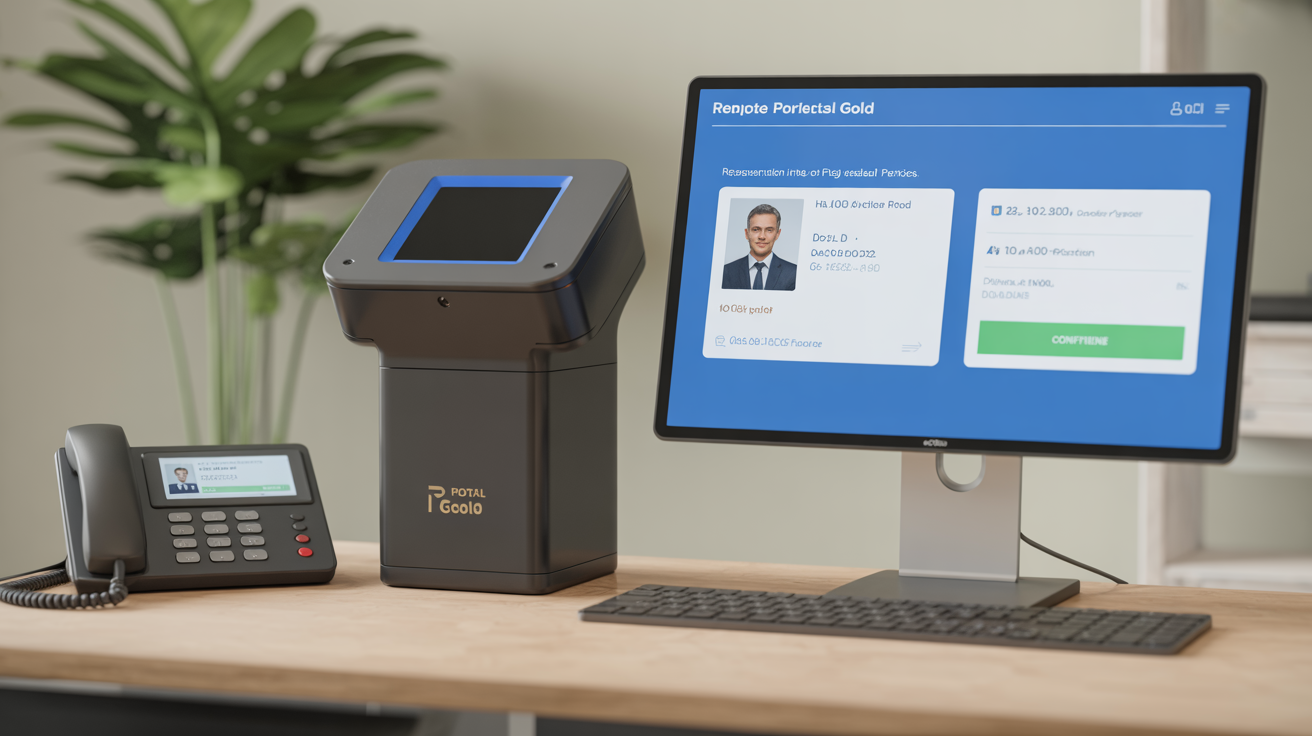
Postal gold services implement remote document verification procedures through digital scanning and telephone confirmation systems. Document quality affects processing speed, with poor scans causing verification delays of 3-5 working days.
High-resolution scans work best for remote verification. Documents must be scanned at 300 DPI minimum with all four corners visible and text clearly readable. Blurry photos from mobile phones get rejected, requiring resubmission and delaying processing.
Certified copies aren’t required for most postal services, but some premium dealers request solicitor-certified documents for high-value transactions over £5,000. Banks and building societies provide free document certification services that speed up verification.
Telephone verification calls confirm your identity and transaction details. Services typically call within 48 hours of receiving your documentation to verify personal details and transaction circumstances. Missing these calls delays processing until successful contact.
Digital identity verification systems cross-reference your details against electoral roll and credit reference databases. Failed verification triggers manual review processes that add 5-7 working days to transaction completion. Success rates improve when your ID address exactly matches your current electoral roll registration.
Processing delays occur in 23% of postal transactions due to documentation issues. Common problems include expired ID, poor scan quality, address mismatches, and missing signatures. Complete documentation packages with high-quality scans process within 24-48 hours.
What Records Should You Keep When Selling Gold?

Gold sellers must maintain transaction record obligations for tax purposes and legal protection. Your documentation proves legitimate sale transactions and supports capital gains tax calculations when required.
• Transaction receipts – Keep all dealer receipts showing sale date, gold weight, purity, and price received for HMRC records
• Valuation documents – Retain insurance valuations, purchase receipts, or professional appraisals that establish original acquisition cost
• Communication records – Save emails, letters, or messages exchanged with dealers regarding your transaction terms and conditions
• Identity verification copies – Keep copies of ID and address documents submitted to dealers in case of future queries
• Bank transfer confirmations – Retain proof of payment received including bank statements showing dealer payments into your account
HMRC requires gold selling records for 6 years following the tax year of sale. Capital gains tax applies to gold sales where profit exceeds the annual exemption limit, currently £6,000 for the 2023-24 tax year. Missing records can result in estimated tax assessments and penalties.
Transaction receipts must show specific details including gold weight in grams, carat fineness, spot price used for calculation, and dealer margins applied. Vague receipts saying “gold items” without detailed breakdowns won’t satisfy HMRC requirements during tax investigations.
Insurance documentation helps establish acquisition cost for capital gains calculations. Original purchase receipts provide the strongest evidence, but insurance valuations can substitute when purchase records are unavailable. Gift valuations require different treatment under inheritance tax rules.
Digital record storage works provided you maintain backup copies. Cloud storage or email archives satisfy HMRC requirements if records remain accessible throughout the retention period. Physical receipts should be photocopied before storage to prevent ink fading.
Frequently Asked Questions
Can I sell gold without ID if it’s under £500?
UK anti-money laundering rules require photo ID for any gold transaction regardless of value. Even transactions under £500 trigger Customer Due Diligence requirements, meaning dealers must verify your identity before completing the sale.
What happens if my proof of address document is too old?
Most UK gold buyers reject proof of address documents older than 3 months under their compliance procedures. You’ll need to provide a recent bank statement, utility bill, or council tax document dated within the acceptable timeframe before they’ll process your sale.
Do I need different documents for inherited gold vs gold I bought myself?
Inherited gold requires the same basic ID and address proof as any gold sale, but many dealers request additional documentation like probate papers or a death certificate. This helps them comply with enhanced due diligence requirements for high-value inherited assets.