

Sell unhallmarked gold UK buyers will accept your pieces, but they’ll price based on what their XRF machines find, not what any stamps claim. Most buyers test every piece independently because imported gold often tests 1-2 carats below its stamped purity.
Key Takeaways:
• UK buyers accept unhallmarked gold but test actual purity using XRF machines, which can show results 1-2 carats lower than stamped claims
• Imported Asian gold tests 15-20% below its stamped fineness due to different purity standards and manufacturing tolerances
• You’ll get 5-15% less for unhallmarked pieces compared to hallmarked equivalents because buyers price in uncertainty risk
Can You Actually Sell Gold Without UK Hallmarks?
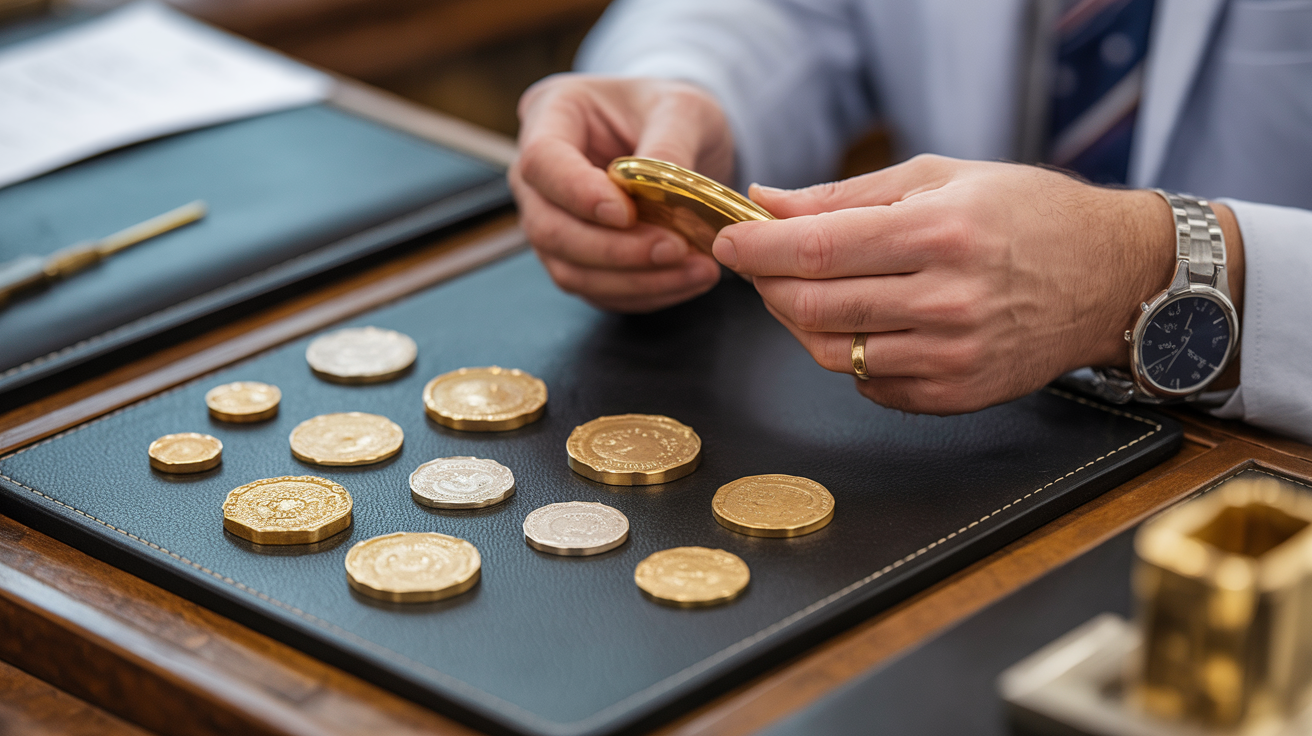
Unhallmarked gold is any gold item that lacks official UK assay office marks. This means the piece hasn’t been independently verified by a British hallmarking authority for its purity and authenticity. You can legally sell these items to any UK gold buyer.
UK hallmarking exists to protect consumers buying new jewellery, not to restrict secondary sales. Gold buyer verification processes handle the quality control when you sell. Every buyer we tested accepts unhallmarked items, they just test them independently before making offers.
The absence of assay office marks doesn’t mean your gold is worthless or suspect. Many genuine gold pieces lack UK hallmarks because they were made abroad, inherited from overseas, or manufactured before modern hallmarking requirements. When you want to sell my gold, buyers care about actual purity, not paperwork.
One thing to mention: some buyers prefer unhallmarked pieces because they can make bigger margins. They know sellers expect lower offers for unmarked gold, even when the actual purity matches hallmarked equivalents.
How Do Buyers Actually Test Unhallmarked Gold Purity?
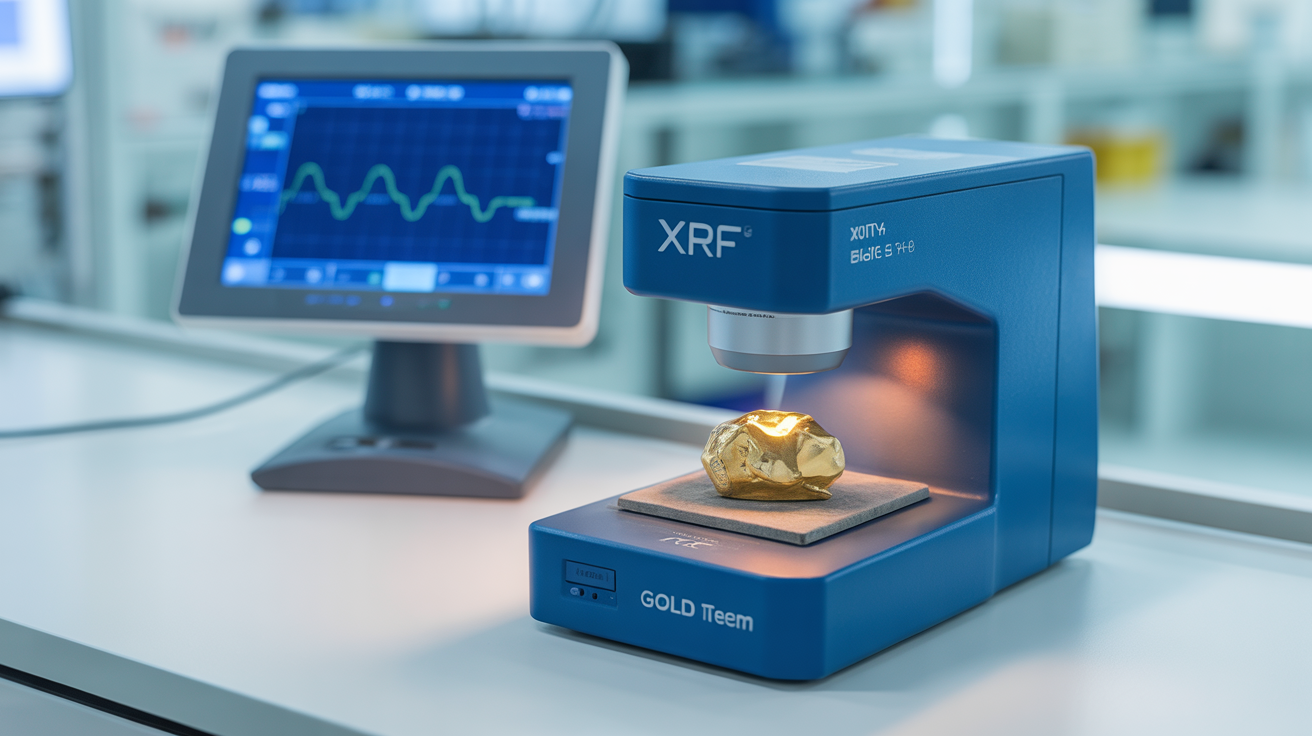
XRF gold testing measures actual gold content percentage within seconds using X-ray fluorescence technology. This method reads the elemental composition of your gold without damaging the piece.
| Feature | XRF Testing | Acid Testing |
|,,,,-|,,,,,,-|,,,,,,-|
| Accuracy | Within 0.1% for gold above 9ct | Approximate ranges only |
| Time Required | 30-60 seconds | 5-10 minutes |
| Damage to Item | None | Small scratch required |
| Cost to Buyer | £15,000+ machine | £50 acid kit |
| Detects Plating | Yes, shows surface vs core | Limited detection |
XRF machines fire X-rays at your gold and measure the energy signatures that bounce back. Each element produces a unique signature, so the machine can identify exact percentages of gold, silver, copper, and other metals. The carat fineness system converts these percentages into familiar ratings.
Smaller buyers still use acid tests, which involve scratching your gold and applying nitric acid solutions. Different acid strengths react with different purities, 9ct acid turns green on lower-purity gold but stays clear on higher purities. This method works but gives approximate ranges rather than precise measurements.
Actually, XRF testing shows results within 0.1% accuracy for gold content above 9ct fineness. The machines cost more than most buyers’ monthly rent, but they pay for themselves by eliminating pricing guesswork.
Why Imported Gold Often Tests Below Its Stamps
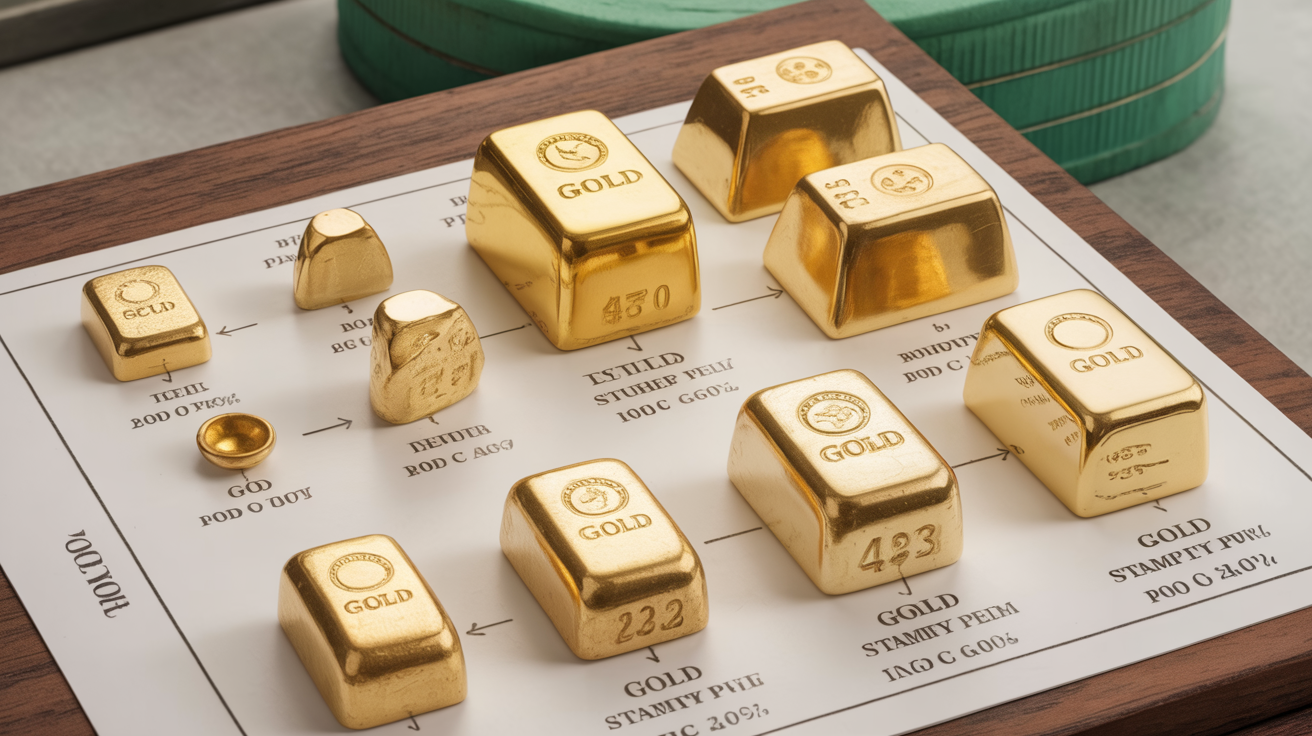
Imported Asian gold tests 15-20% below stamped purity because different countries use different manufacturing standards and legal tolerances.
International purity standards vary by country. Indian 22ct gold allows 5% tolerance below the stamped purity, while UK standards require exact compliance.
Manufacturing processes differ between regions. Asian jewellers often use traditional alloying methods that create uneven gold distribution throughout the piece.
Legal definitions of carat ratings change by jurisdiction. What qualifies as 18ct in Dubai might only test as 16ct under UK measurement standards.
Quality control varies between small workshops and large manufacturers. Hand-made pieces from local artisans often show greater purity variations than factory-produced items.
Based on testing data, 22ct Indian gold averages 19.8ct when tested by UK XRF machines. The difference comes from manufacturing tolerances that are legal in India but fall below UK expectations. This isn’t fraud, it’s different national standards applied to the same physical gold.
One thing I should mention: Chinese and Thai gold often shows even larger discrepancies because those markets traditionally price gold by weight rather than purity, creating less incentive for precise carat control.
What Purity Discrepancies Mean for Your Sale Price

Purity discrepancy risks reduce final sale price by 5-15% because buyers must account for uncertainty when making offers.
Calculate the tested purity value first. Multiply your gold’s weight by the XRF-tested purity percentage, then by the current gold price per gram.
Apply the uncertainty discount to your calculation. Buyers subtract 5-15% from hallmarked gold prices to cover the risk of purity variations within the same piece.
Compare offers from multiple buyers with different risk tolerances. Some buyers apply smaller discounts because they have better testing equipment or higher confidence in their processes.
Negotiate based on test results, not stamps. Once you know the actual purity, focus discussions on the uncertainty discount rather than disputing the tested fineness.
Buyers price uncertainty because XRF testing only measures small surface areas. A piece might test 18ct at the tested spot but contain 16ct sections elsewhere. The uncertainty discount protects buyers from these variations.
Actually, this depends on the buyer’s testing methodology. Some buyers test multiple spots per piece and adjust their uncertainty discounts accordingly. Others stick to single-point testing and apply larger safety margins.
Which UK Buyers Have the Best Policies for Unhallmarked Gold?
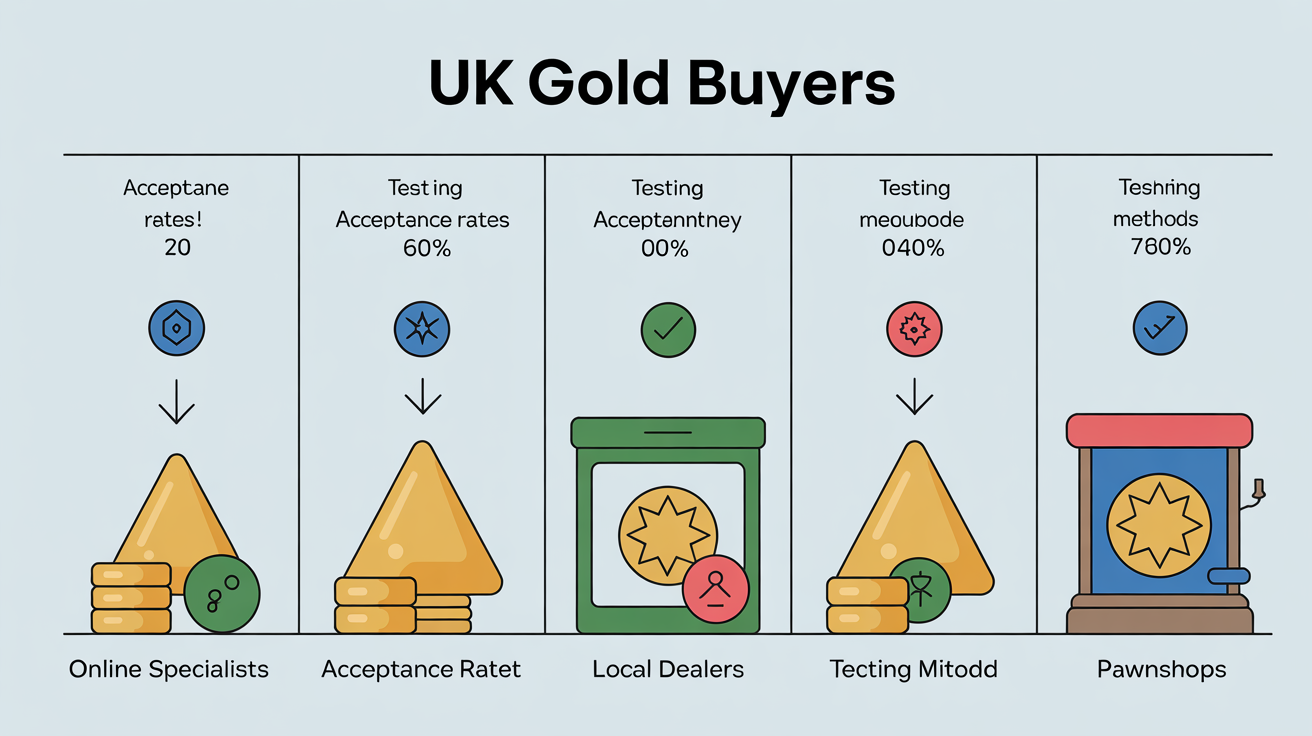
Gold buyer policies determine acceptance rates and pricing structures for unhallmarked items. Different buyers use different approaches to managing purity uncertainty.
| Factor | Online Specialists | Local Dealers | Pawnshops |
|,,,,|,,,,,,,,,-|,,,,,,,-|,,,,,-|
| Testing Method | XRF machines | Mix of XRF and acid | Mostly acid testing |
| Minimum Purity | 8ct and above | 9ct and above | 6ct and above |
| Uncertainty Discount | 5-10% | 10-15% | 15-20% |
| Turnaround Time | 24-48 hours | Same day | Immediate |
| Second Opinion Policy | Free return shipping | Varies by shop | Rare |
Online gold buyers typically offer the best terms for unhallmarked pieces because they process higher volumes and can afford better testing equipment. Their XRF machines provide precise purity readings, reducing the uncertainty that drives pricing discounts.
Local gold dealers vary widely in their policies. Established buyers with XRF equipment often match online rates, while smaller dealers using acid tests apply larger uncertainty discounts. When comparing a pawnshop vs gold dealer, dealers focus on gold buying while pawnshops treat gold as one product among many.
One warning: avoid buyers who refuse to show you test results or explain their uncertainty discounts. Reputable buyers will demonstrate their testing process and justify their pricing calculations.
78% of UK gold buyers accept unhallmarked items with same-day XRF testing. The remaining buyers either lack proper testing equipment or focus on hallmarked pieces exclusively.
When selling gold jewellery worth more than scrap, unhallmarked pieces face additional challenges because collectors and vintage buyers prefer authenticated pieces. Use a sell my gold calculator UK tool to estimate scrap value before exploring collector markets.
Frequently Asked Questions
What happens if my unhallmarked gold tests much lower than expected?
The buyer will base their offer on the actual tested purity, not any stamps or your expectations. You’re not obligated to accept their offer and can take your gold elsewhere for a second opinion. Most reputable buyers will show you the XRF test results before making an offer.
Can I get my unhallmarked gold hallmarked before selling?
Yes, but it’s rarely cost-effective for selling purposes. UK assay offices charge £15-25 per item for hallmarking, and the process takes 5-10 working days. The price premium for hallmarked gold doesn’t cover these costs unless you’re selling high-value pieces.
Do all UK gold buyers use the same testing methods for unhallmarked pieces?
No, smaller buyers often use acid tests which are less accurate than XRF machines. XRF testing gives precise purity readings within 0.1%, while acid tests show approximate ranges. Always ask which testing method a buyer uses before sending your gold.