
How to Sell Gold Jewellery in the UK: A Complete Guide
Sell my gold jewelry today and your grandmother’s gold necklace sitting in a drawer could pay this month’s energy bill. UK gold prices hit record highs in 2024, making jewellery clearouts profitable for the first time in decades.
Key Takeaways:
• Designer pieces can fetch 20-40% above scrap value if you find the right buyer channel
• Cleaning and organizing your items before valuation increases offers by £15-30 per piece on average
• Branded jewellery from Tiffany or Cartier requires specialist dealers — high street gold buyers pay scrap rates only
What Types of Gold Jewellery Accept the Highest Prices?

Designer gold jewellery commands premium prices over scrap value when you target the right buyers. The key lies in understanding which pieces justify the extra effort of finding specialist dealers versus accepting quick scrap rates from high street buyers.
Gold jewellery design value depends on three factors: brand recognition, craftsmanship quality, and aesthetic appeal. A Tiffany & Co. bracelet maintains design value because collectors recognize the maker. Hand-engraved Victorian pieces hold value because modern machines can’t replicate that detail level. Art Deco rings from the 1920s command premiums because the style remains popular.
Jewellery item weight matters less for designer pieces than for scrap gold. A 5-gram Cartier ring often sells for more than a 15-gram generic wedding band because buyers pay for the name. However, weight becomes critical when design value doesn’t exist.
Gemstone-set gold creates complications but can increase values significantly. Diamonds, rubies, sapphires, and emeralds add value if they’re genuine and well-cut. Semi-precious stones like amethyst or garnet rarely justify specialist evaluation unless the setting is exceptional.
| Jewellery Type | Scrap Rate Premium | Design Premium Range | Best Selling Channel |
|---|---|---|---|
| Wedding/Engagement Rings | 0-5% | 10-25% | Specialist dealers |
| Designer Necklaces | 0-10% | 20-40% | Auction houses |
| Gold Chains | 0-5% | 5-15% | High street buyers |
| Vintage Brooches | 5-15% | 25-50% | Antique dealers |
| Gold Watches | 10-20% | 30-60% | Watch specialists |
| Statement Earrings | 0-10% | 15-30% | Online platforms |
The table shows why selling a gold watch through specialist dealers beats high street buyers by 30-60%. Generic chains perform poorly because design rarely matters — weight and purity drive pricing.
Most guides miss this: hallmarks matter more than brand stamps for UK sales. British hallmarks from London, Birmingham, Sheffield, or Edinburgh assay offices prove authenticity. Foreign stamps require additional verification, slowing sales and reducing offers.
How Should I Prepare My Gold Jewellery Before Selling?
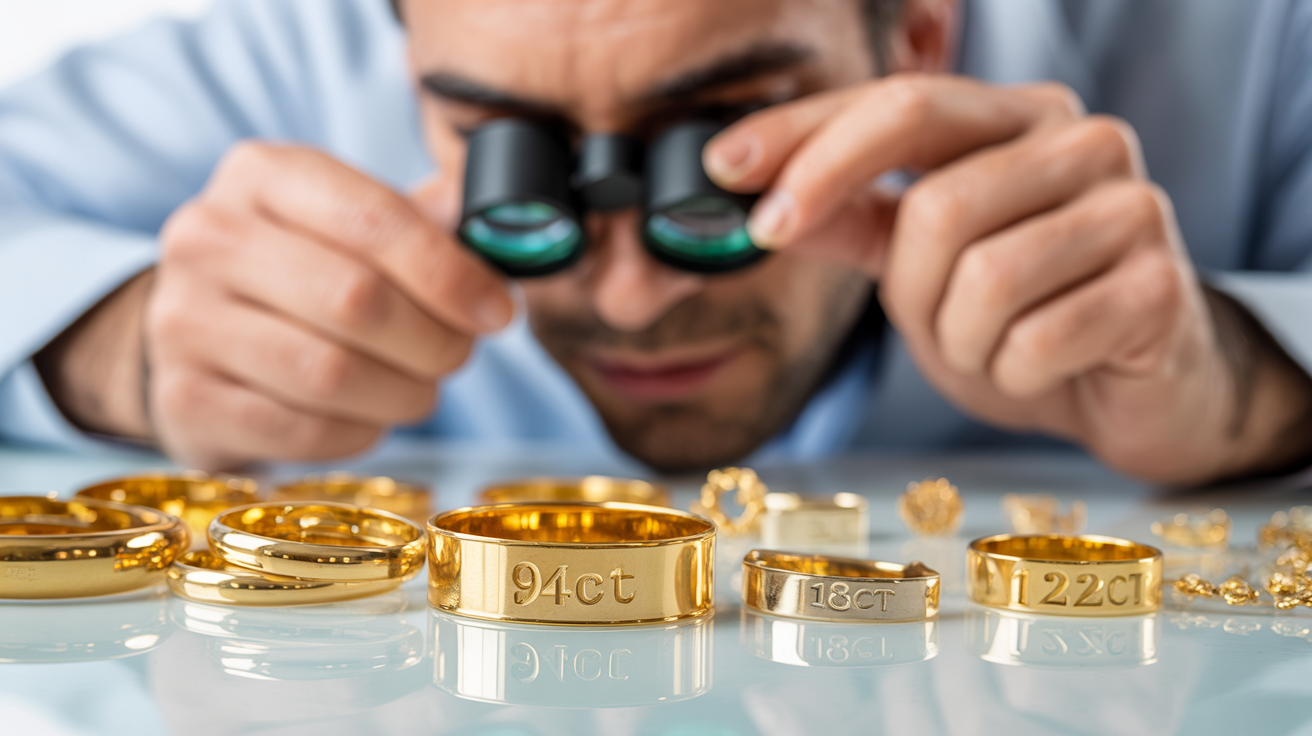
Proper preparation increases final sale price by documenting condition and presenting pieces professionally. Most sellers skip this step and lose money immediately.
Gold purity verification comes first because buyers quote based on karat content. Look for stamps showing 9ct, 14ct, 18ct, or 22ct markings. European pieces show 375, 585, 750, or 916 numbers representing gold percentage. Clean the stamp areas gently with a soft brush — dirt obscures markings and raises buyer suspicion.
Clean each piece using warm soapy water and a soft toothbrush. Avoid harsh chemicals that damage gold or loosen stones. Ultrasonic cleaners work well for solid gold pieces without gemstones.
Separate items by karat marking and stone content. Group 9ct pieces together, 18ct pieces together, and so on. Keep gemstone-set pieces separate from plain gold.
Weigh items using a digital scale accurate to 0.1 grams. Record weights by karat group. Jewellery item weight determines baseline scrap value calculations.
Photograph each piece from multiple angles using good lighting. Include close-ups of hallmarks, damage, and any maker’s marks. Photos protect you during disputes and help with insurance claims.
Gather original purchase receipts, certificates, or appraisals if available. Documentation proves authenticity and purchase price for valuable pieces, especially those with gemstones.
Test magnets on each piece to identify gold-plated items accidentally. Real gold doesn’t stick to magnets. Gold-plated pieces have little scrap value but some antique value if well-crafted.
Gemstone-set gold requires extra care during cleaning. Pearls, opals, and emeralds can crack with temperature changes. Avoid soaking these pieces — use damp cloths instead.
The cleaning step alone adds £15-30 per piece to final offers because buyers see you’ve maintained the jewellery properly. Dirty pieces suggest neglect and storage damage.
When Does Design Value Beat Scrap Gold Pricing?

Design value is the premium buyers pay above raw gold content for aesthetic, historical, or brand significance. This means a 10-gram designer piece can sell for more than a 20-gram generic piece of the same karat rating.
Age creates design value through scarcity and style recognition. Pre-1960s pieces often qualify as vintage, while pre-1940s items reach antique status. Art Deco pieces from 1920-1940 command consistent premiums because the geometric designs remain popular. Victorian pieces (1837-1901) attract collectors if craftsmanship quality exceeds modern production standards.
Brand recognition drives design value more than age in many cases. Tiffany & Co., Cartier, Bulgari, and Van Cleef & Arpels maintain strong resale markets. British makers like Garrard, Asprey, and Mappin & Webb command regional premiums. Even discontinued lines from these makers often sell above scrap rates.
Antique gold jewellery retains design value beyond raw gold content when three conditions exist: recognizable style period, superior craftsmanship, and good condition. Hand-engraved details, intricate filigree work, and complex settings indicate artisan creation rather than mass production.
Craftsmanship indicators that signal premium pricing include hand-finished surfaces, precise stone settings, and complex mechanical elements in watches or brooches. Machine-made pieces show uniform texture and simplified designs. Hand-made pieces have subtle irregularities that prove human creation.
Scrap gold valuation applies when design elements don’t justify the research and marketing time required for premium sales. Modern wedding bands, simple chains, and damaged pieces usually sell at scrap rates regardless of original purchase price.
Pursuit of specialist dealers makes sense when pieces exceed these thresholds: pre-1960s age, recognized maker marks, unusual design elements, or excellent condition despite age. Regular gold buyers focus on weight and purity calculations — they lack expertise to evaluate design premiums.
Gold purity affects design value differently than scrap value. Lower karat pieces (9ct, 10ct) can still command design premiums if other factors justify specialist evaluation. Higher karat pieces (18ct, 22ct) start with better base values but don’t automatically qualify for design premiums.
The UK market particularly values hallmarked pieces from recognized assay offices. Foreign pieces without UK hallmarks face additional authentication steps that reduce design premiums even when quality justifies higher pricing.
Which Gold Buying Channels Work Best for Different Jewellery Types?

Specialist jewellery dealers offer higher prices for designer pieces than high street buyers because they understand resale markets and have customer bases willing to pay design premiums.
High street gold buyers like H&T Pawnbrokers and The Money Shop focus on quick transactions and scrap value calculations. They excel for generic jewellery, broken pieces, and sellers prioritizing speed over maximum return. Processing takes 15-30 minutes with immediate cash payment.
Specialist dealers require more time but pay premiums for quality pieces. Antique dealers understand period styles and craftsmanship indicators. Watch specialists recognize movement quality and brand significance. Designer jewellery dealers know current resale values for luxury brands.
Online platforms like eBay and specialist sites reach broader markets but require seller effort and time. You handle photography, descriptions, and shipping. Successful sales can exceed dealer offers by 20-30% but failed auctions waste weeks.
Auction houses suit high-value pieces with strong provenance or exceptional quality. Fees typically run 10-25% of hammer price, but rare pieces can achieve multiples of scrap value. Minimum value thresholds usually start around £500.
| Selling Channel | Price as % of Scrap | Processing Time | Payment Method | Best For |
|---|---|---|---|---|
| High Street Buyers | 85-95% | Same day | Cash/Bank transfer | Generic jewellery, quick sales |
| Specialist Dealers | 100-150% | 2-7 days | Bank transfer/Cheque | Designer/antique pieces |
| Online Auctions | 90-200% | 7-21 days | PayPal/Bank transfer | Popular brands, unique items |
| Auction Houses | 120-300% | 30-90 days | Bank transfer | High-value, rare pieces |
| Postal Services | 80-90% | 10-14 days | Bank transfer/Cheque | Bulk lots, convenience |
The table shows auction houses achieve the highest prices but require the longest processing times. High street buyers offer the worst prices but provide immediate payment.
Gold buyer verification becomes critical when dealing with specialist dealers and auction houses. Higher prices attract more fraud, so these channels have stricter authentication requirements.
Most guides miss this distinction: selling a gold ring through specialist dealers works when the design justifies their time investment. Selling gold earrings often suits online platforms because pairs command premiums over individual pieces. Selling a gold chain rarely benefits from specialist evaluation unless it’s exceptionally heavy or from a recognized maker.
Matching jewellery types to channels maximizes returns while minimizing effort. A gold bracelet from a known maker deserves specialist evaluation, while a simple gold chain of modern manufacture performs adequately through high street buyers.
How Do I Verify Gold Buyers Are Legitimate Before Selling?

Licensed gold buyers display official registration numbers and insurance certificates because UK law requires specific permissions for precious metal dealing. Verification prevents fraud and ensures you can recover items if disputes arise.
Scrap gold valuation requires accurate testing equipment and fair pricing scales. Legitimate buyers use electronic gold testers, acid testing kits, and certified scales. They explain testing procedures and show you the results rather than working behind closed doors.
• Check for Precious Metal Dealer registration with local council licensing departments. All UK gold buyers must register with their local authority and display license numbers prominently in shops and on websites.
• Verify insurance coverage through direct contact with their insurance provider. Legitimate dealers carry public liability insurance and professional indemnity coverage protecting your items during evaluation and storage.
• Read recent reviews on Google, Trustpilot, and Trading Standards websites focusing on complaint resolution patterns. Look for how they handle disputes rather than just star ratings.
• Request multiple quotes and compare testing procedures between different buyers. Legitimate dealers use similar testing methods and quote similar base prices before applying their margins.
• Confirm cooling-off periods and return policies in writing before completing any transaction. UK distance selling regulations provide 14-day cooling-off periods for postal gold buying services.
Gold buyer verification includes checking membership in trade associations like the British Jewellers’ Association or National Association of Goldsmiths. These organizations require members to follow ethical guidelines and provide dispute resolution services.
Red flags include: pressure to sell immediately, testing procedures you can’t observe, quotes significantly above market rates (too good to be true), requests for large batches before individual evaluation, and reluctance to provide written documentation.
The most reliable verification combines online research with in-person visits. Meet buyers face-to-face when possible, observe their testing procedures, and confirm their business premises match their advertising claims.
What Documentation Do I Need When Selling Gold Jewellery?

Photo identification enables legal gold transactions in UK because anti-money laundering regulations require buyer verification of seller identity. This applies to all gold sales above £500 and many buyers apply the requirement universally.
Legal requirements for gold sales include identity verification, transaction recording, and suspicious activity reporting by buyers. The Proceeds of Crime Act 2002 requires gold buyers to maintain detailed records and report unusual transactions.
Bring current photo ID such as driving license or passport showing your current address. Buyers must verify your identity and residence to comply with money laundering regulations.
Provide proof of address dated within three months if your ID shows an old address. Utility bills, bank statements, or council tax documents work for address verification.
Collect written receipts showing item descriptions, weights, purity assessments, and agreed prices. Keep these records for tax purposes and potential insurance claims.
Retain purchase receipts or certificates for valuable pieces to prove ownership if questioned later. This becomes important for insurance claims or if items were gifts with unclear provenance.
Jewellery item weight documentation protects both parties by recording exact measurements used for pricing calculations. Buyers should weigh items in front of you using certified scales and record the weights on receipts.
Buyers must provide you with detailed receipts showing business name, address, license numbers, item descriptions, test results, weights, and final prices paid. They should also explain cooling-off periods and return policies where applicable.
Record retention requirements vary by transaction value and buyer type. Keep receipts for at least seven years for tax purposes, especially if you’re selling inherited items or large collections that might trigger capital gains considerations.
The documentation process takes 10-15 minutes for straightforward transactions but can extend to 30-45 minutes when multiple items require individual assessment and recording.