
When you sell my lab grown diamond today, you face a brutal market reality. Lab-grown diamonds have lost 70% of their retail value since 2020, creating resale challenges that catch most sellers unprepared.
Key Takeaways:
• Lab-grown diamond resale values average 10-25% of original retail price, compared to 30-60% for natural diamonds
• Most UK jewellers and traditional diamond buyers refuse to purchase lab-grown diamonds entirely
• Diamond certification from GIA or IGI remains essential despite poor resale prospects
What Happened to Lab-Grown Diamond Prices Since 2020?
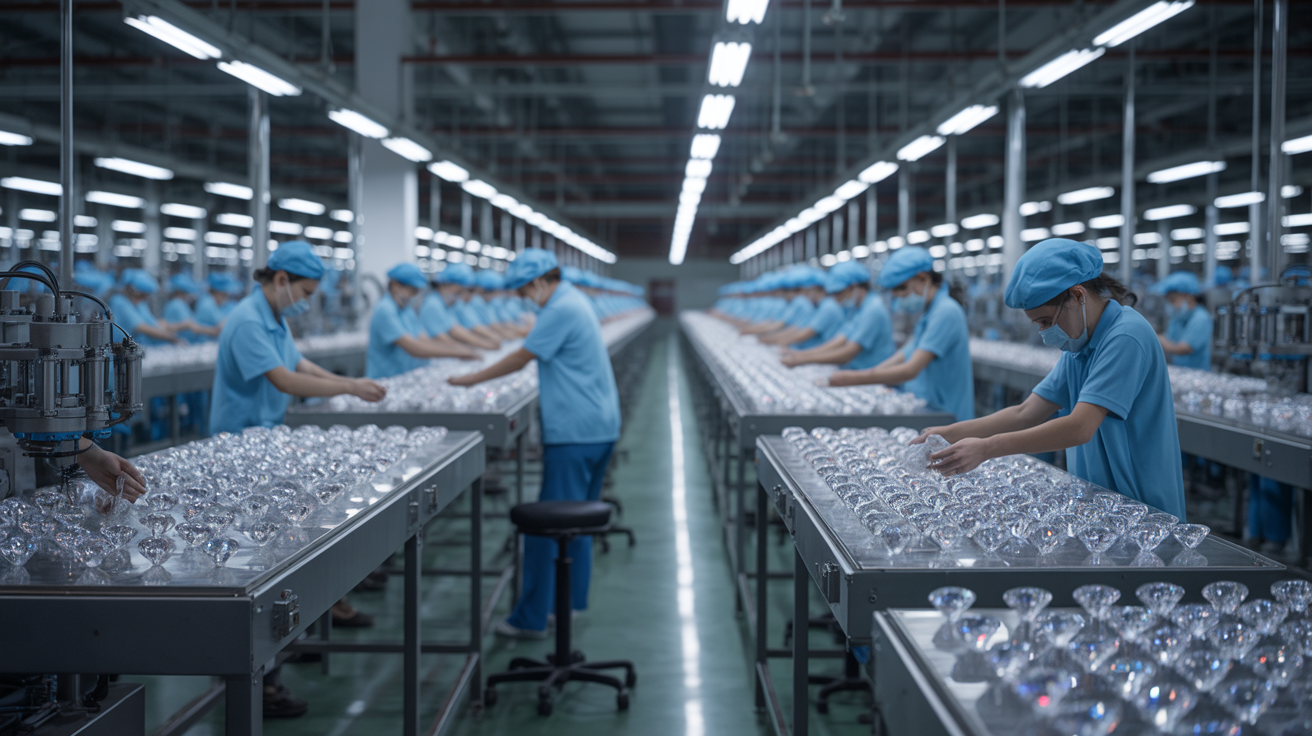
Lab-grown diamond production increased dramatically since 2020. This massive supply surge crashed wholesale prices by 70% between 2020 and 2024.
The production boom happened because manufacturing became cheaper and faster. Chinese and Indian facilities ramped up capacity. New players entered the market. What took weeks now takes days.
This means your lab diamond bought in 2019 faces competition from identical stones selling at wholesale for a fraction of what you paid. The diamond resale market reflects this reality. Your stone competes against fresh inventory selling for 30% of 2020 prices.
The crash hit all sizes. One-carat lab diamonds that wholesaled for £800 in 2020 now trade for £240. Two-carat stones dropped from £2,400 to £720. Three-carat diamonds fell from £5,400 to £1,620.
Natural diamonds held their value because geological scarcity limits supply. Lab diamonds face no such constraint. Production capacity grows every quarter. Prices follow supply curves, not marketing campaigns.
This production surge continues. New facilities come online monthly. Each one adds downward pressure on wholesale prices. Your resale value shrinks as production expands.
Can You Actually Sell Lab-Grown Diamonds in the UK?
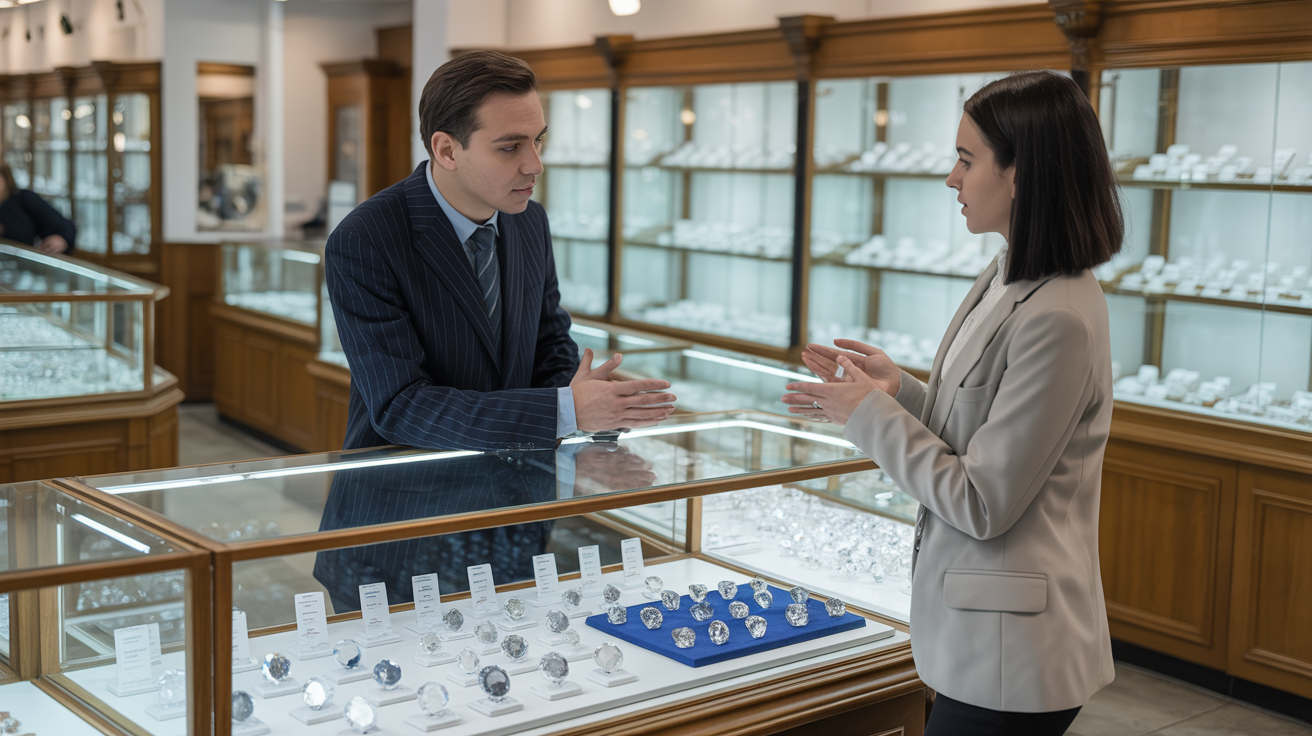
UK diamond buyers accept or reject lab-grown diamonds based on their business model and customer base. Most traditional buyers refuse them entirely.
| Buyer Type | Acceptance Rate | Typical Offer | Requirements |
|,,,,,,|,,,,,,,,|,,,,,,,-|,,,,,,-|
| High street jewellers | 5% | Not applicable | Certificate essential |
| Independent jewellers | 25% | 15-20% retail | GIA/IGI only |
| Online diamond buyers | 60% | 10-25% retail | Any certificate |
| Auction houses | 10% | Market dependent | Major stones only |
| Peer-to-peer platforms | 90% | Variable | Description accuracy |
Traditional jewellers avoid lab diamonds because they can’t predict future values. One Birmingham dealer explained: “I won’t buy something that might be worth half as much next month.”
Online platforms accept lab diamonds because they move inventory quickly. They price stones at current wholesale rates, not retail expectations. The secondary diamond market for lab stones exists primarily online.
Specialist lab diamond dealers emerged recently. They understand the market dynamics and price accordingly. These buyers often pay more than generalist dealers because they know the wholesale channels.
Consignment services rarely accept lab diamonds. The slow sales cycle means stones sit for months while prices continue falling. Commission structures don’t work when inventory depreciates faster than it sells.
The acceptance gap creates selling challenges. Your local options may be zero. Online becomes the primary channel, with all the shipping risks that entails.
What Percentage of Retail Price Should You Expect?
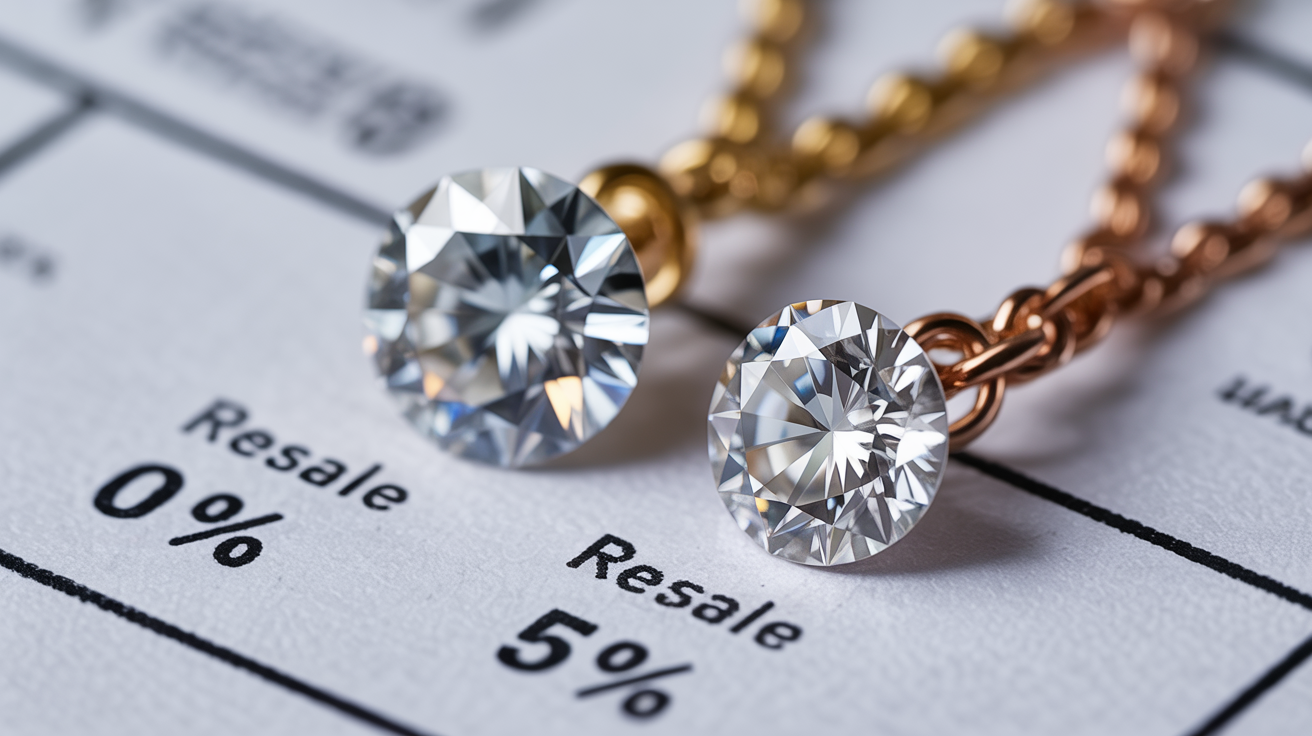
Lab-grown diamond resale pays significantly less than natural diamond resale. The percentage drops as production costs continue falling.
| Diamond Type | Resale Percentage | 1ct Example | 2ct Example |
|,,,,,,-|,,,,,,,,,|,,,,,,-|,,,,,,-|
| Natural certified | 30-60% | £1,200-£2,400 | £4,500-£9,000 |
| Lab-grown certified | 10-25% | £300-£750 | £800-£2,000 |
| Lab-grown uncertified | 5-15% | £150-£450 | £400-£1,200 |
| Poor quality either | 2-10% | £60-£300 | £160-£800 |
These percentages assume retail purchase prices from 2020-2022. Recent purchases face even lower resale ratios because retail prices haven’t caught up with wholesale crashes.
Natural diamond scarcity supports higher resale percentages. Each natural stone required millions of years to form. Lab diamonds grow in weeks. Supply fundamentals drive the price gap.
Carat size affects percentages differently for each type. Large natural diamonds command premium resale rates because big rough stones are rare. Large lab diamonds cost only marginally more to grow than small ones.
Cut quality matters more for natural stones. Buyers pay premiums for excellent cuts because they’re harder to achieve. Lab diamonds can be re-grown if the first attempt fails, reducing cut premiums.
Colour and clarity grades impact both types similarly. But natural diamonds with rare colours (pink, yellow, blue) hold value better than lab versions because geological rarity can’t be replicated.
Market timing affects lab diamonds more severely. Natural stone prices move slowly. Lab diamond prices follow technology curves and production capacity.
Does Your Lab Diamond Certificate Actually Matter for Resale?
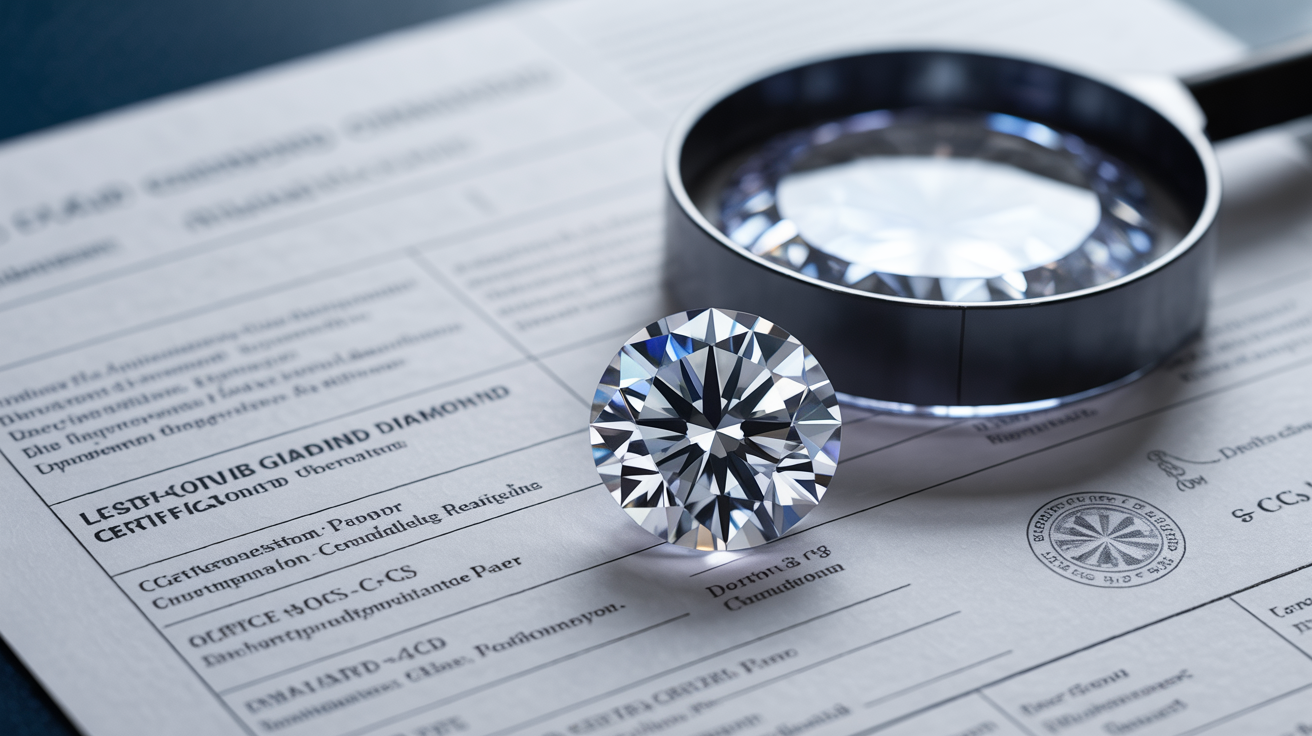
Diamond certification affects resale value even for lab-grown diamonds. Buyers trust independent grading reports over seller descriptions.
GIA-certified lab diamonds sell for 15-20% more than uncertified stones. The premium reflects buyer confidence in accurate grading. GIA reports include detailed 4Cs analysis and laser inscriptions for verification.
IGI certificates command similar premiums in the UK market. European buyers recognise IGI grading standards. The reports include growth method identification and detailed measurements.
Gemological certifications from lesser-known labs add minimal value. Buyers question grade accuracy from labs they don’t recognise. Unknown certificates often get ignored entirely.
The diamond 4Cs grading system works identically for lab and natural stones. Cut, colour, clarity, and carat weight determine quality grades. Certification proves these grades through independent testing.
Uncertified lab diamonds face steep discounts because buyers can’t verify quality claims. They assume worst-case scenarios when grading reports are missing. Risk premiums compound the already-low base prices.
Certificate age matters. Recent reports carry more weight than old ones. Diamond grading standards evolve. Labs update their processes. Fresh certificates command higher confidence.
Fake certificates exist in the market. Buyers verify authenticity through lab websites before making offers. Invalid certificates destroy any premium value.
Where Can You Actually Sell Your Lab-Grown Diamond?
Limited secondary market restricts selling options for lab-grown diamonds. Most traditional channels refuse them entirely.
Online diamond marketplaces accept lab stones and pay 15-25% of retail value. They move inventory quickly through wholesale channels. Verification requirements include certificates and detailed photos.
Specialist lab diamond dealers emerged recently and often pay the highest percentages. They understand market dynamics and have established wholesale relationships. Most operate online only.
Peer-to-peer platforms like Facebook groups and eBay allow direct sales to consumers. Expect 20-40% of retail if you find the right buyer. Success depends on timing and presentation quality.
Auction houses accept significant lab diamonds (2+ carats, premium grades) for specialist sales. They charge 10-25% commission but reach serious collectors. Minimum values apply.
Cash-for-diamonds services that advertise “we buy any diamond” typically accept lab stones. They pay 10-15% of retail value. The process is fast but returns are low.
Independent jewellers in major cities sometimes buy lab diamonds for custom work. They pay based on immediate use rather than resale value. Relationships matter for getting fair offers.
Scrap dealers buy lab diamonds at minimal prices when the setting contains precious metals. The stone adds little value. Focus shifts to gold or platinum recovery.
Each channel has different requirements. Online platforms need detailed specifications and high-resolution photos. Physical buyers want to examine stones personally. Timing affects all channels as prices continue declining.
Consignment rarely works for lab diamonds because sales cycles exceed price stability periods. Your stone loses value while waiting for buyers.
Frequently Asked Questions
Do lab grown diamonds have any resale value?
Lab-grown diamonds retain 10-25% of their original retail price when sold. This is significantly lower than natural diamonds, which typically resell for 30-60% of retail value. The limited secondary market and ongoing price declines make lab diamonds poor investments.
Why won’t most jewellers buy my lab grown diamond?
Traditional jewellers avoid lab-grown diamonds because of rapid price declines and limited resale demand. Most focus on natural diamonds where they can predict values and find buyers more easily. Only specialist online platforms and newer dealers typically accept lab-grown stones.
Should I remove my lab diamond from its setting before selling?
Yes, if your setting contains valuable precious metal. Lab-grown diamonds add minimal value to gold or platinum settings, so selling the metal separately to gold buyers often yields more than selling the complete piece. Get quotes for both options to compare.