
How much is my diamond worth becomes the critical question when your £5,000 engagement ring attracts offers of just £800-1,200 from UK buyers.
Key Takeaways:
- Diamond resale value is typically 20-40% of original retail price, not the 50-70% many sellers expect
- GIA-certified diamonds sell for 15-25% more than uncertified stones of identical specifications
- RapNet wholesale pricing shows 1-carat diamonds trading 60-80% below high street retail prices
Why Is Diamond Resale Value So Much Lower Than Retail?
The retail to resale gap is the difference between what you paid and what buyers will offer. This means your diamond lost 60-80% of its purchase price the moment you left the shop.
Retail markup creates this resale gap because jewellers operate on margins of 100-300% above wholesale cost. When Hatton Garden charges £4,000 for a diamond that costs them £1,200 wholesale, they need those margins to cover rent, staff, marketing, and profit. The resale market functions differently. Buyers purchase diamonds to sell back into wholesale channels, not to individual consumers wearing them for decades.
Second-hand diamond buyers can afford to pay so little because they face real costs. They must verify authenticity, grade quality, find wholesale buyers, and turn inventory quickly. Unlike retail jewellers who sell dreams and lifetime commitments, diamond buyers trade commodities measured against current wholesale pricing.
Typical retail markup on diamonds is 100-300% above wholesale cost. This explains why your £3,000 engagement ring contains perhaps £800-1,000 worth of diamond at wholesale prices. UK buyers offering £600-900 are working from that wholesale baseline, not your retail receipt.
What Percentage of Retail Price Should You Actually Expect?
| Diamond Category | Typical Payout Range | Certification Impact |
|,,,,,,,,,|,,,,,,,,,,-|,,,,,,,,,,-|
| Certified 1ct+ | 25-40% of retail | GIA adds 15-25% premium |
| Uncertified 1ct+ | 20-30% of retail | No verification discount |
| Certified under 1ct | 20-35% of retail | Smaller premium boost |
| Uncertified under 1ct | 15-25% of retail | Hardest to sell category |
| Damaged/chipped | 10-20% of retail | Condition heavily penalised |
Diamond condition determines payout percentage more than most sellers realise. A flawless 1-carat stone with GIA certification might fetch 35-40% of retail value. The same diamond with visible chips or scratches drops to 15-25% because buyers must account for repolishing costs or selling into lower-grade markets.
UK diamond buyers typically offer 20-40% of original retail value depending on certification and condition. Online postal services tend toward the lower end (20-30%) while specialist diamond dealers in London or Birmingham may reach 35-40% for exceptional stones. High street jewellers buying back their own stock rarely exceed 25% because they must resell through expensive retail channels.
Size matters less than quality documentation. A well-certified 0.5-carat diamond often outperforms a larger uncertified stone because buyers can verify specifications and access wholesale pricing data. Without certification, buyers price in uncertainty and offer accordingly.
How Do Professional Diamond Appraisals Compare to Market Reality?
| Appraisal Type | Purpose | Typical Value vs Market |
|,,,,,,,,|,,,,-|,,,,,,,,,,,,|
| Insurance replacement | Cover theft/loss | 150-200% above market |
| Retail appraisal | Sale/divorce | 100-150% above market |
| Wholesale evaluation | Trade pricing | Matches actual offers |
| Estate appraisal | Probate/inheritance | 80-120% of market |
Insurance appraisal overestimates market value because it covers replacement cost through retail channels, not resale value. This means insurers value your diamond at what you’d pay to buy an identical stone from Hatton Garden today, not what buyers will offer for your existing stone.
Professional appraisals serve different purposes than sale preparation. Insurance valuations protect against total loss by covering full retail replacement. Divorce appraisals often inflate values to support asset division arguments. Estate appraisals for probate may use retail pricing because HMRC accepts this for inheritance tax calculations.
Insurance appraisals typically value diamonds at 150-200% of current retail replacement cost. A diamond buyer might offer £1,500 for a stone appraised at £4,500 for insurance purposes. Neither figure is wrong, they serve different purposes. The insurance value protects you if the diamond is stolen. The buyer’s offer reflects what that diamond is actually worth in today’s wholesale market.
Wholesale evaluations match actual market offers because they use the same pricing sources (RapNet, IDEX) that professional buyers consult. These services track real transaction prices between dealers, not theoretical retail values.
What Role Does Diamond Certification Play in Resale Value?
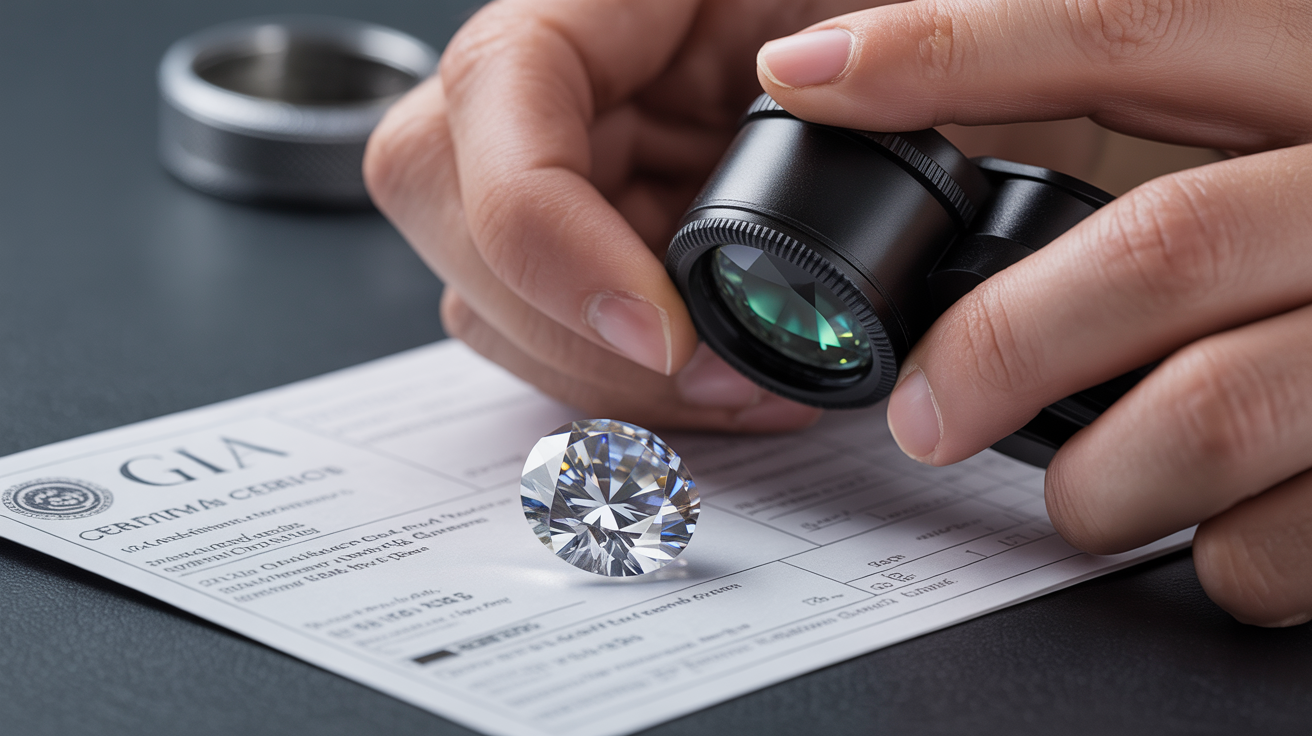
GIA certification increases buyer confidence by providing independent verification of diamond quality and specifications. Here’s how different certifications impact UK resale prices:
• GIA (Gemological Institute of America): Adds 15-25% premium over uncertified stones. UK buyers trust GIA grading and can verify stones against RapNet wholesale pricing using GIA report numbers.
• EGL (European Gemological Laboratory): Adds 5-10% premium but some buyers discount EGL certificates due to inconsistent grading standards between different EGL offices worldwide.
• AGS (American Gem Society): Adds 10-15% premium. Well-respected certification but less common in UK market than GIA, so fewer buyers have extensive experience with AGS reports.
• Gübelin/SSEF: Premium certifications for exceptional stones. Can add 20-30% for rare or unusual diamonds, particularly coloured stones or stones with historical significance.
• High street certificates: Add minimal value (0-5%). Certificates from retail jewellers or lesser-known labs carry little weight with professional buyers because they can’t be independently verified.
GIA-certified diamonds sell for 15-25% more than identical uncertified stones in the UK resale market. This premium exists because buyers can verify specifications, access wholesale pricing data, and sell stones into international markets where GIA certification is standard.
Uncertified diamonds face significant discounts because buyers must assume worst-case scenarios for clarity, colour, and cut quality. Without independent verification, they price in uncertainty and potential regrading costs.
How Much Is a 1 Carat Diamond Actually Worth on Resale?
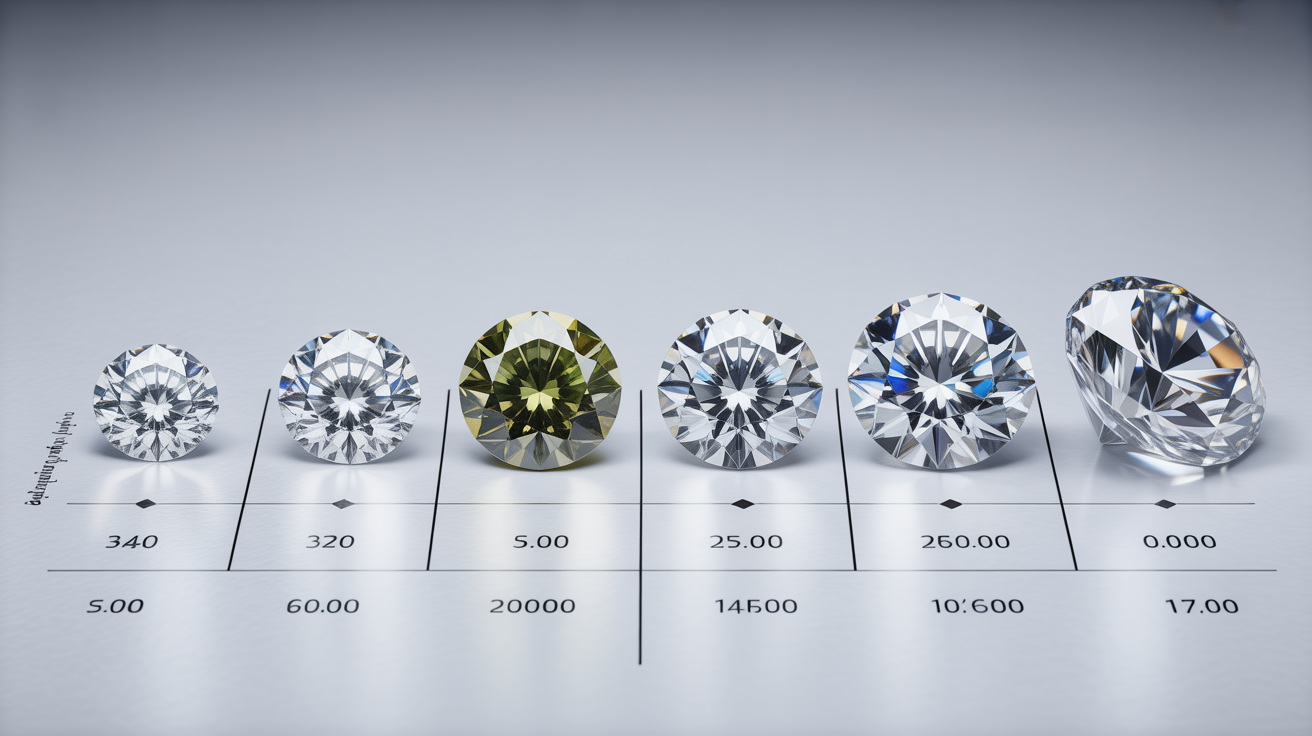
| Quality Grade | RapNet Wholesale | UK Buyer Offer | Retail Comparison |
|,,,,,,,-|,,,,,,,,,|,,,,,,,,|,,,,,,,,,-|
| D/FL (perfect) | £8,500-9,200 | £3,400-3,700 | £15,000-18,000 retail |
| G/VS2 (excellent) | £2,800-3,200 | £1,200-1,400 | £6,000-8,000 retail |
| J/SI1 (good) | £1,800-2,100 | £800-900 | £4,000-5,500 retail |
| M/SI2 (commercial) | £900-1,200 | £400-500 | £2,500-3,500 retail |
Carat weight influences resale price but quality grades matter more than size alone. A 1-carat diamond with poor clarity and colour might sell for less than a well-graded 0.8-carat stone because larger diamonds with obvious flaws are harder to place in the wholesale market.
1-carat diamonds with G colour, VS2 clarity trade at £2,800-3,200 wholesale on RapNet, meaning UK buyers offer £1,200-1,800 to sellers. The wide range reflects certification status, exact specifications within each grade, and individual buyer margins. Online services typically offer toward the lower end while specialist dealers may reach the higher range for exceptional stones.
RapNet wholesale pricing provides the baseline for all professional diamond trading. When RapNet shows £3,000 wholesale for a specific diamond grade, UK buyers offering £1,200-1,500 are working from realistic margins. They need room for verification costs, holding inventory, and profit margins when reselling into wholesale channels.
Cut quality significantly impacts these figures even within the same carat and clarity grades. Excellent cut diamonds command premiums while poorly cut stones face discounts of 20-30% below standard pricing.
Frequently Asked Questions
How much can I sell my diamond for if I don’t have the original receipt?
Without a receipt, buyers will base offers purely on the diamond’s current specifications and certification. This typically means 20-30% of current retail value rather than your original purchase price. Professional diamond certification becomes essential for proving quality and maximising your offer.
Do diamond engagement rings sell for more than loose stones?
Engagement rings often sell for less per carat than loose stones because buyers must account for setting removal costs. The gold setting adds some value, but most UK buyers focus on diamond content. Vintage or designer settings occasionally add premium, but this is rare.
Why do retail stores offer so little when buying back diamonds?
High street jewellers operate on retail margins and must resell through their shop network, limiting what they can pay. They typically offer 15-25% of retail value. Specialist diamond buyers and online services often pay 25-40% because they have lower overhead costs and direct wholesale channels.